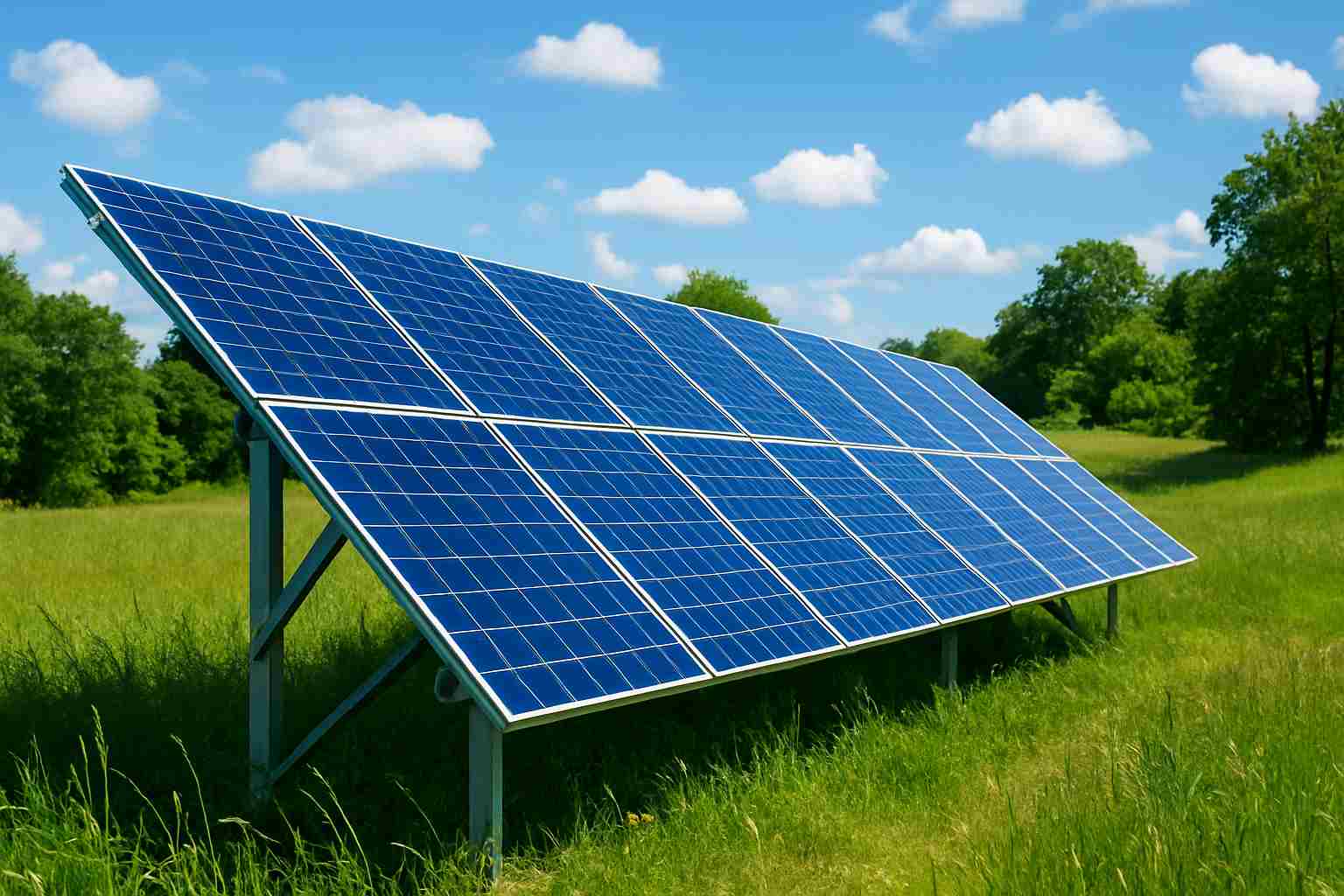
As solar technology continues to evolve, homeowners are increasingly exploring advanced panel options beyond traditional photovoltaic panels. One of the most talked-about innovations is bifacial solar panels.
Unlike standard solar panels, bifacial panels can generate electricity from both sides, potentially increasing total solar energy generation. This raises an important question: are bifacial solar panels worth it for residential solar systems?
Understanding how bifacial panels work and when they provide real benefits can help homeowners make smarter decisions when choosing solar panels for home installations.
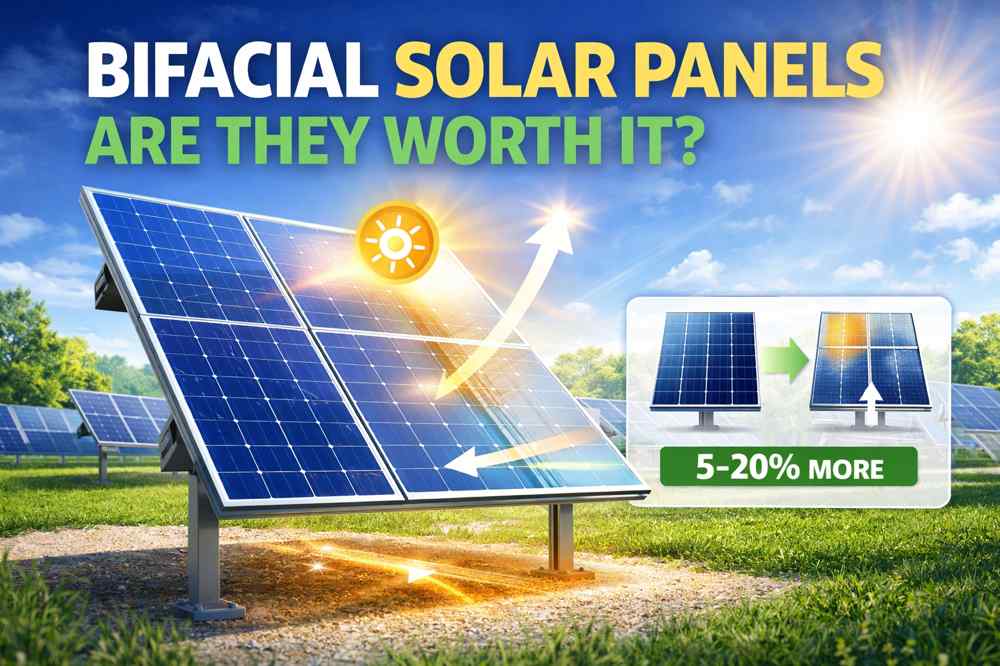
Bifacial solar panels are designed to capture sunlight from both the front and the back of the panel.
Traditional solar panels only absorb sunlight on the front side. Bifacial panels, however, use transparent backing or dual-glass construction, allowing reflected sunlight to reach the rear side.
This additional energy is known as rear-side gain.
Bifacial panels generate electricity in two ways:
• Direct sunlight hitting the front side
• Reflected sunlight (albedo) hitting the back side
Surfaces that improve performance include:
• light-colored roofs
• concrete
• sand
• snow
The more reflective the surface, the higher the energy gain.
Bifacial panels can produce 5% to 20% more energy compared to traditional panels.
Typical scenarios:
| Installation Type | Additional Output |
|---|---|
| Residential rooftop | 5–10% |
| Flat roof with reflection | 10–15% |
| Ground-mounted systems | 15–20% |
Actual performance depends heavily on installation conditions.
| Feature | Bifacial Panels | Standard Panels |
|---|---|---|
| Energy generation | Higher | Standard |
| Cost | Slightly higher | Lower |
| Installation complexity | Higher | Lower |
| Best use case | Reflective surfaces | All roofs |
Bifacial panels offer higher output but require proper installation to deliver full benefits.
Bifacial panels are most effective when:
• panels are elevated from the surface
• there is strong light reflection
• shading is minimal
• space allows optimal positioning
They are particularly beneficial for:
• ground-mounted systems
• flat roofs
• commercial installations
Bifacial panels may not provide significant benefits when:
• installed flush on dark roofs
• there is little reflected sunlight
• roof space is limited
In these cases, high-efficiency monocrystalline panels may be the better option.
Most bifacial panels use advanced technologies such as:
• monocrystalline cells
• N-type solar cells
• TOPCon technology
These features contribute to higher efficiency and lower degradation rates.
For a broader understanding of panel types, read our guide on solar panels explained.
Because bifacial panels produce more energy, you may need fewer panels.
However, system design is still critical.
To calculate your system size, read our guide on how to calculate how many solar panels you need.
Consider two systems:
Standard system:
• 16 panels (440W)
• total output: ~7 kW
Bifacial system:
• same number of panels
• additional 10% energy gain
This results in higher annual energy production without increasing system size.
Bifacial panels can be used in DIY solar systems, but proper installation is essential.
DIY systems typically include:
• solar panels
• inverter systems
• mounting hardware
• solar battery (optional)
Preconfigured solar kits simplify the process.
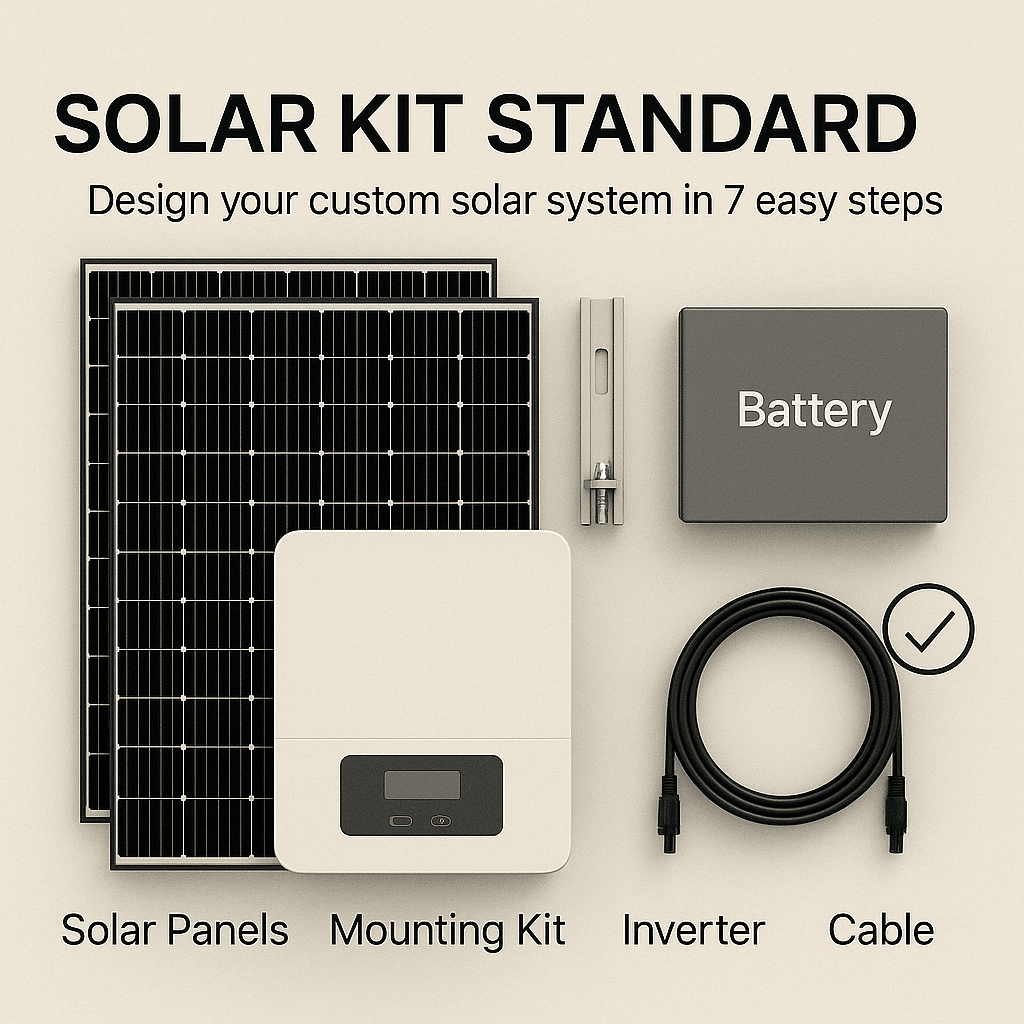
🔆 Standard Solar Kit – Your Custom Solar System in 7 Guided Steps
Design your solar setup with full flexibility and pre-configured mounting: choose solar panels, inverter, battery, mounting kit, wiring essentials, combiner, and accessories – all step by step and fully compatible.
✅ Includes mounting material from K2 Systems for standard layouts
✅ Choose only the components you need
✅ DIY-friendly and pre-checked for compatibility
✅ 🎁 Battery discount included when bundled
AceFlex provides carefully selected solar panels and DIY solar kits designed for residential solar systems across the United States.
So, are bifacial solar panels worth it?
In the right conditions, they can significantly increase solar energy generation and improve system efficiency. However, their value depends heavily on installation setup and environmental factors.
For homeowners with suitable conditions, bifacial panels can be a powerful upgrade. For standard rooftop installations, high-efficiency traditional panels may still be the more practical choice.
Choosing the right solar panel technology is essential for maximizing long-term performance and return on investment.
Bifacial panels generate electricity from both the front and back sides using reflected sunlight.
They typically produce 5% to 20% more energy, depending on installation conditions.
They can be, especially on reflective or elevated installations.
Yes, but the additional energy production can offset the higher cost.
Yes, but benefits are lower compared to ground-mounted systems.