As solar energy adoption continues to grow across the United States, more homeowners are researching solar panels for home energy systems. Lower equipment costs, rising electricity prices, and improved solar technologies have made residential solar systems more accessible than ever.
However, many homeowners quickly realize that understanding solar technology can be confusing. There are different types of photovoltaic panels, various efficiency levels, and several technologies that influence performance.
This guide explains solar panels in simple terms, helping homeowners and DIY solar enthusiasts understand how photovoltaic panels work, how efficient modern systems are, and how to choose the right solar modules for residential solar systems. By understanding the fundamentals of solar energy generation, homeowners can design more efficient systems and make better purchasing decisions.

To understand solar technology, it helps to start with the basics of how solar panels generate electricity.
Solar panels use photovoltaic cells to convert sunlight into electricity. These cells contain semiconductor materials, typically silicon, that release electrons when exposed to sunlight.
The process works as follows:
A complete residential solar system typically includes:
• solar panels
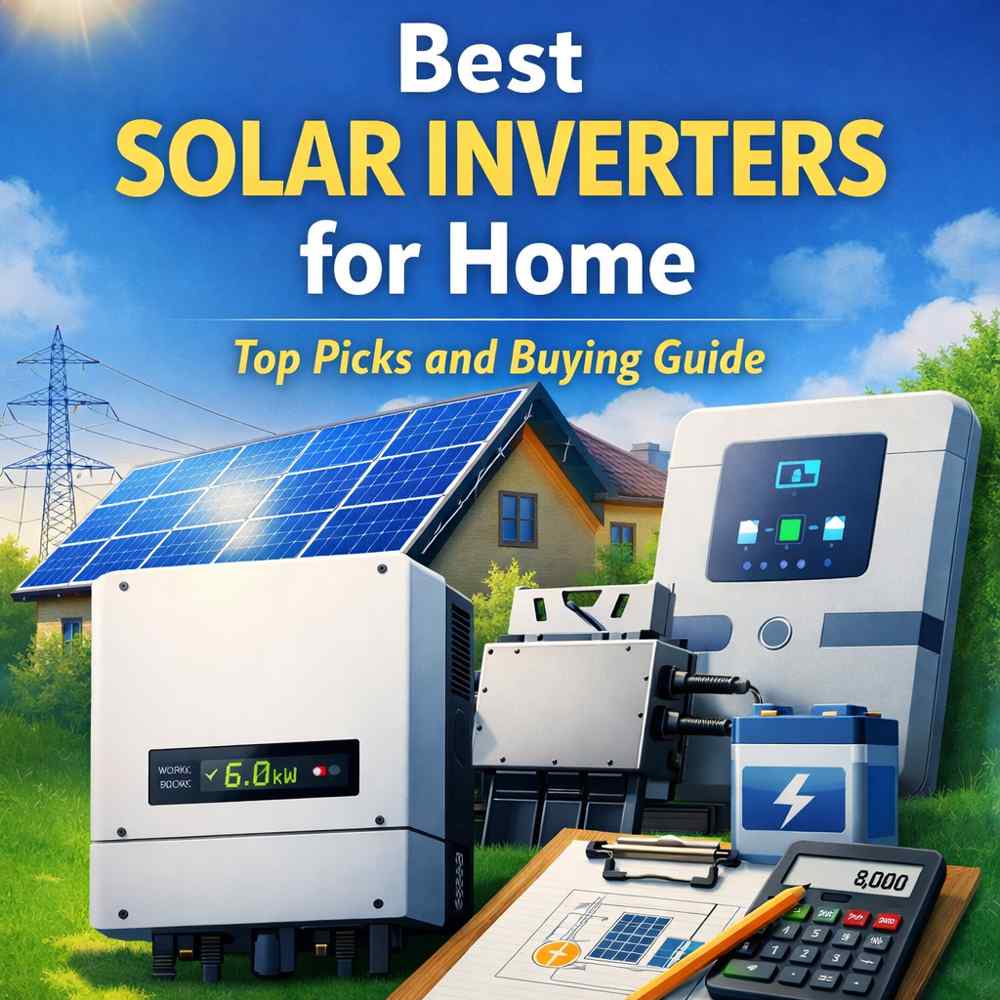
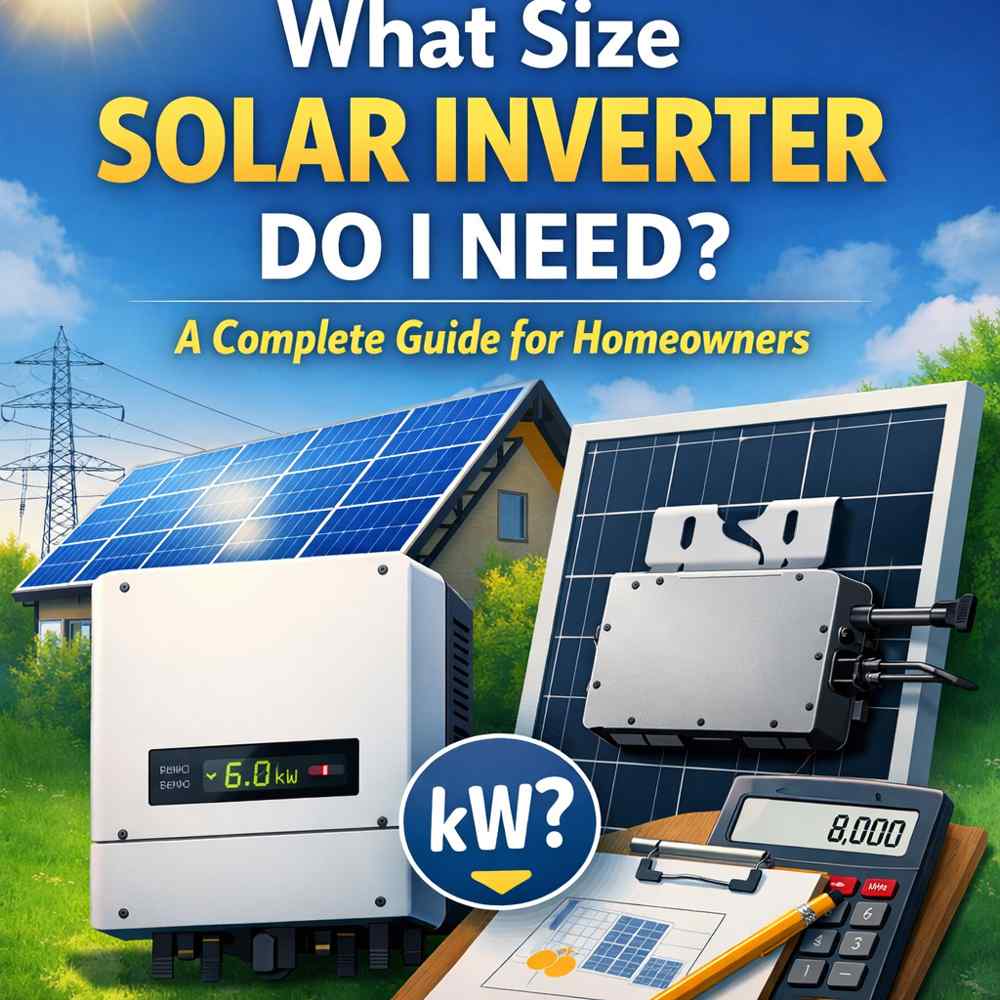
• an inverter
• mounting systems
• electrical wiring
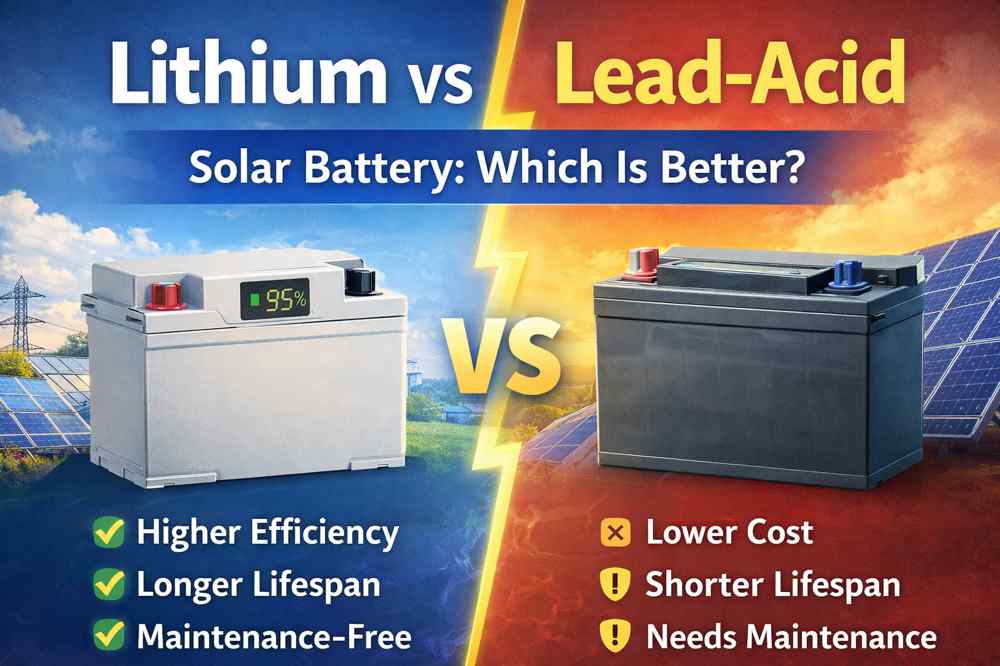
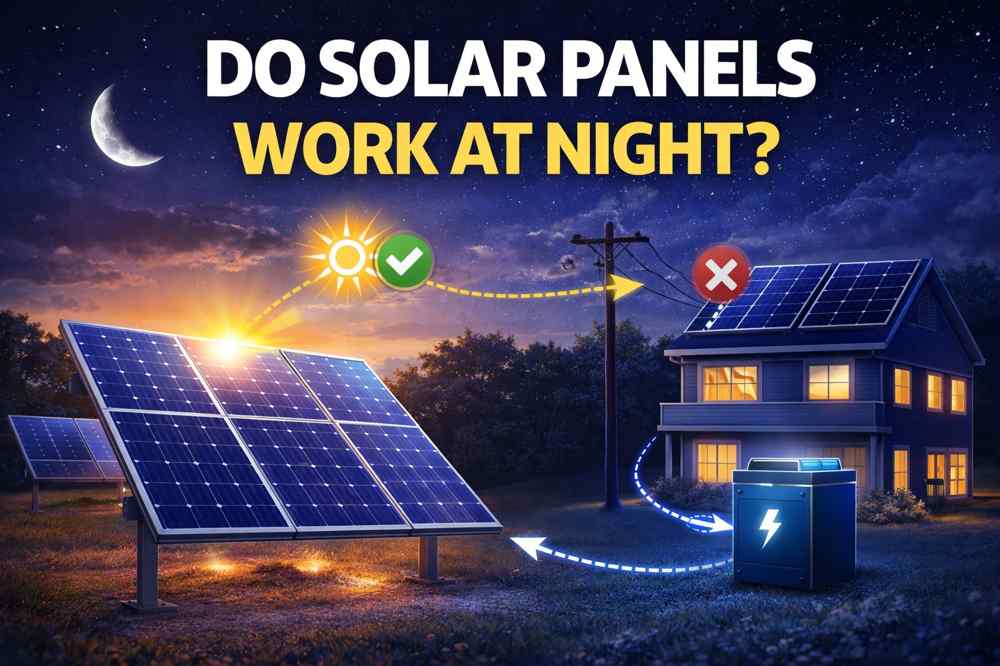
• optional battery storage
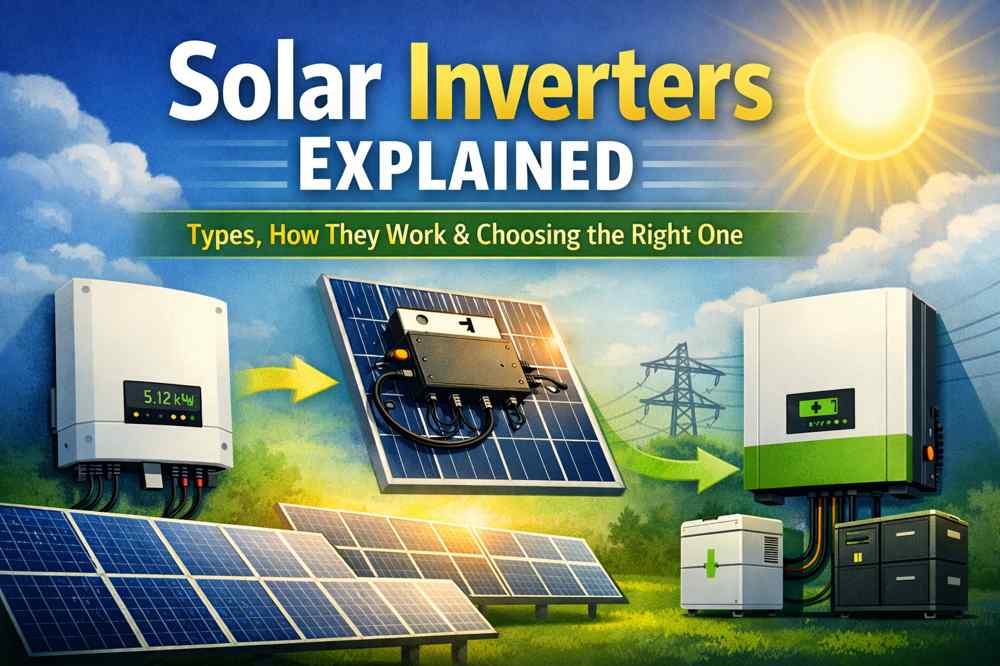
Although solar modules generate electricity, the inverter manages how that electricity is used within the home.
Understanding the different panel types is essential when solar modules are explained for homeowners considering a solar installation.
Monocrystalline panels are currently the most common choice for residential solar systems.
Characteristics include:
• high solar panel efficiency
• long lifespan
• sleek black appearance
• strong performance on limited roof space
Most modern residential solar systems use monocrystalline photovoltaic panels because they offer the best combination of efficiency and reliability.
Typical efficiency range: 19% – 23%
Polycrystalline panels use silicon fragments melted together to form solar cells.
Characteristics include:
• lower manufacturing cost
• slightly lower efficiency
• blue-colored appearance
Typical efficiency range: 15% – 18%
These modules were widely used in earlier residential solar systems but are becoming less common today.
Thin-film panels use alternative semiconductor materials applied in very thin layers.
Characteristics include:
• lightweight design
• flexible installation options
• lower solar panel efficiency
Typical efficiency range: 10% – 13%
Thin-film panels are usually used in commercial or large-scale installations rather than residential rooftops.
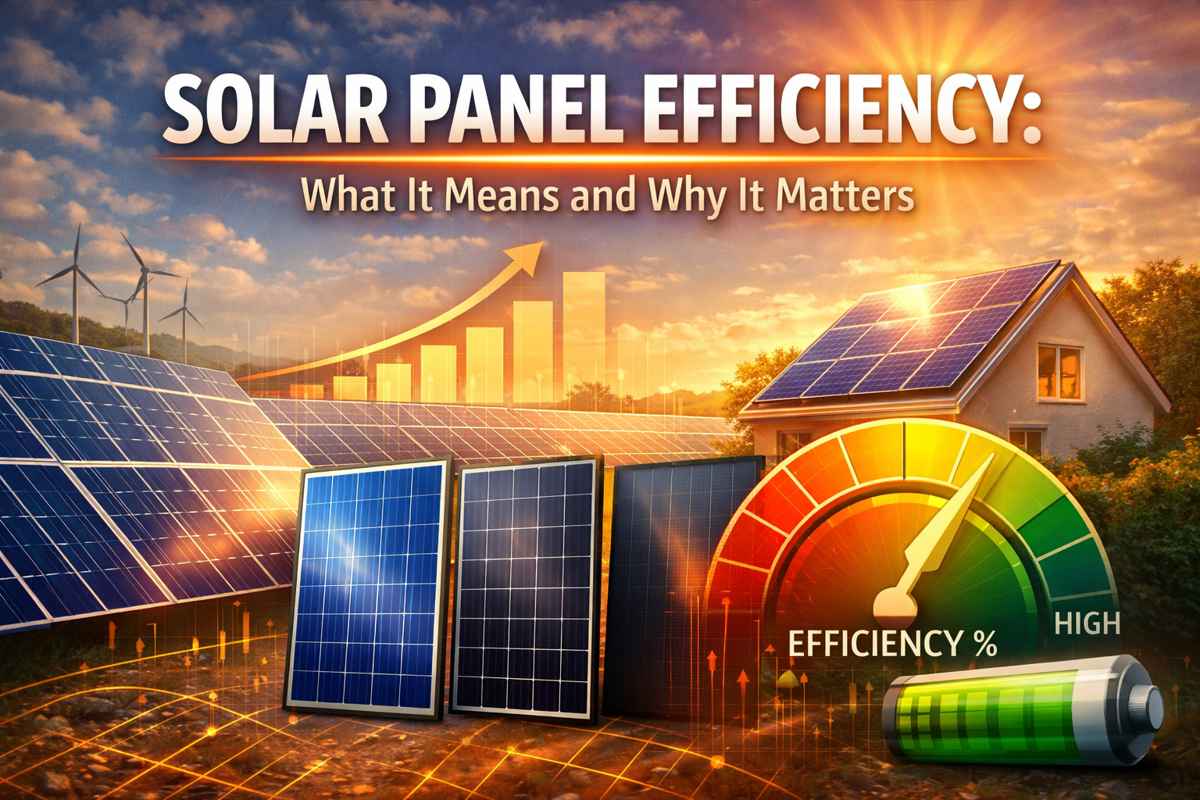
One of the most important factors when choosing photovoltaic panels is solar panel efficiency.
Solar panel efficiency measures how effectively a panel converts sunlight into usable electricity. For example, a panel with 20% efficiency converts 20% of sunlight into electrical energy.
Higher efficiency panels generate more electricity using the same roof space.
Several factors influence solar panel efficiency:
• solar cell technology
• panel design
• manufacturing quality
• temperature performance
• shading conditions
Modern high-quality photovoltaic panels used in residential solar systems typically achieve efficiency levels between 20% and 22%.
Higher efficiency modules are particularly valuable when roof space is limited or homeowners want to maximize solar energy generation.
Solar technology continues to evolve, improving both efficiency and long-term performance.
PERC (Passivated Emitter Rear Contact) technology increases light absorption inside the solar cell.
Benefits include:
• improved energy production
• better low-light performance
• increased panel efficiency
N-type solar cells represent a newer generation of solar technology.
Advantages include:
• lower degradation over time
• higher efficiency potential
• improved long-term reliability
Many premium photovoltaic panels now use N-type TOPCon technology.
Half-cut solar cells divide traditional solar cells into two smaller pieces.
Benefits include:
• reduced electrical resistance
• higher efficiency
• better shading tolerance
This design also improves long-term durability.
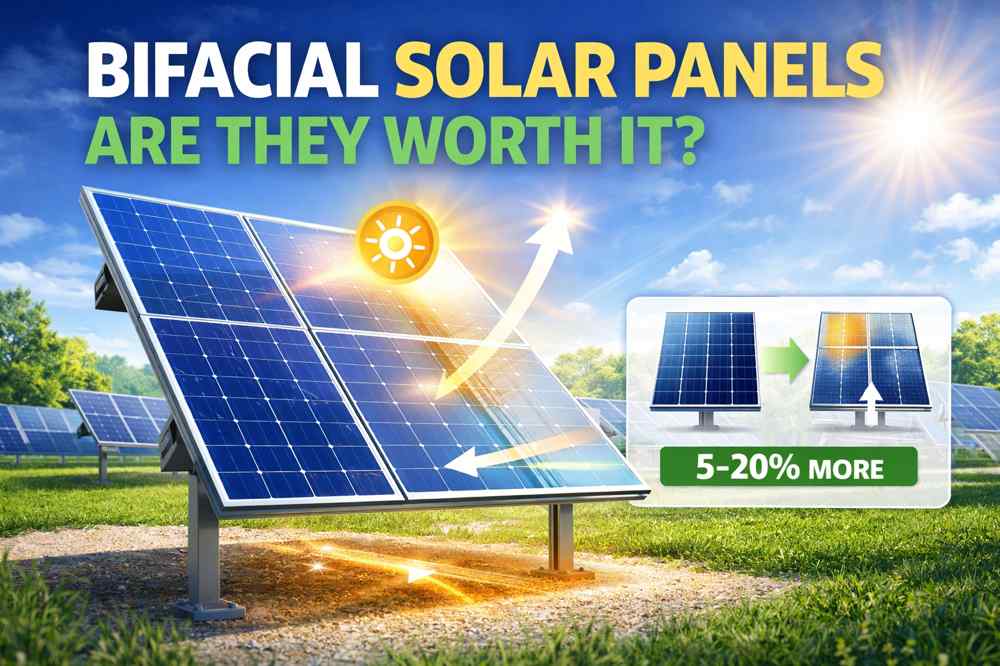
Bifacial solar modules capture sunlight from both the front and the back of the panel.
Benefits include:
• higher overall energy generation
• improved performance on reflective surfaces
• increased system output
Bifacial modules are becoming more common in modern residential solar systems.
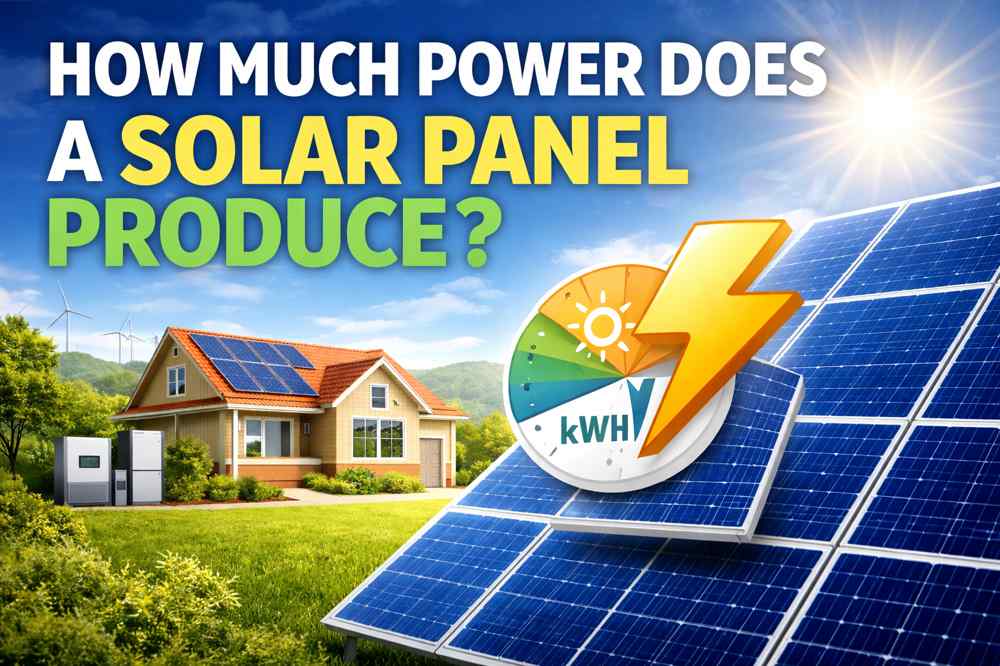
Solar panel output is measured in watts (W).
Most residential solar panels today produce between 400W and 450W.
Example comparison:
| Panel Type | Typical Output |
|---|---|
| Standard residential panel | 400W |
| High-efficiency panel | 440W |
| Premium panel | 450W+ |
The total electricity generated by a solar system depends on several factors:
• number of panels installed
• sunlight availability
• roof orientation
• system design
A typical U.S. household may require 15–25 solar modules to offset most of its electricity consumption.
Even high-quality photovoltaic panels depend on proper installation and favorable conditions.
South-facing roofs generally produce the highest solar energy generation in the United States.
East and west orientations can still perform well.
Solar production varies by region. States with strong solar potential include:
• California
• Texas
• Florida
• Arizona
• Nevada
However, solar modules still generate electricity effectively in northern climates.
High temperatures slightly reduce solar panel efficiency, but modern modules are designed to minimize these losses.
Trees, chimneys, and nearby buildings can reduce solar energy production. Proper system design helps minimize shading issues.
When solar panels are explained for homeowners, several key considerations help guide the purchasing decision.
Higher efficiency panels produce more electricity using fewer panels. This is important when roof space is limited.
Quality solar panels usually include:
• 25-year product warranty
• 25–30 year performance warranty
These warranties indicate long-term reliability.
If you want to understand what these warranties actually cover before buying solar modules, read our guide: Understanding Solar Panel Warranties Before You Buy
Panels from reputable manufacturers often deliver more consistent performance and durability.
Solar modules must work effectively with:
• solar inverters
• mounting systems
• battery storage systems
Choosing compatible components ensures optimal system performance.
Consider a homeowner installing a 7 kW residential solar system.
Typical configuration:
| Component | Quantity |
|---|---|
| 440W solar panels | 16 |
| Total system capacity | ~7 kW |
| Estimated annual production | 9,000 – 11,000 kWh |
This system could offset most electricity consumption for an average U.S. household.
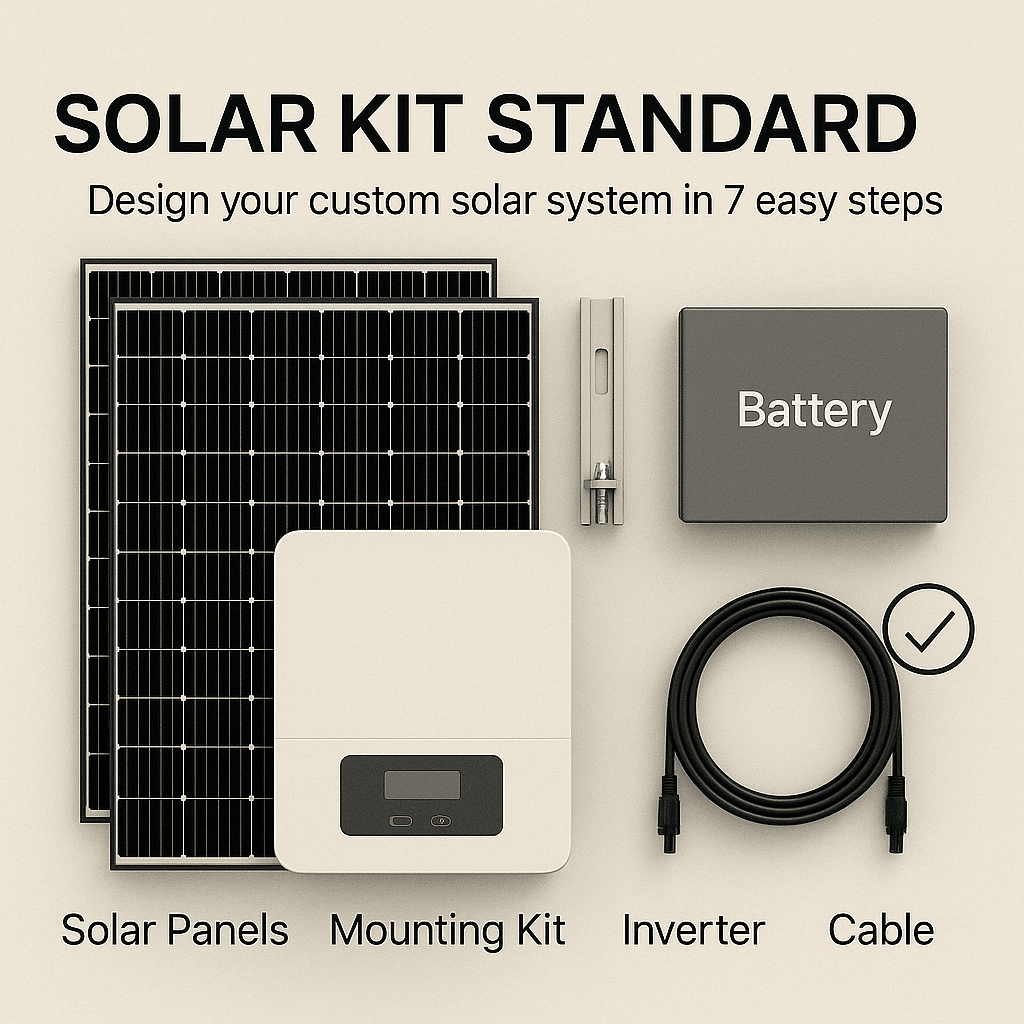
🔆 Standard Solar Kit – Your Custom Solar System in 7 Guided Steps
Design your solar setup with full flexibility and pre-configured mounting: choose solar panels, inverter, battery, mounting kit, wiring essentials, combiner, and accessories – all step by step and fully compatible.
✅ Includes mounting material from K2 Systems for standard layouts
✅ Choose only the components you need
✅ DIY-friendly and pre-checked for compatibility
✅ 🎁 Battery discount included when bundled
DIY solar installations are becoming increasingly popular among homeowners seeking energy independence.
Solar systems typically include:
• photovoltaic panels
• solar inverters
• mounting hardware
• wiring and safety components
• optional battery storage
Preconfigured solar kits simplify the process by combining compatible equipment in a single package.
For homeowners and installers designing residential solar systems, AceFlex provides carefully selected solar modules, inverters, batteries, mounting systems, and DIY solar kits for solar projects across the United States.
Choosing high-quality solar equipment helps ensure reliable solar energy generation for decades.

Understanding how solar technology works is essential before installing a residential solar system. When solar panels are explained clearly, homeowners can better evaluate panel types, efficiency levels, and system design options.
Modern photovoltaic panels offer impressive efficiency, durability, and long-term performance. Advances in technologies such as N-type solar cells, half-cut designs, and bifacial modules continue to improve solar energy generation.
By selecting the right solar panels and compatible system components, homeowners can maximize energy production and long-term savings. Reliable solar equipment plays a critical role in the success of any residential solar installation.
Solar panels are devices that convert sunlight into electricity using photovoltaic cells. They are the primary component of residential solar energy systems.
Most modern residential solar modules have efficiencies between 19% and 23%, depending on the technology used.
The number of photovoltaic panels needed depends on electricity consumption, panel wattage, and local sunlight conditions. If you want a step-by-step method, read our guide on how to calculate how many solar panels you need.
Yes. Solar modules still produce electricity on cloudy days, although output may be reduced compared to sunny conditions.
Most solar modules last 25 to 30 years or longer. Performance gradually declines but panels typically continue producing electricity for decades.
For many homeowners, solar modules reduce electricity costs, increase energy independence, and support clean energy generation.