Solar energy systems do not always require batteries. In fact, many residential solar installations operate with an inverter without a battery. These systems convert solar electricity into usable power immediately and send excess energy back to the utility grid.
For many homeowners in the United States, this type of setup is the simplest and most cost-effective way to install solar panels.
In this guide, we explain how an inverter without a battery works, when this system design makes sense, and when adding battery storage may be beneficial.

An inverter without a battery is a solar inverter that converts electricity generated by solar panels directly into usable household power without storing the energy in batteries.
Solar panels produce direct current (DC) electricity. Most homes and appliances, however, operate using alternating current (AC) electricity.
The inverter performs the conversion.
Solar Panels → DC Electricity
Inverter → Converts DC to AC
Home Appliances → Use AC electricity
When the solar panels produce more electricity than the home uses, the excess power is typically exported to the utility grid.
This type of setup is commonly referred to as a grid-tied solar system.
Solar systems without batteries operate differently from energy storage systems. Instead of storing excess solar energy, these systems rely on the grid to balance electricity supply and demand.
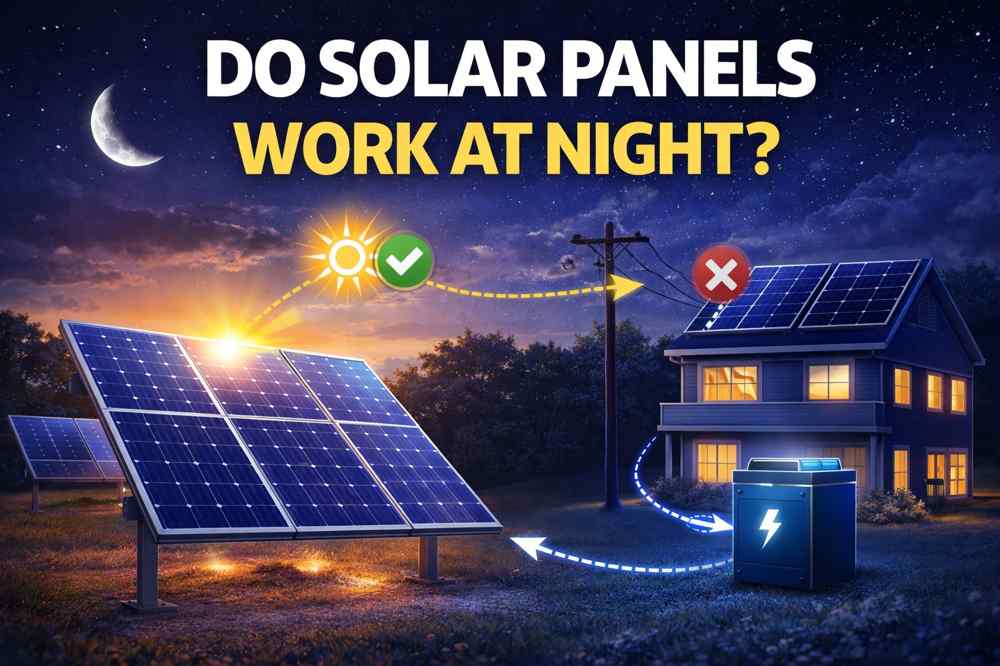
During the day, solar panels generate electricity from sunlight. The inverter converts that electricity into AC power that the home can use immediately.
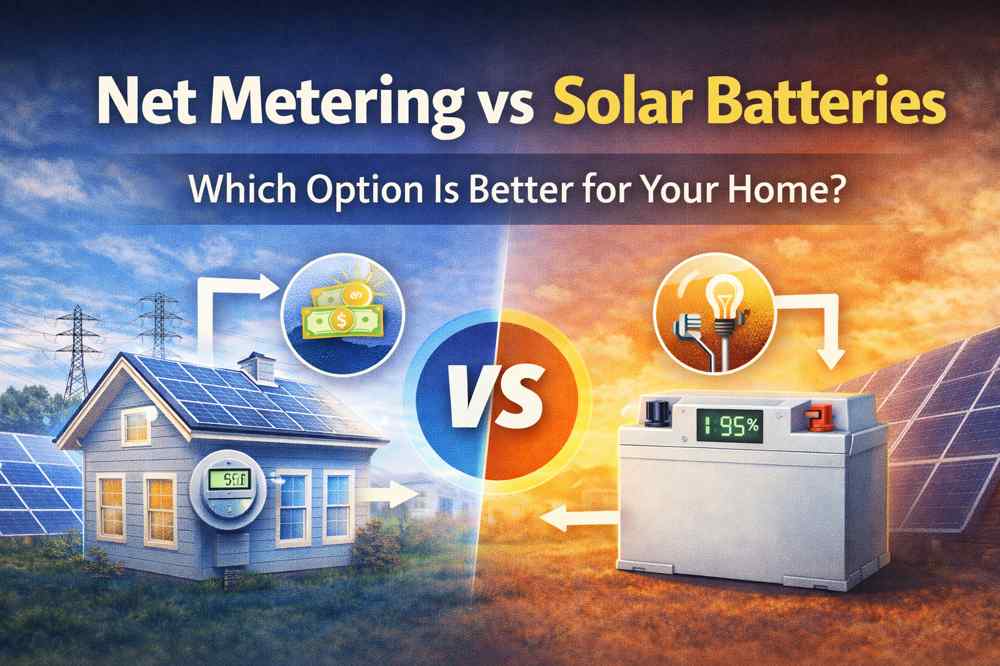
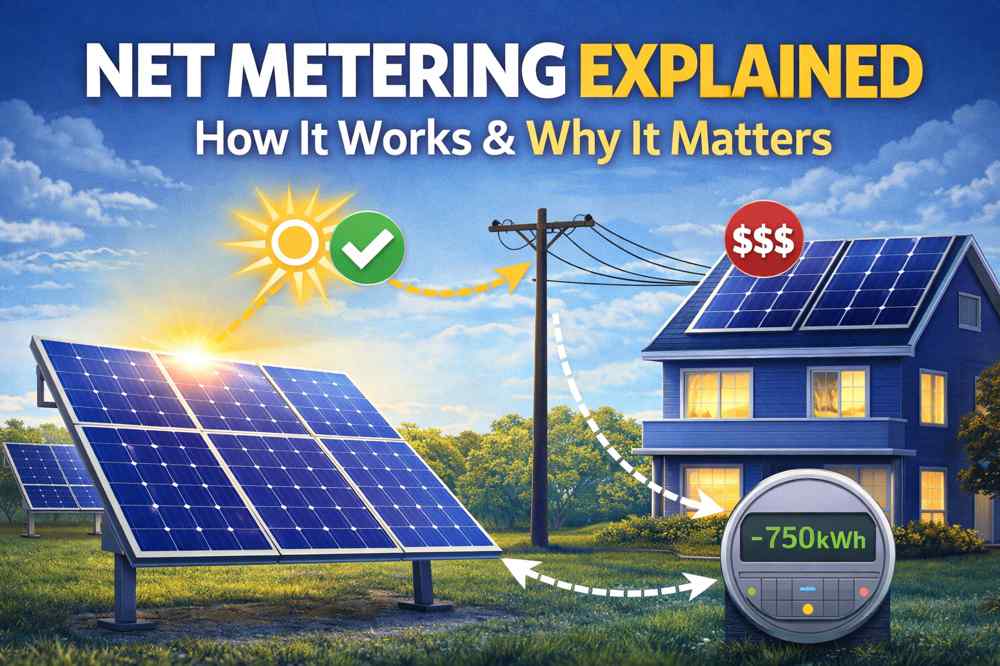
If the solar panels produce more electricity than the home requires, the extra energy flows back to the grid. In many states, homeowners receive credits for this electricity through net metering programs.
At night or during cloudy weather, the home simply draws electricity from the grid.
Because the grid acts as a virtual energy storage system, batteries are not required in many solar installations.
A solar system without batteries typically includes only a few core components.
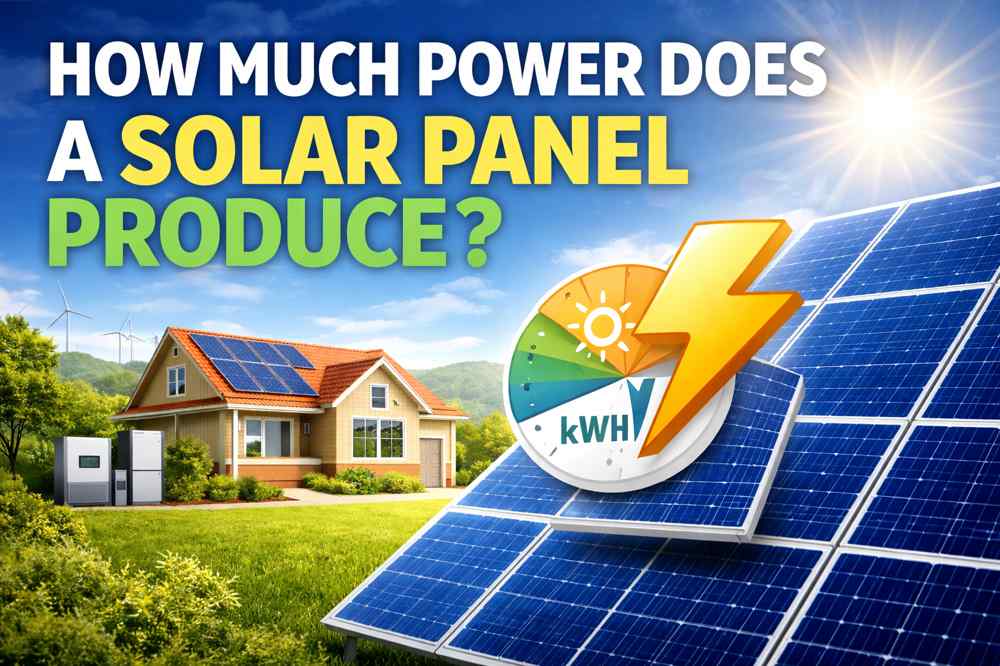
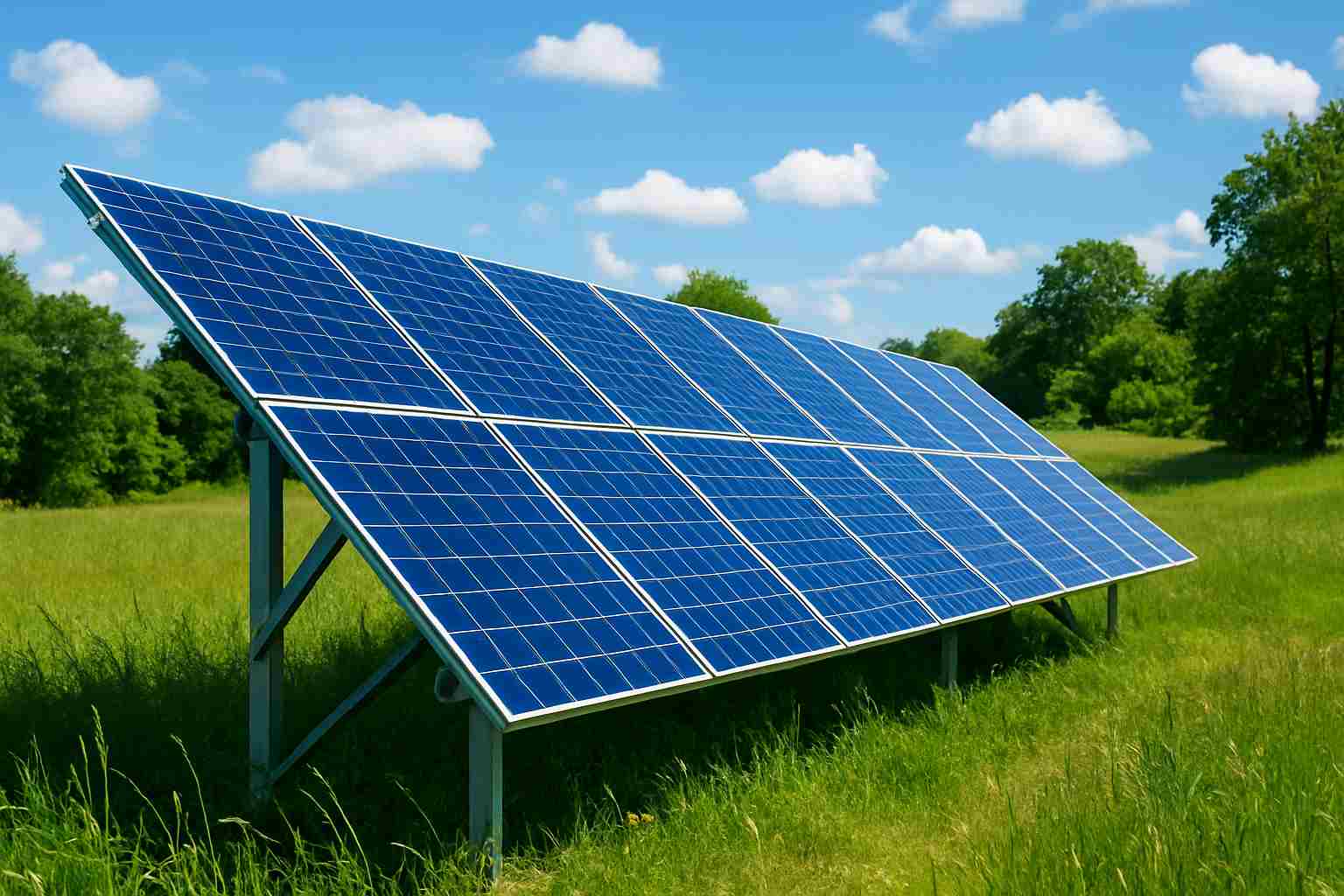
Solar panels capture sunlight and convert it into DC electricity. Modern residential panels often produce between 350 and 450 watts each.
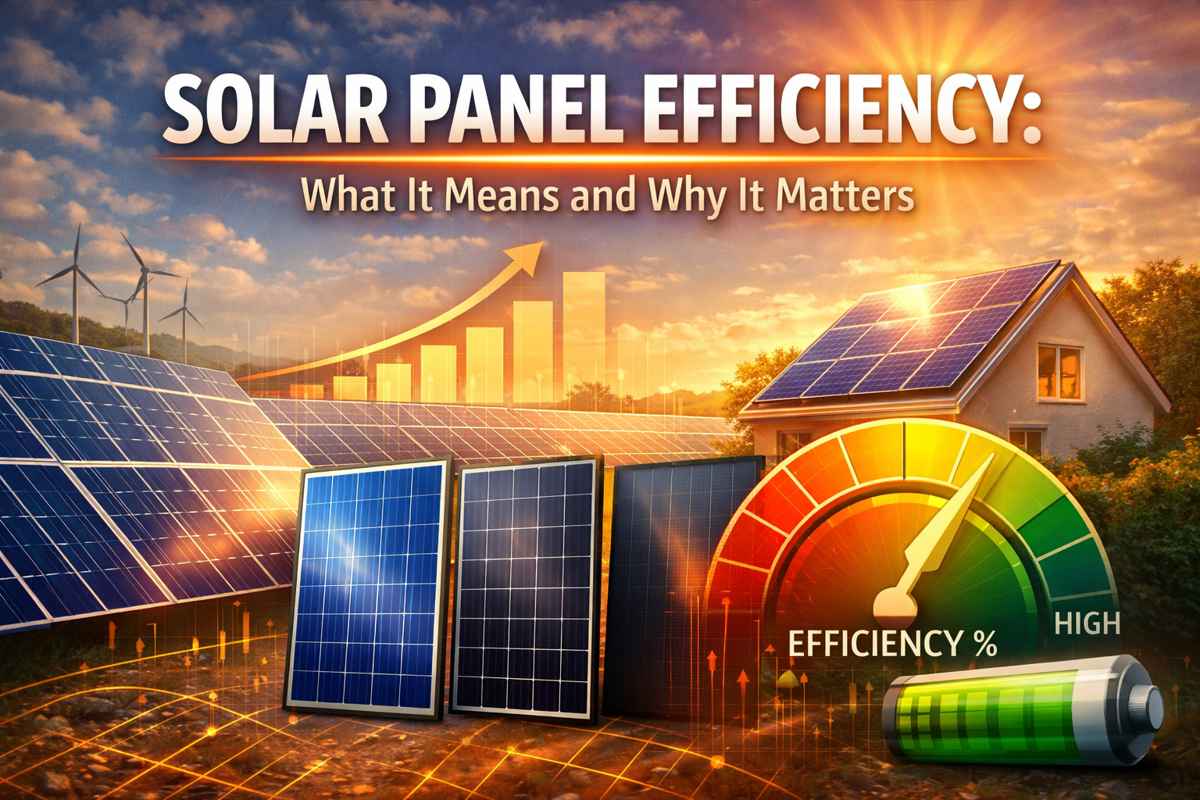
High-efficiency solar panels allow homeowners to generate more electricity using less roof space.
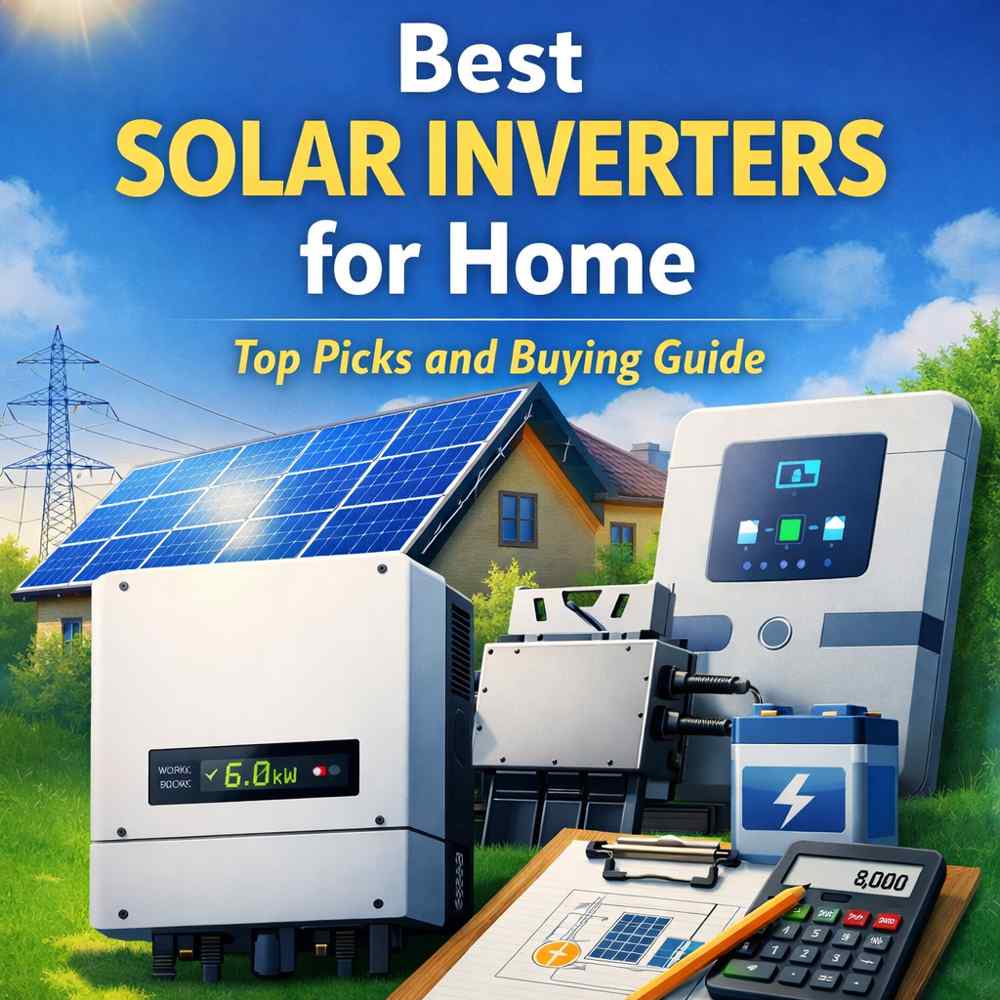
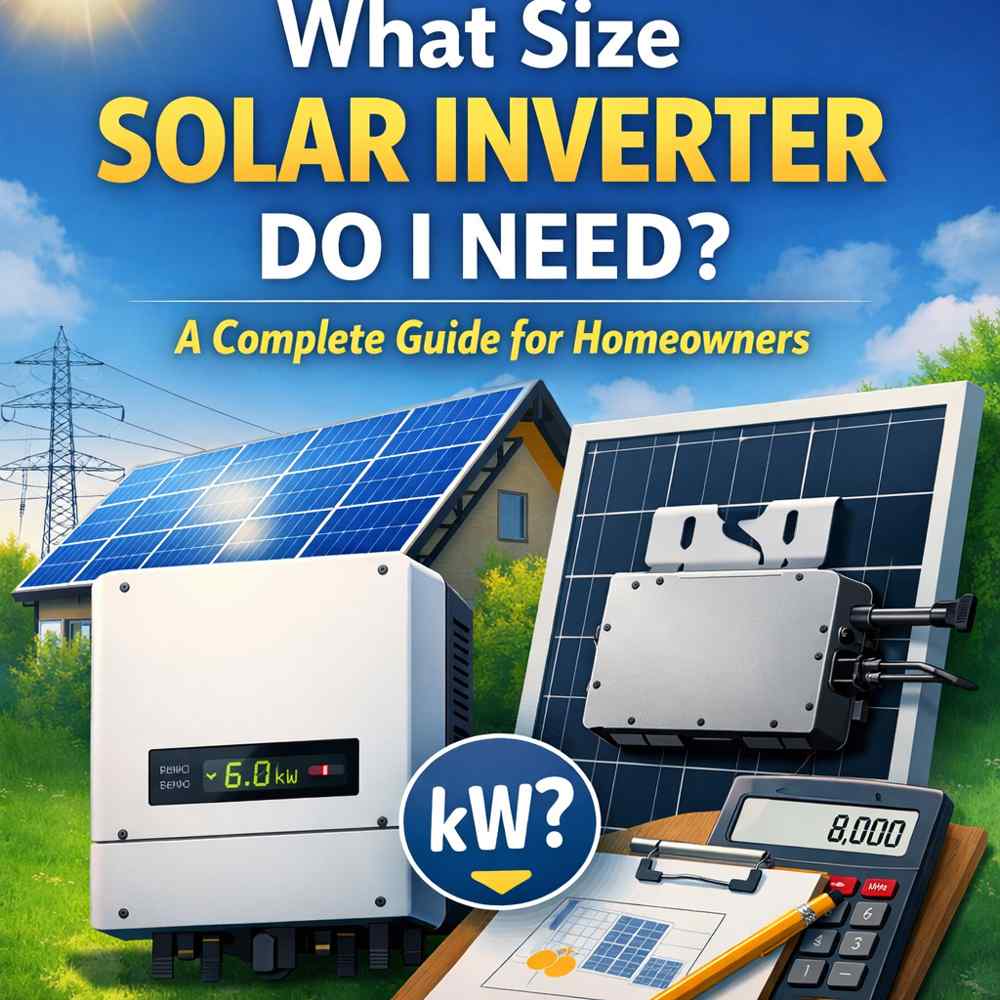
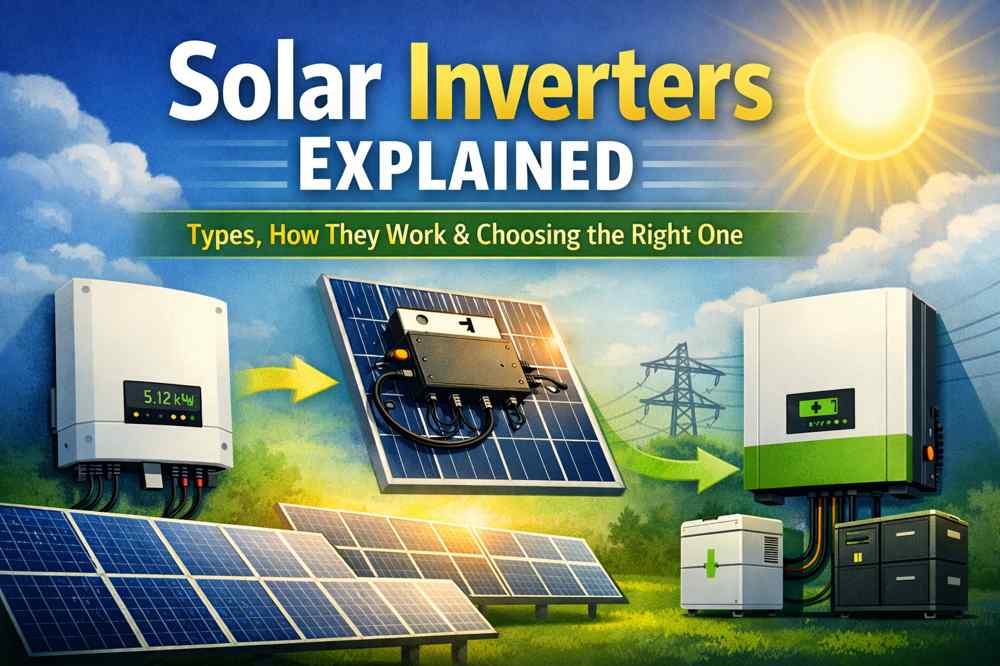
The inverter converts DC electricity from the solar panels into AC electricity for the home.
There are several types of solar inverters used in residential systems, including:
• string inverters
• microinverters
• hybrid inverters
For grid-tied systems without batteries, string inverters and microinverters are the most common solutions.
Solar panels must be securely mounted to the roof or ground using specialized racking systems.
Mounting systems ensure proper panel orientation and structural safety.
Most modern solar inverters include monitoring software that allows homeowners to track solar production and system performance.
Solar systems without batteries remain the most widely installed solar configuration in the United States. There are several reasons for this.
Battery storage can significantly increase the cost of a solar installation. Installing solar panels without batteries reduces the overall system investment.
For many homeowners, this makes solar energy financially accessible.
Solar systems without batteries require fewer components. This simplifies system design and installation.
Fewer components also mean fewer maintenance considerations.
Because solar electricity is used immediately in the home, energy conversion losses are minimized.
When excess electricity is exported to the grid, homeowners may receive financial credits through net metering programs.
Grid-tied solar systems without batteries have been installed for decades and remain the most common residential solar solution.
Although systems without batteries are effective for many homeowners, they do have some limitations.
One of the biggest limitations is that most grid-tied solar systems automatically shut down during power outages.
This safety feature protects utility workers repairing power lines.
As a result, solar panels will not power the home during an outage unless battery storage or specialized backup systems are installed.
Without batteries, excess solar energy cannot be stored for nighttime use.
Instead, the energy is exported to the grid.
Homeowners with grid-tied systems remain dependent on the utility grid for electricity during periods when solar production is low.
Battery storage has become increasingly popular as homeowners seek greater energy independence.
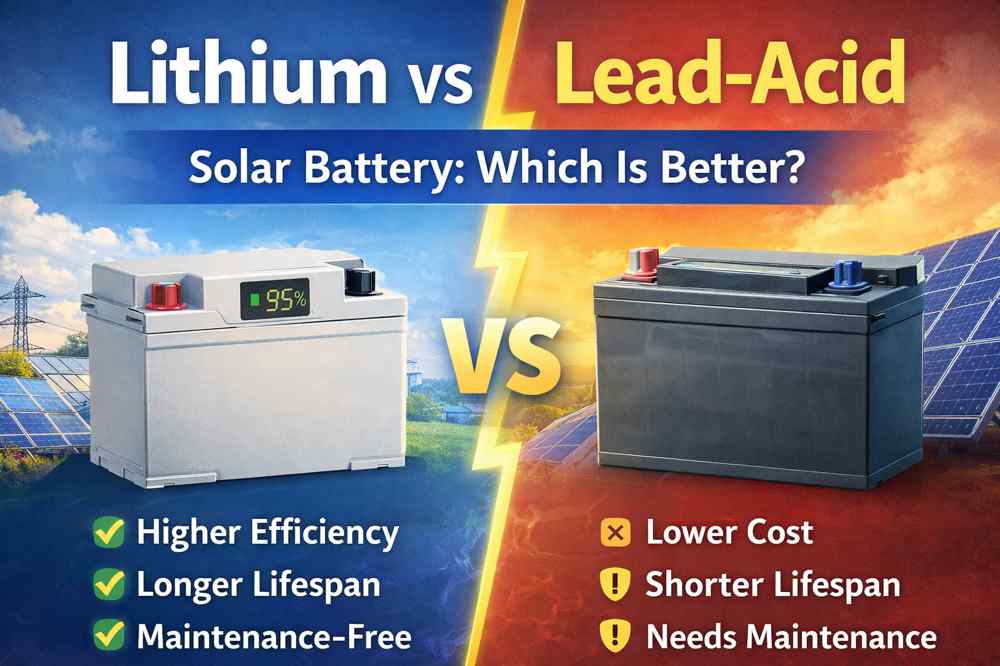
Adding a battery allows excess solar electricity to be stored and used later.
Benefits of solar battery storage include:
• backup power during outages
• increased energy independence
• better use of solar energy produced during the day
However, batteries increase system cost and complexity.
Homeowners should carefully evaluate their energy goals before adding battery storage.
Solar systems with battery storage require different equipment than systems without batteries.
Grid-tied systems typically use solar inverters designed to convert solar electricity directly for household use and grid export.
Systems with batteries require inverters that can manage battery charging and discharging.
If you want to learn more about these systems, you can read our detailed guide on Battery Powered Inverter: How They Work and When You Need One, which explains how inverters convert stored battery power into usable electricity.
Understanding the differences between these technologies can help homeowners design the right solar energy system for their needs.
For many homeowners, a solar system without batteries remains the most practical solution.
This approach works well when:
• the home has reliable grid electricity
• net metering programs are available
• the homeowner wants the lowest installation cost
• backup power is not a primary concern
In these situations, grid-tied solar systems provide excellent financial returns while keeping system design simple.
A well-designed solar energy system requires compatible components and careful planning.
Most residential systems include solar panels, inverters, mounting systems, and monitoring equipment.
Homeowners interested in building solar systems can explore a range of solar components including solar panels, inverters, batteries, mounting systems, and DIY solar kits designed for flexible installation.
At AceFlex, homeowners and solar installers can find carefully selected equipment to build reliable solar energy systems tailored to their energy needs.
An inverter without battery is the foundation of many residential solar systems. These grid-tied systems convert solar electricity directly into usable power and send excess energy to the grid.
For homeowners looking for a simple and cost-effective solar installation, systems without batteries remain a practical solution.
However, battery storage may be valuable for those seeking backup power or greater energy independence.
Understanding how solar inverters work—both with and without batteries—helps homeowners design energy systems that match their long-term goals.
Yes. Many solar systems operate without batteries. The inverter converts solar electricity directly into usable household power.
In grid-tied systems, excess electricity is exported to the utility grid. Homeowners may receive credits through net metering programs.
Most grid-tied solar systems shut down during outages for safety reasons.
No. Batteries are optional and mainly used for energy storage and backup power.
Yes. Removing battery storage significantly reduces system cost and simplifies installation.