Solar energy has become one of the most impactful technologies in the global transition to clean energy. As homeowners and businesses look for ways to reduce electricity costs and increase energy independence, understanding what is solar photovoltaic energy is essential. Solar PV systems have matured into a highly reliable, efficient, and scalable solution that delivers long-term financial and environmental benefits.
This article breaks down the fundamentals of solar photovoltaic energy, how it works, and why it has become the dominant method of generating clean electricity worldwide.
Solar photovoltaic energy—commonly called solar PV—refers to the process of converting sunlight directly into electricity using semiconductor-based solar cells. Unlike solar thermal systems, which capture the sun’s heat, PV technology relies on the photovoltaic effect, where photons from sunlight generate an electrical current.
In practical terms, solar photovoltaic energy is what allows rooftop solar panels, ground mounts, and large-scale solar farms to produce the electricity that powers homes, EV chargers, appliances, and business operations. Because PV systems have no moving parts, they are exceptionally durable and require minimal maintenance over their 25+ year lifespan.
The photovoltaic process is surprisingly elegant and highly efficient. Here’s how solar PV systems convert sunlight into usable electricity:
This seamless, silent process repeats itself every time the sun shines, making solar photovoltaic energy one of the most dependable renewable technologies available today.
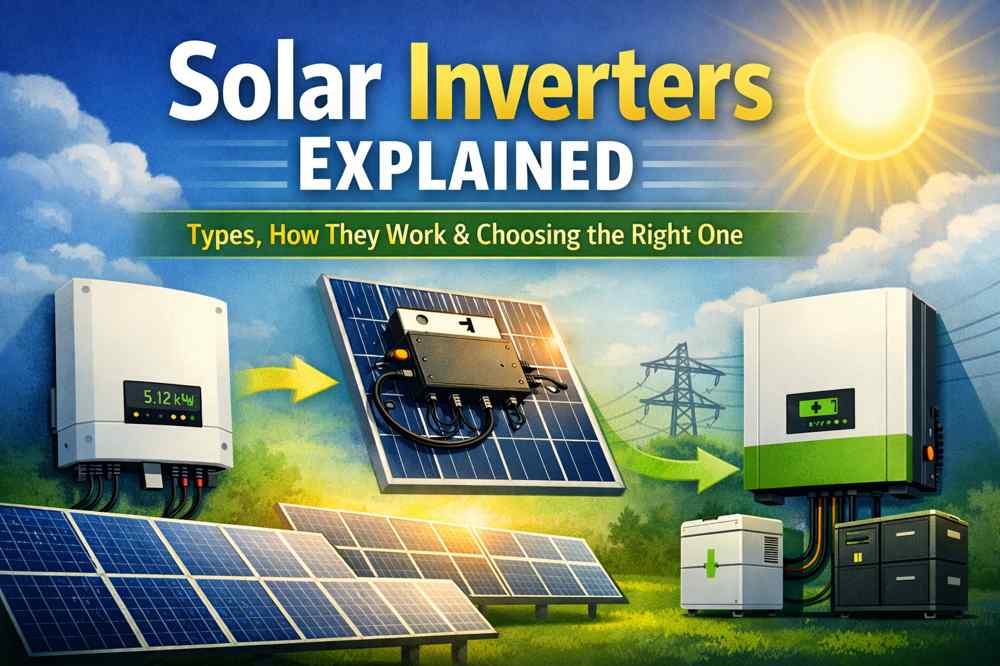
A modern solar PV system consists of several integrated components that work together to convert sunlight into reliable, usable electricity. Understanding each part helps clarify what is solar photovoltaic energy in practical, real-world terms:
Together, these components form the foundation of a complete photovoltaic energy system.
Solar PV systems come in several configurations, each tailored to different homeowner needs and utility environments. Understanding system types is a key part of explaining what is solar photovoltaic energy in today’s energy landscape.
Each system type offers unique advantages in terms of cost, control, and energy reliability.
From cost savings to environmental impact, the benefits of solar PV are a driving force behind its rapid adoption. Here are the core advantages:
These benefits are a major part of why solar photovoltaic energy has become one of the most widely adopted renewable energy technologies worldwide.
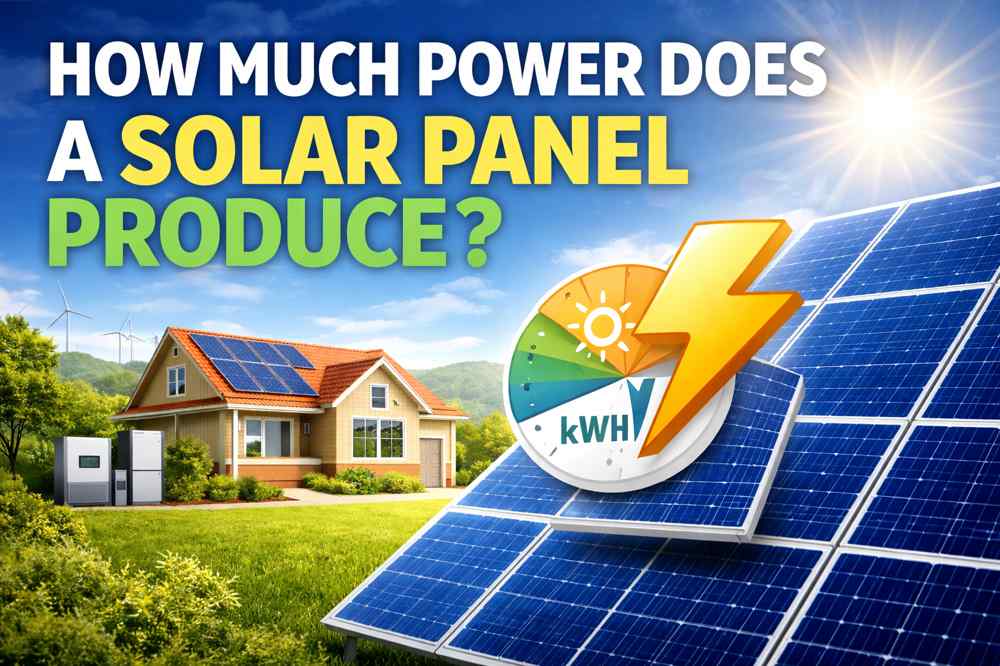
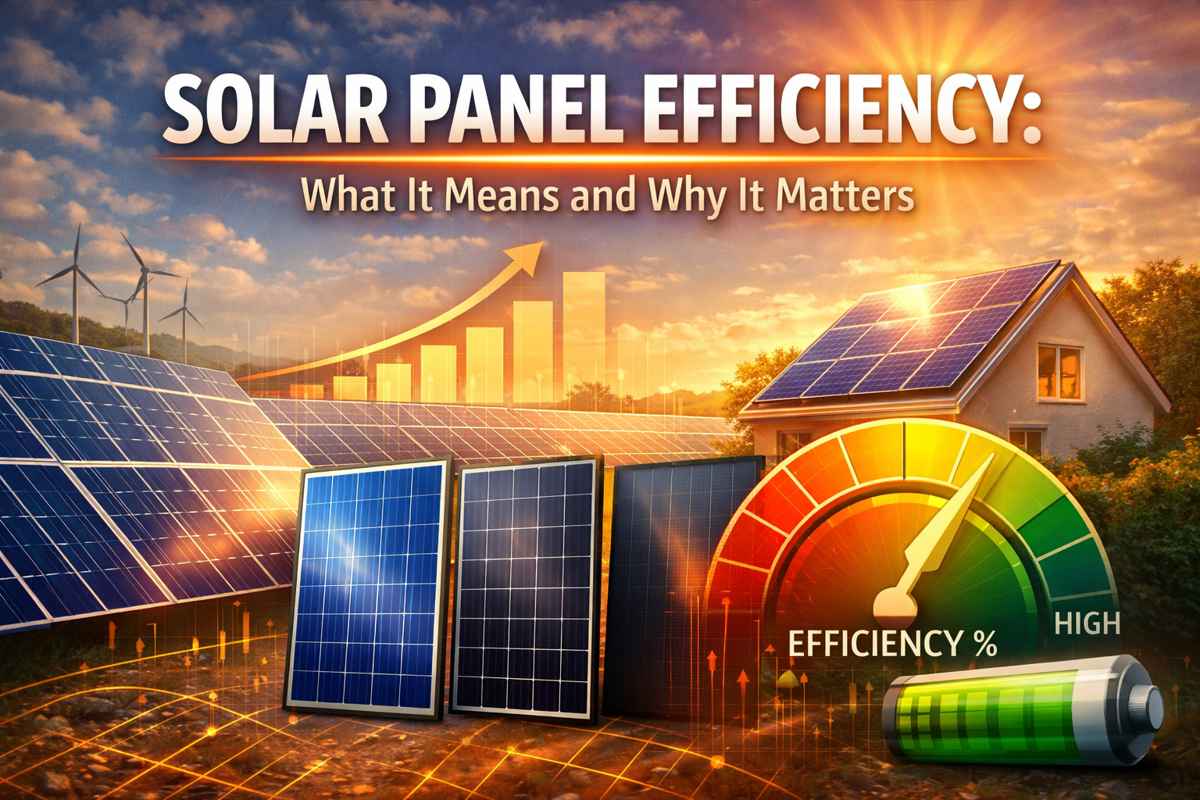
The efficiency of a solar PV system determines how effectively it can convert sunlight into usable electricity. Modern panels typically operate in the 18%–23% efficiency range, with premium modules reaching even higher levels. While efficiency is an important metric, the real-world output of a system depends on several external factors:
Understanding these variables helps homeowners realistically assess how much power their system can generate. This makes the technical side of what is solar photovoltaic energy more predictable and easier to plan for across the system’s 25+ year lifespan.
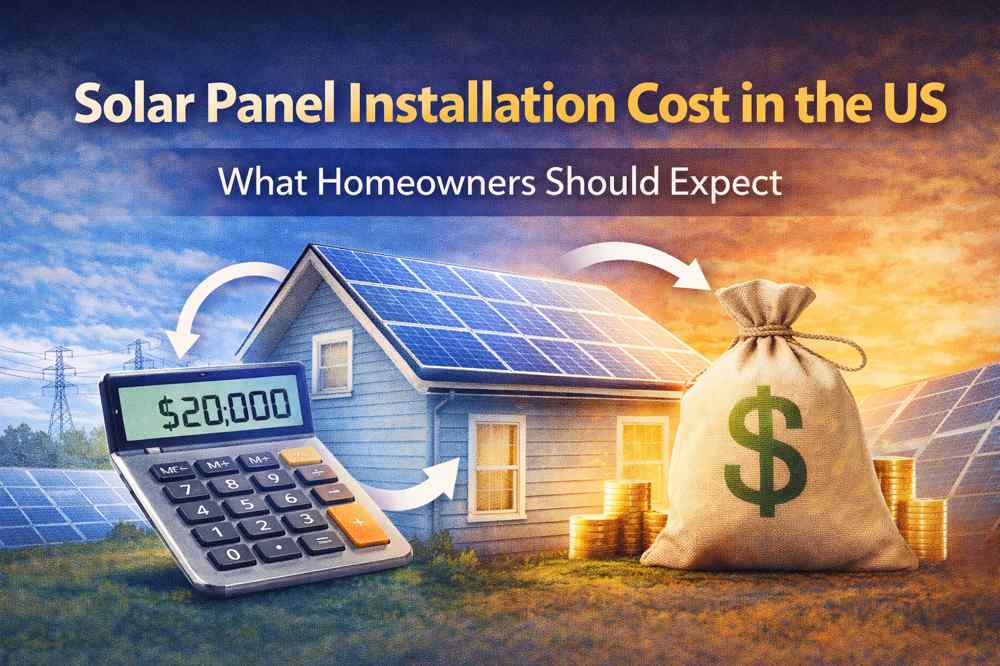
The cost of adopting solar PV has fallen significantly over the last decade, making it more accessible for homeowners and businesses. Most residential systems in the U.S. cost between $15,000 and $30,000 before incentives, depending on equipment quality and system size. The largest cost drivers include:
Homeowners can reduce costs substantially by leveraging the 30% Federal Investment Tax Credit (ITC). For a detailed explanation of how this works, you can reference our guide: Solar Energy Federal Tax Credits: What to Know
Additionally, many homeowners lower costs further by choosing DIY Solar Kits, which eliminate high labor charges while maintaining eligibility for federal incentives. Over time, the savings from solar electricity can offset system costs, resulting in a strong return on investment and lower long-term utility expenses.
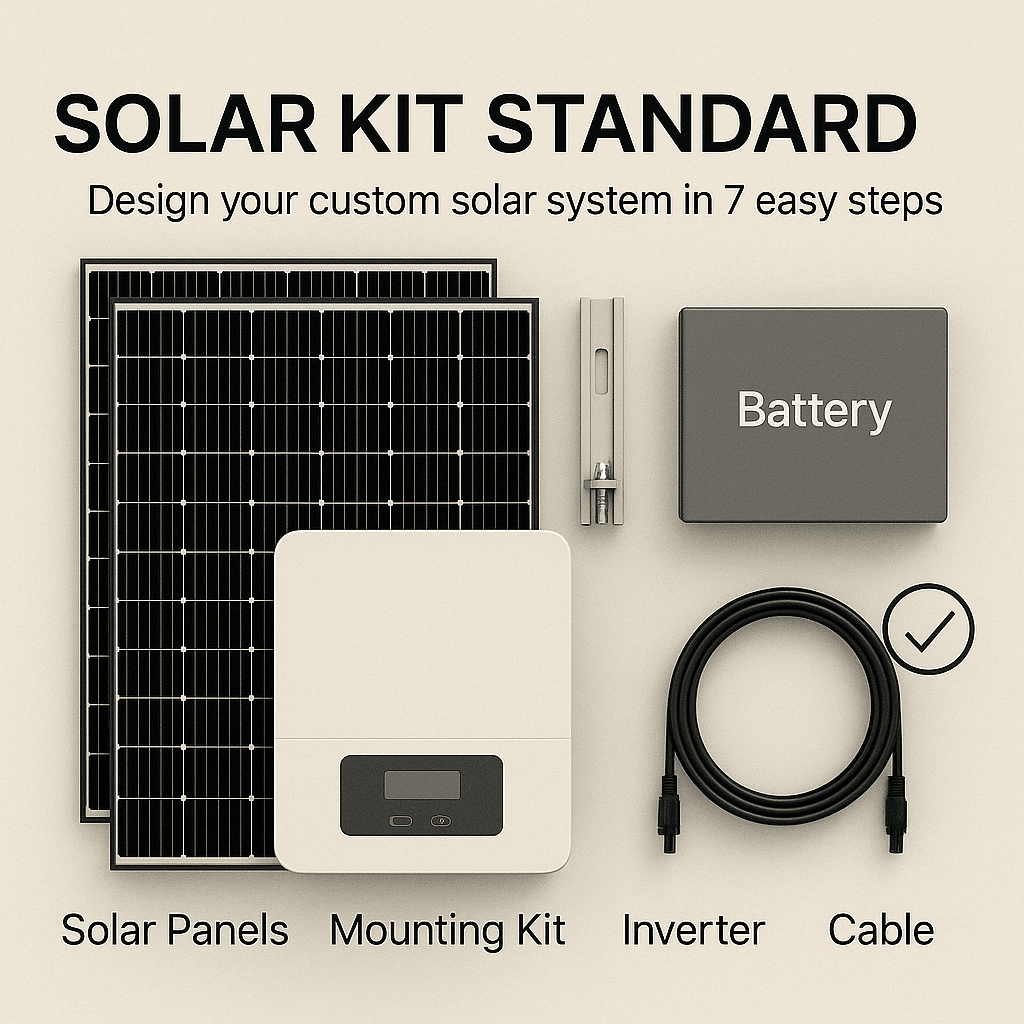
🔆 Standard Solar Kit – Your Custom Solar System in 7 Guided Steps
Design your solar setup with full flexibility and pre-configured mounting: choose solar panels, inverter, battery, mounting kit, wiring essentials, combiner, and accessories – all step by step and fully compatible.
✅ Includes mounting material from K2 Systems for standard layouts
✅ Choose only the components you need
✅ DIY-friendly and pre-checked for compatibility
✅ 🎁 Battery discount included when bundled
Solar photovoltaic power delivers meaningful environmental benefits with every kilowatt-hour generated. By converting sunlight into electricity without combustion, solar PV significantly reduces greenhouse gas emissions and air pollutants. Over its lifetime, a typical residential solar system can offset tens of thousands of pounds of CO₂, helping to slow climate change and reduce reliance on fossil fuel–based energy.
For homeowners exploring what is solar photovoltaic power, the environmental impact is a key advantage that aligns both economic and sustainability goals.
Despite widespread adoption, solar PV is still surrounded by a few persistent myths. Addressing these misconceptions helps homeowners make informed decisions.
“Solar doesn’t work in cold climates.”
Solar panels actually perform better in cooler temperatures. States like New York, Illinois, and Massachusetts have some of the strongest solar growth in the country.
“Solar requires constant maintenance.”
PV systems have no moving parts and require very little upkeep—typically just occasional cleaning and periodic inspections.
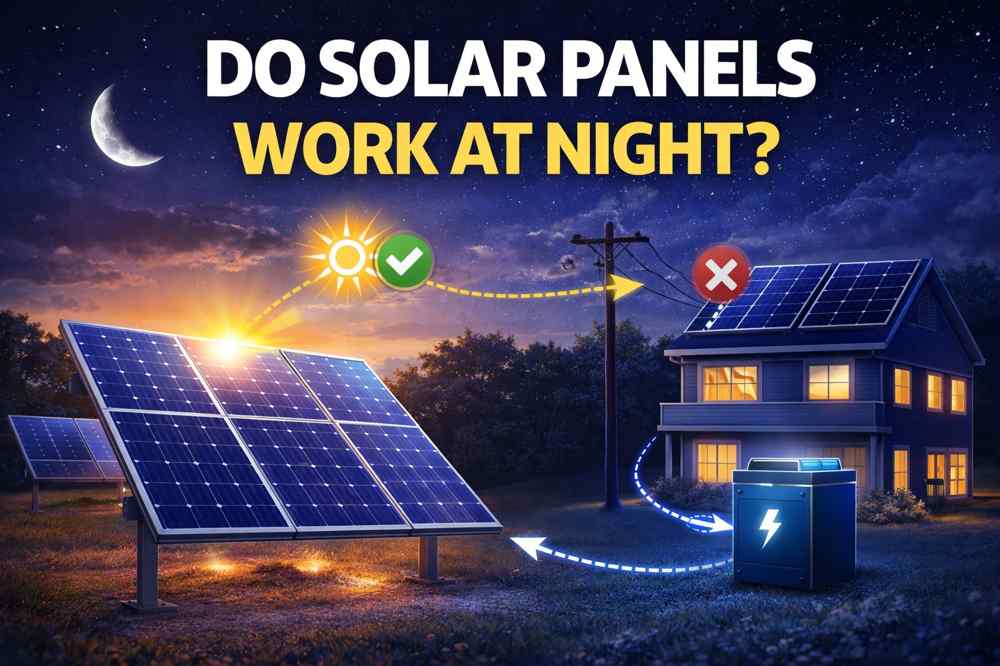
“Solar only works when the sun is shining.”
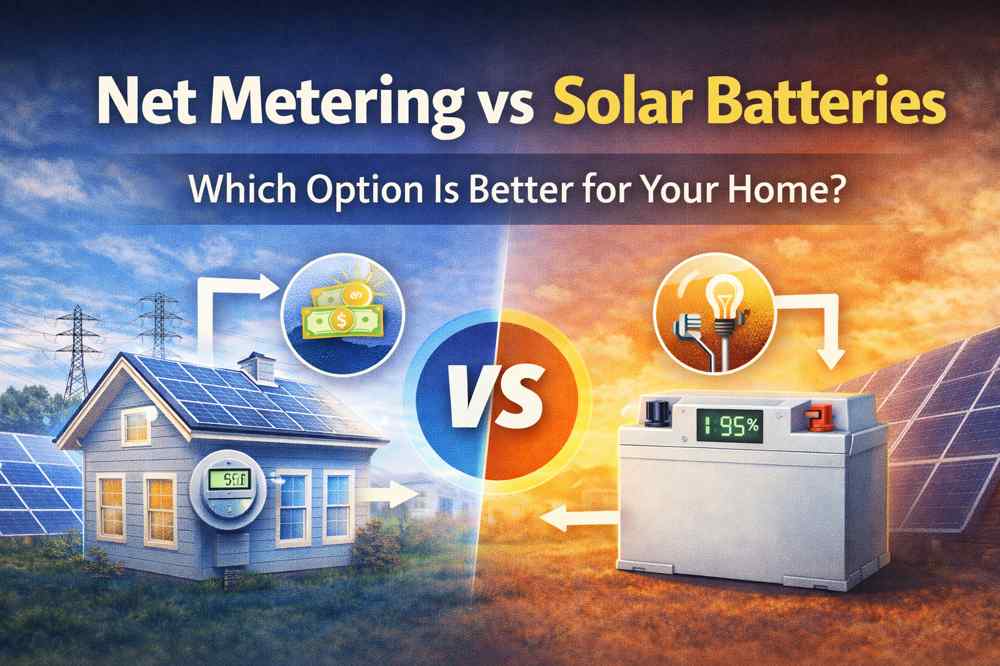
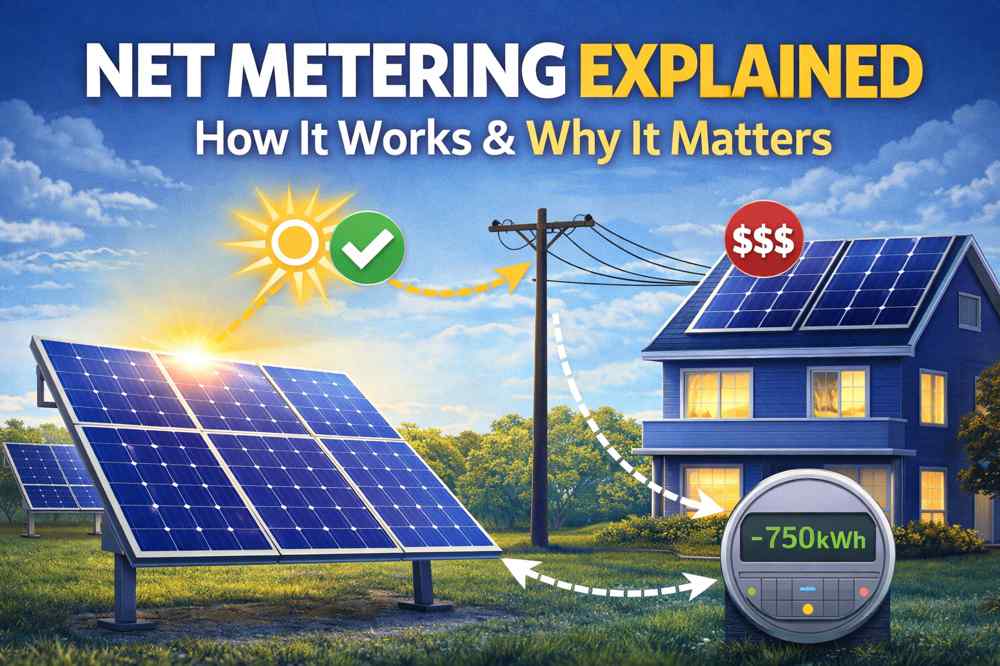
While production is highest in direct sunlight, panels still generate electricity on cloudy days. Batteries and net metering further support reliability.
“Solar is too expensive without subsidies.”
Costs have dropped over 70% in the last decade. Even without incentives, many homeowners achieve attractive long-term savings.
“A battery is required for solar to work.”
Grid-tied solar systems operate perfectly without batteries. Storage is optional and mainly used for backup power or energy independence.
Understanding these points provides clarity around what is solar photovoltaic energy and how it performs in real-world scenarios.
Solar photovoltaic energy has become one of the most important technologies in the global shift toward clean, reliable, and cost-effective energy. By understanding how solar PV works, what equipment is required, and how the economics stack up, homeowners can make confident, strategic energy decisions.
For those looking to reduce installation costs while maintaining full eligibility for incentives, AceFlex DIY Solar Kits offer a streamlined, affordable solution. Explore our solar kits and components to start building your system and harness the full potential of solar PV for your home.

Solar PV energy is used to generate clean electricity for homes, businesses, electric vehicles, appliances, and utility-scale energy systems. It replaces or supplements grid electricity with a renewable energy source.
Most solar panels carry 25–30 year performance warranties and often continue producing electricity well beyond that period with gradual, predictable degradation.
Yes. Solar panels can still produce electricity from indirect sunlight, though output is reduced compared to clear, sunny conditions.
For most households, yes. With lower equipment prices, strong incentives, and rising electricity rates, solar PV offers compelling long-term savings and a stable payback period.
Homes with solar systems typically command higher resale prices, thanks to reduced operating costs and long-term energy savings.
Yes. DIY Solar Kits make it possible for homeowners to install systems themselves while still remaining eligible for federal incentives, as long as local permitting and electrical requirements are met.
The most common disadvantages include variability in energy production due to weather conditions, the upfront investment required for equipment and installation, and the need for adequate roof space or land to achieve meaningful energy output. However, incentives and falling costs have reduced these challenges significantly.
In most cases, yes. Roof-mounted solar panels are typically considered part of the home’s structure and are covered under standard homeowners insurance policies. Coverage often includes damage from fire, hail, wind, and other common risks, though policies may vary by provider.
Quality solar panels are engineered to withstand severe weather, including heavy rain, strong winds, and hail within certified testing limits. In extreme storms, damage is possible, but rare—and usually covered by homeowners insurance. Proper installation and racking also play a major role in ensuring storm resilience.