Solar panel efficiency is one of the most important factors when choosing a photovoltaic system. It determines how much sunlight a solar panel can convert into usable electricity.
For homeowners and solar installers in the United States, understanding solar panel efficiency helps optimize system performance, reduce installation space requirements, and improve long-term energy output.
In this guide, we explain how solar panel efficiency works, what affects it, and how to choose high-efficiency solar modules for your system.
If you want a broader overview of solar technology first, read our guide:
Solar Panels Explained: Types, Efficiency, Costs, and How to Choose the Right One

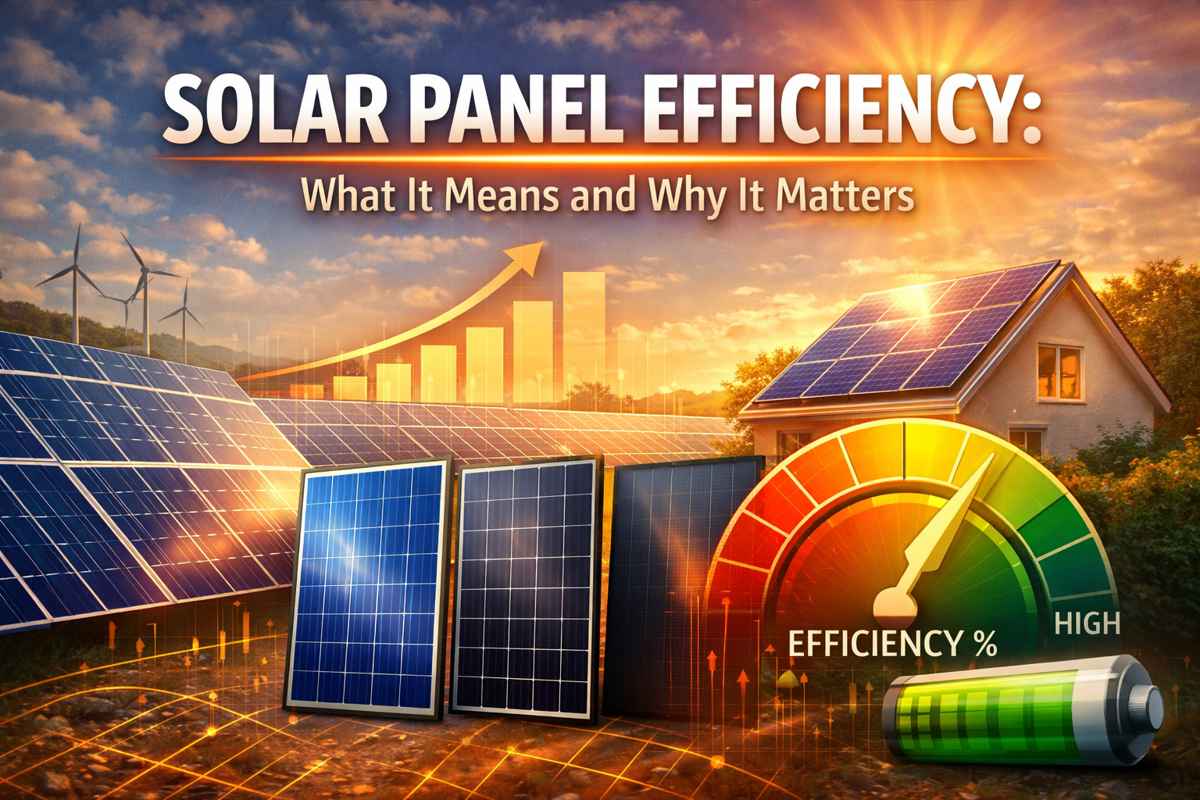
Solar panel efficiency describes the percentage of sunlight that a photovoltaic (PV) module converts into electricity.
For example, a solar panel with 22% efficiency converts 22% of the sunlight hitting the panel into usable electrical energy. The remaining energy is lost as heat or reflected light.
Higher efficiency means more electricity generated per square foot, fewer panels required for the same system size, and better performance on smaller rooftops. This is why high-efficiency panels are especially valuable for residential solar installations.
Modern solar panels are far more efficient than early photovoltaic technology.
Typical efficiency ranges today are:
| Panel Type | Typical Efficiency |
|---|---|
| Polycrystalline | 15–17% |
| Standard Monocrystalline | 18–20% |
| High-Efficiency Monocrystalline | 20–23% |
| Premium N-Type TOPCon / HJT | 22–24% |
Many modern panels now exceed 22% efficiency, thanks to advanced cell technologies such as N-Type cells, TOPCon technology, heterojunction (HJT) cells, and half-cut cell designs.
According to the National Renewable Energy Laboratory’s photovoltaic cell efficiency chart, researchers track the highest confirmed conversion efficiencies across different solar cell technologies to measure progress in photovoltaic performance.
The chart documents how solar cell technologies have steadily improved over time as new materials and designs increase energy conversion efficiency.
Several factors influence how efficiently solar panels convert sunlight into electricity.
The type of photovoltaic cell is the biggest efficiency factor. Monocrystalline panels typically achieve the highest efficiencies because they use high-purity silicon crystals. Newer technologies such as N-Type TOPCon cells reduce energy loss and improve long-term performance.
Solar panels operate less efficiently at high temperatures. This is why panels have a temperature coefficient, which indicates how performance decreases as temperature rises. High-quality panels are designed to minimize this loss.
Efficiency also depends on sun angle, cloud cover, shading, and geographic location. Panels installed in high-sun regions such as California, Arizona, or Texas typically produce more electricity than those in northern climates.
Modern design improvements can increase efficiency, including half-cut solar cells, multi-busbar designs, bifacial technology, and anti-reflective glass coatings. These innovations help capture more sunlight and reduce electrical losses.
Not always. Solar panel power output (watts) and efficiency are related but not identical.
A panel can produce higher wattage simply because it is larger. Efficiency measures how effectively the panel converts sunlight, not its total power rating.
For example, a 440W panel with 22% efficiency may have a similar size to a 410W panel with 20% efficiency, but it produces more power from the same area. This becomes particularly important when roof space is limited.
In many situations, yes. High-efficiency solar panels offer several advantages.
They produce more electricity from limited roof space, reduce installation complexity, and can increase long-term energy production.
However, they may also cost slightly more per panel. For homeowners with large roof space, lower-efficiency panels can still provide excellent value.
When selecting solar panels, efficiency should be evaluated alongside other factors.
Important considerations include power rating, warranty length, degradation rate, manufacturer reputation, and price per watt.
If you are comparing solar modules, our guide How Do I Calculate How Many Solar Panels I Need? explains how to determine the correct system size.
Many manufacturers now offer high-performance solar modules designed for residential and commercial systems.
Examples include N-Type TOPCon panels, bifacial solar modules, and premium monocrystalline panels with efficiencies above 22%.
These technologies allow modern solar systems to generate significantly more energy than systems installed just a decade ago.

Solar panel efficiency plays a major role in determining how much electricity your system can generate.
Higher efficiency panels produce more power from the same installation area, making them ideal for residential rooftops and space-constrained installations.
However, efficiency is only one part of the equation. The best solar system balances efficiency, cost, reliability, and system design.
By understanding how solar panels work and what affects their performance, homeowners and installers can make better decisions when building solar energy systems.
If you want to explore which solar modules currently perform best, AceFlex has a helpful guide on top rated solar panels. As the article notes, “not all solar panels perform the same” and ratings help homeowners evaluate efficiency, durability, and long-term return on investment when comparing different panel technologies.

Most modern solar panels have efficiencies between 18% and 22%. Panels above 21% efficiency are generally considered high-efficiency modules.
Currently, N-Type TOPCon and heterojunction (HJT) solar cells are among the most efficient commercial technologies available.
Higher efficiency panels can generate more electricity from the same roof space, which may increase energy savings over time.
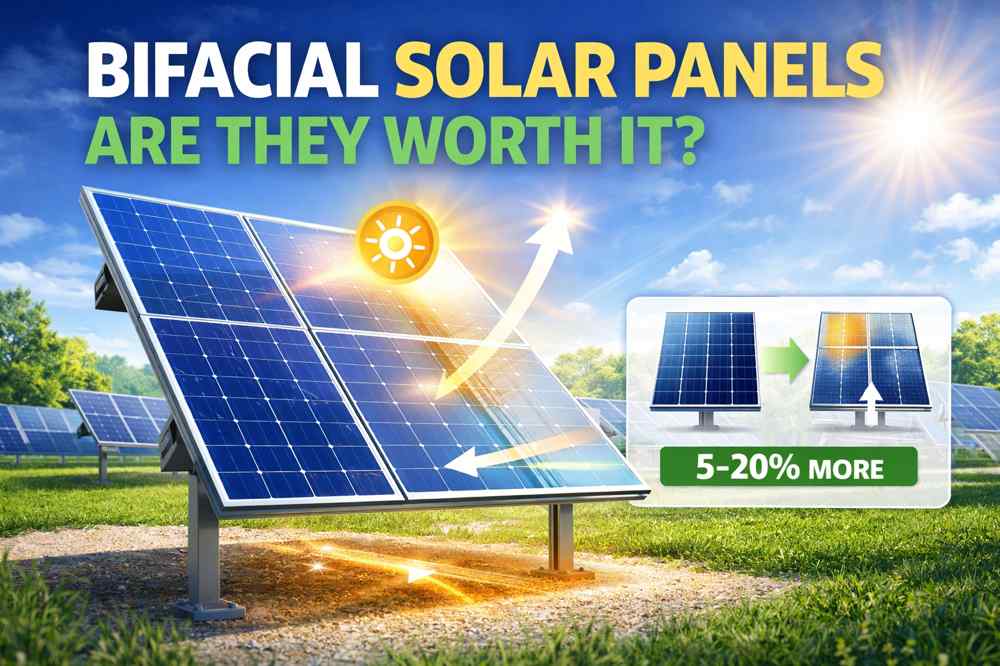
Bifacial panels can generate additional electricity from reflected sunlight hitting the rear side of the panel, increasing total energy production.