Choosing the best solar inverter for home systems is a critical decision that directly affects performance, efficiency, and long-term reliability.
While solar panels generate electricity, the inverter determines how effectively that energy is converted and used. A high-quality inverter can improve system output, enable battery integration, and provide advanced monitoring capabilities.
In this guide, we break down what makes a great inverter, compare different types, and help homeowners choose the right option for residential solar systems in the United States.
Before selecting an inverter, it is important to understand its role within the system. As explained in solar inverters: how they work & why they matter, the inverter is responsible for converting energy and directly impacts overall system performance.

Not all inverters are equal. The best solar inverters combine performance, reliability, and flexibility.
Key factors include:
Most modern inverters operate at:
Higher efficiency means less energy loss during conversion.
Inverters typically last:
High-quality models reduce failure risk and replacement costs.
Modern inverters offer:
A good inverter should work seamlessly with:
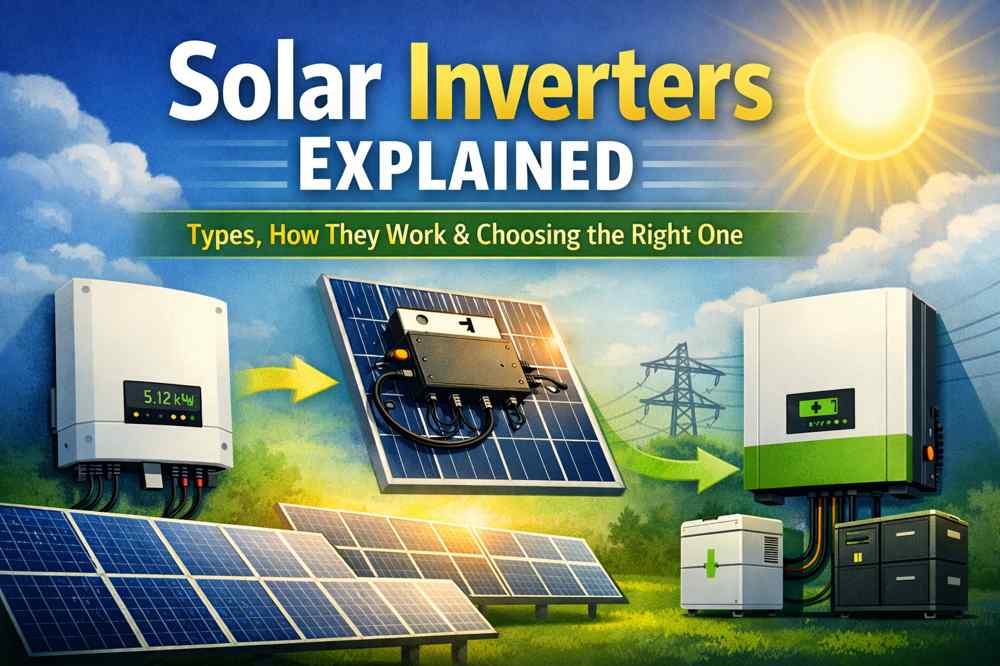
Choosing the right type is more important than choosing a brand.
Best for:
Advantages:
Best for:
Advantages:
Microinverters offer panel-level optimization and improved performance in shaded conditions. For a deeper dive, see our full guide on micro inverters.
Best for:
Advantages:
Hybrid inverters are becoming increasingly popular because they allow seamless integration of battery storage and energy management. Learn more in hybrid inverters: the future of solar power storage.
Instead of focusing only on brand names, homeowners should evaluate the system as a whole.
However, top-tier inverter solutions typically include:
Choosing the best inverter often comes down to system design.
The right choice depends on shading, roof complexity, and long-term goals.
For a detailed breakdown of performance, cost, and efficiency differences, see string inverter vs microinverter: which solar inverter is better.
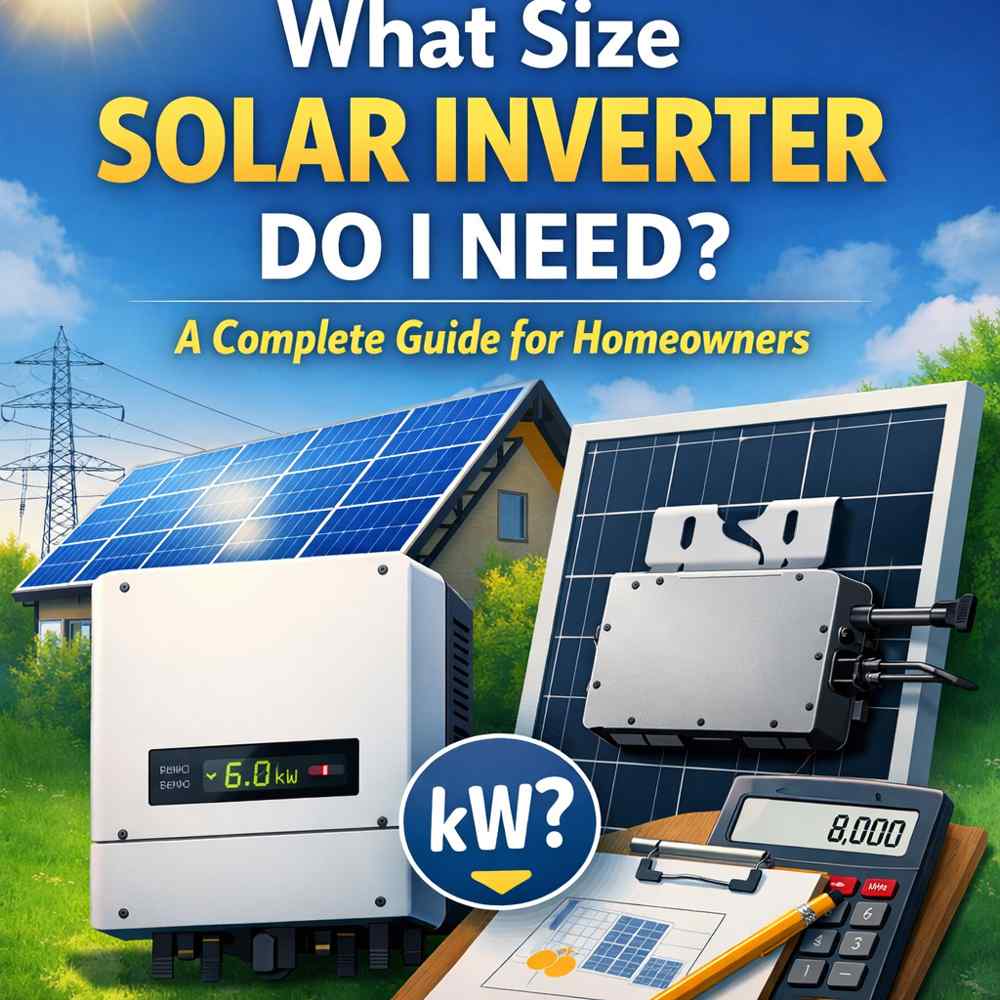
Sizing is critical.
A properly sized inverter ensures:
Most systems use a DC-to-AC ratio of 1.1–1.25.
Battery integration is becoming increasingly important.
Hybrid inverters allow:
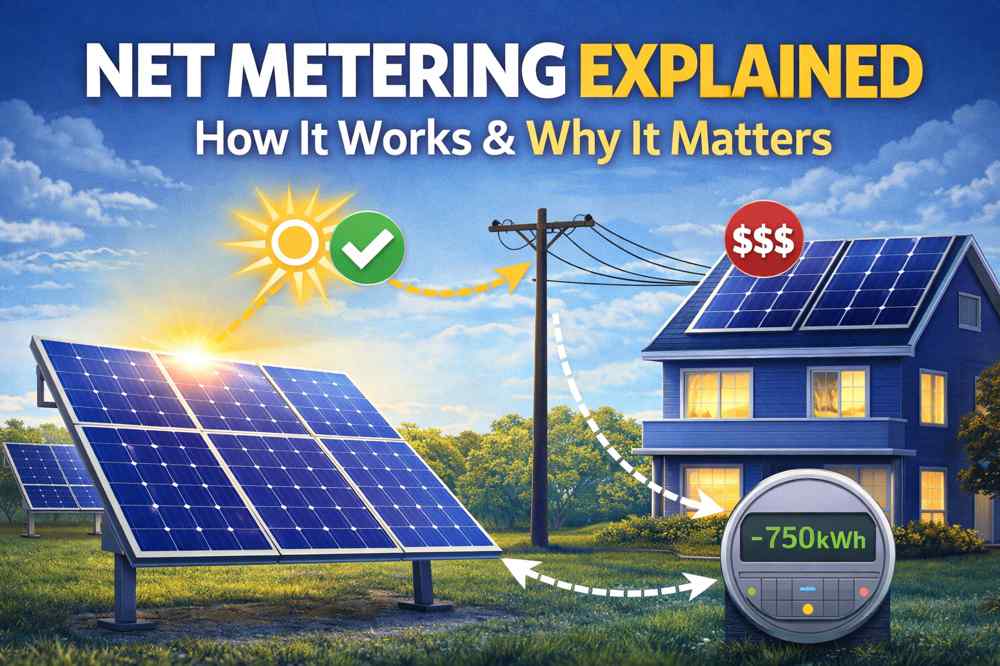
This is especially relevant as net metering policies evolve.
Typical price ranges:
While cheaper options exist, quality should be prioritized over price.
When choosing an inverter, avoid:
These mistakes can reduce system efficiency and ROI.
A complete solar system includes:
The inverter is a central component that determines how efficiently your system operates.
Choosing the right inverter is essential for long-term system performance.
Preconfigured solar kits simplify the process by ensuring compatibility between components.
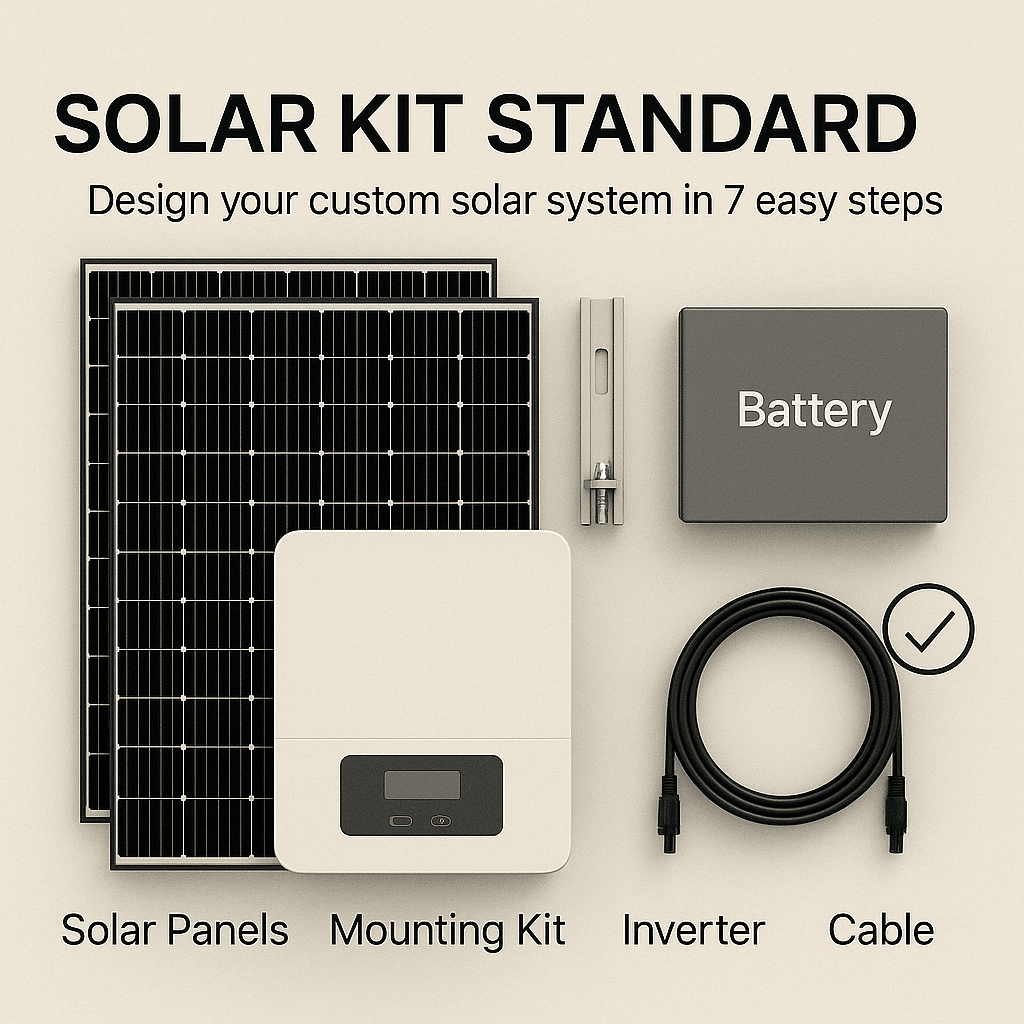
🔆 Standard Solar Kit – Your Custom Solar System in 7 Guided Steps
Design your solar setup with full flexibility and pre-configured mounting: choose solar panels, inverter, battery, mounting kit, wiring essentials, combiner, and accessories – all step by step and fully compatible.
✅ Includes mounting material from K2 Systems for standard layouts
✅ Choose only the components you need
✅ DIY-friendly and pre-checked for compatibility
✅ 🎁 Battery discount included when bundled
AceFlex provides carefully selected inverters, solar panels, batteries, and DIY solar kits designed for residential solar systems in the United States.
The best solar inverter for home systems depends on your specific installation, budget, and energy goals.
String inverters offer cost efficiency, microinverters provide performance advantages, and hybrid inverters enable future flexibility with battery storage.
Selecting the right inverter ensures maximum efficiency, reliability, and long-term value for your solar investment.
It depends on your system. Microinverters are best for performance, while string inverters are more cost-effective.
Yes, they often provide better efficiency and reliability.
Typically 10–15 years.
If you plan to add a battery, yes.
Most high-quality inverters operate at 95–98% efficiency.