Information checked October 18, 2026.
Solar equipment is a substantial purchase, and the financial assumptions behind it deserve the same attention as the product specifications. If you are planning a new home solar installation in 2026, one of the first checks is whether the incentives in your quote still apply.
Many older solar guides describe a 30% federal tax credit as part of the expected project savings. That assumption needs updating. This guide explains the current federal residential position and provides a practical framework for comparing equipment and project costs.
What Changed With the Federal Solar Tax Credit?
The IRS states that the Residential Clean Energy Credit, also known as Section 25D, is not available for property placed in service after December 31, 2025. The 30% rate applied to qualifying home clean-energy property installed from 2022 through that deadline.
For a new homeowner-owned installation placed in service in 2026, your budget should therefore exclude this federal residential credit. That is the starting point for evaluating a new purchase, whether you are comparing panels alone or a project that also includes batteries.
Why the Installation Date Matters
For the residential credit, the IRS distinguishes installation from purchasing equipment. A product invoice is not, by itself, evidence that a completed installation qualifies.
Keep the following questions separate when reviewing paperwork:
- When was the equipment ordered and paid for?
- When was installation completed?
- Which specific tax provision is being claimed?
- Which documents support the claim?
The 2025 Form 5695 instructions confirm the termination of the residential clean-energy credit for expenditures after the end of 2025. If your project crossed the deadline or involved several stages, have a tax professional review the actual records.
What About Unused Credits From an Earlier Project?
A previously earned credit and a credit for a new installation are different matters. The IRS timing FAQs explain that unused qualifying credits may be carried forward to reduce tax liability in future years. If you have an earlier balance, review it with your tax preparer. Do not treat that balance as a new benefit generated by equipment purchased today.
How to Build a More Useful Solar Budget
A good comparison starts with the full price of the project. Keep equipment costs, installation costs, incentives, financing, and expected operating savings visible as separate items. This makes it easier to identify exactly why two proposals differ.
Suggested categories for comparing project quotes| Budget item | What to check |
|---|
| Equipment | Exact models, quantities, package contents, and required accessories. |
|---|
| Delivery | Charges for your location and any arrangements needed at the delivery address. |
|---|
| Installation and other work | Written scope for mounting, electrical work, and any project-specific requirements. |
|---|
| Financing | Up-front payments, fees, interest, repayment terms, and total amount payable. |
|---|
| Incentives | Program name, current rules, verified eligibility, and who receives the benefit. |
|---|
| Bill savings | Assumptions about production, consumption, rates, and export compensation. |
|---|
Do not compare a retailer’s equipment-only price with an installer’s complete project price as though they cover the same scope. Ask each provider to identify what is included and what still needs to be purchased or arranged.
Check Local Rates and Programs Separately
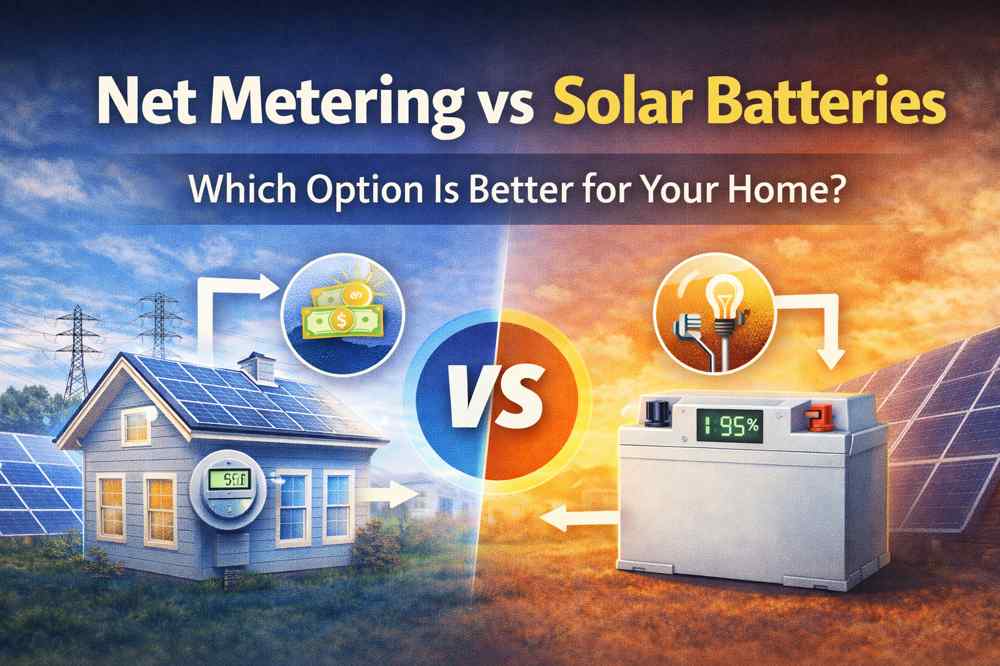
The Department of Energy’s Homeowner’s Guide to Solar explains that electricity use, system production, utility rates, and compensation for exported power affect savings. Net-metering arrangements depend on the state and utility.
Use the utility’s current tariff for your address. If a state, local, or utility incentive appears in a quote, ask the program administrator to confirm the relevant requirements. A national article cannot establish the outcome for every customer.
Illustrative Example: Removing an Outdated Assumption
Suppose a comparison sheet shows a hypothetical $20,000 project and subtracts $6,000 for an assumed 30% Section 25D credit. The resulting $14,000 figure is not an appropriate budget for a new 2026 installation under the current residential rule.
For that hypothetical project, start with the full $20,000, then evaluate any separately verified programs. This example illustrates the effect of an assumption; it is not an AceFlex quote or an estimate of the cost of your project.
Questions to Ask Before Buying Solar Equipment
- Does the proposal clearly identify each incentive rather than combine them into one discount?
- Are the quoted rules current, and is an official source provided?
- Does the proposal distinguish equipment ownership from other contract arrangements?
- Are all equipment quantities and installation responsibilities specified?
- Can you review the total cost without assuming an incentive or future electricity-price increase?
If a proposal involves business use, a lease, or another third-party ownership arrangement, obtain advice for that arrangement. The homeowner Section 25D rule should not be used as a shortcut for assessing every type of solar project.
Product and Order Support From AceFlex
AceFlex is an online retailer of solar panels, inverters, and batteries. We can assist with specifications, product availability, quantities, and order questions. Your installer should confirm the equipment combination and final design.
Use our Before You Buy checklist, browse solar panels, or contact us with the model, quantity, and delivery ZIP code.
FAQ — Federal Solar Tax Credit in 2026
Can I assume a 30% federal residential credit for a new installation?
No. Use the current IRS eligibility guidance and exclude Section 25D for property placed in service after the 2025 deadline.
Is buying equipment enough to establish eligibility?
No. Purchasing and installation are different events. Review the project records and the applicable rules with a tax professional.
Does this article cover every possible solar incentive?
No. It addresses the federal homeowner credit. Verify any other program directly with its administrator before including it in your budget.
Can AceFlex assess my tax return?
Our support concerns products and orders. A qualified tax professional should assess your individual tax position.
Sources and Information Date
Checked October 18, 2026: IRS Residential Clean Energy Credit; 2025 Form 5695 instructions; IRS timing FAQs; and DOE Homeowner’s Guide to Solar for utility-rate and savings considerations. Federal tax information here follows the current IRS guidance. This article is general information, not individual tax advice.