Investing in solar battery storage is a long-term decision. To maximize performance and return on investment, proper solar battery maintenance is essential.
While modern batteries—especially lithium-based systems—require less maintenance than older technologies, they are not completely maintenance-free. Understanding how to care for your battery can significantly extend its lifespan and ensure consistent performance.
To understand proper maintenance, it is important to first look at how solar batteries work and why they are used in residential systems.
The level of maintenance depends on the battery type.
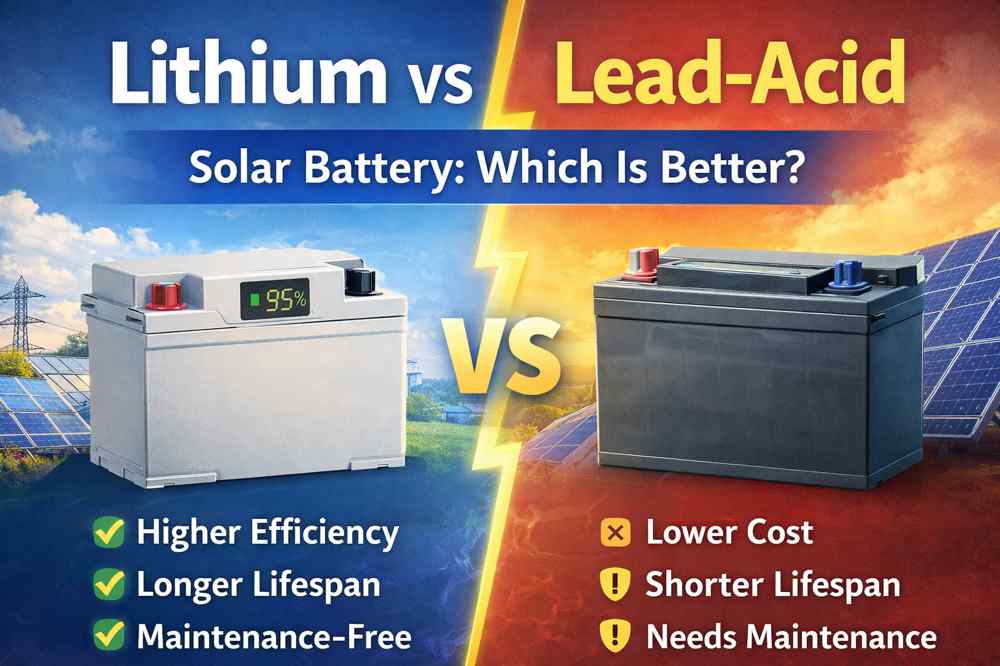
Different battery technologies require different maintenance approaches. Learn more in our comparison of lithium vs lead-acid solar batteries.
Proper maintenance starts with understanding what impacts battery health.
Batteries perform best in moderate conditions.
Frequent full charge/discharge cycles:
Moderate cycling improves longevity.
A well-designed system reduces maintenance needs.
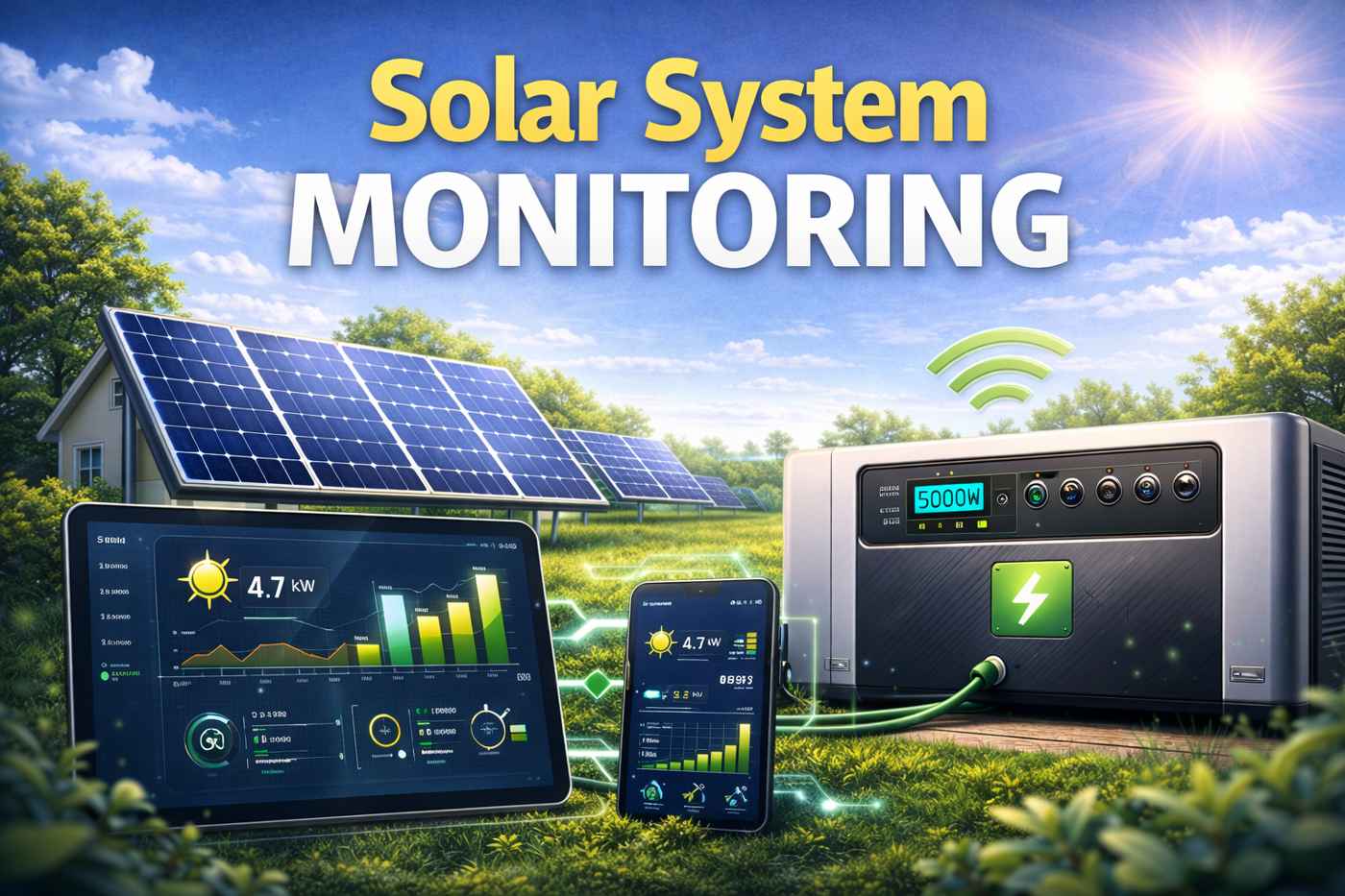
Use monitoring tools to:
Even low-maintenance systems benefit from:
Ensure compatibility between:
This improves efficiency and reduces stress on the system.
| Feature | Lithium Battery | Lead-Acid Battery |
|---|---|---|
| Maintenance | Minimal | Regular |
| Monitoring | Built-in | Manual checks |
| Lifespan | Longer | Shorter |
| Ease of Use | High | Lower |
Lithium batteries require significantly less maintenance, which is one of their main advantages.
Avoid these common errors:
These mistakes can shorten battery lifespan and reduce efficiency.
General guideline:
This ensures early detection of potential issues.
Watch for:
Early action prevents larger problems.
Proper maintenance directly impacts lifespan.
A well-maintained battery:
According to the U.S. Department of Energy, proper battery management is essential for long-term system performance.
Two systems:
System A:
System B:
Result:
System A lasts significantly longer.
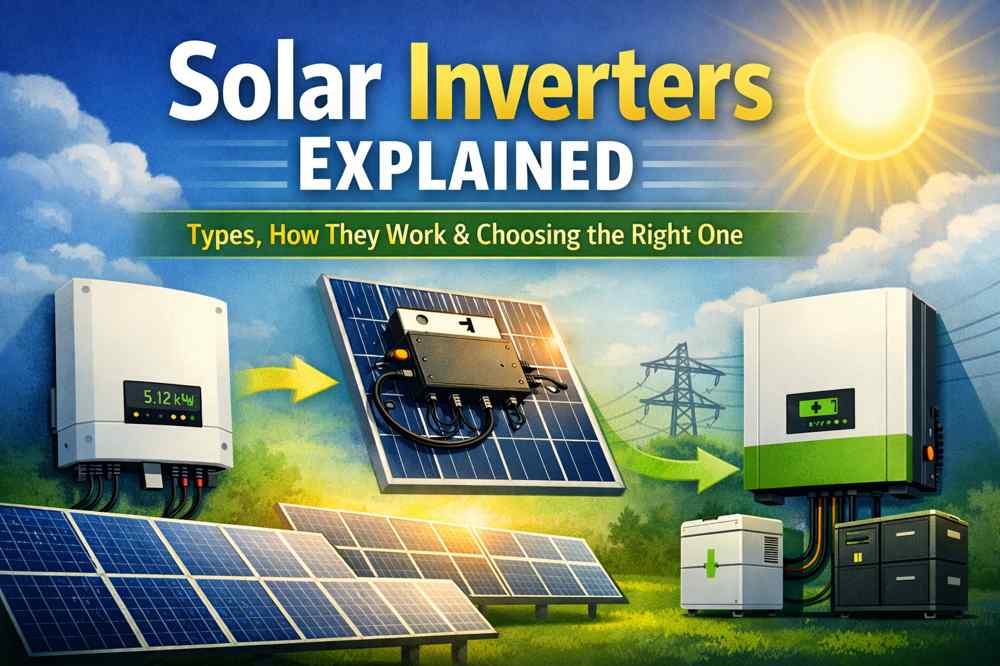
Modern solar systems are designed for efficiency and ease of use.
They include:
This reduces the need for manual maintenance.
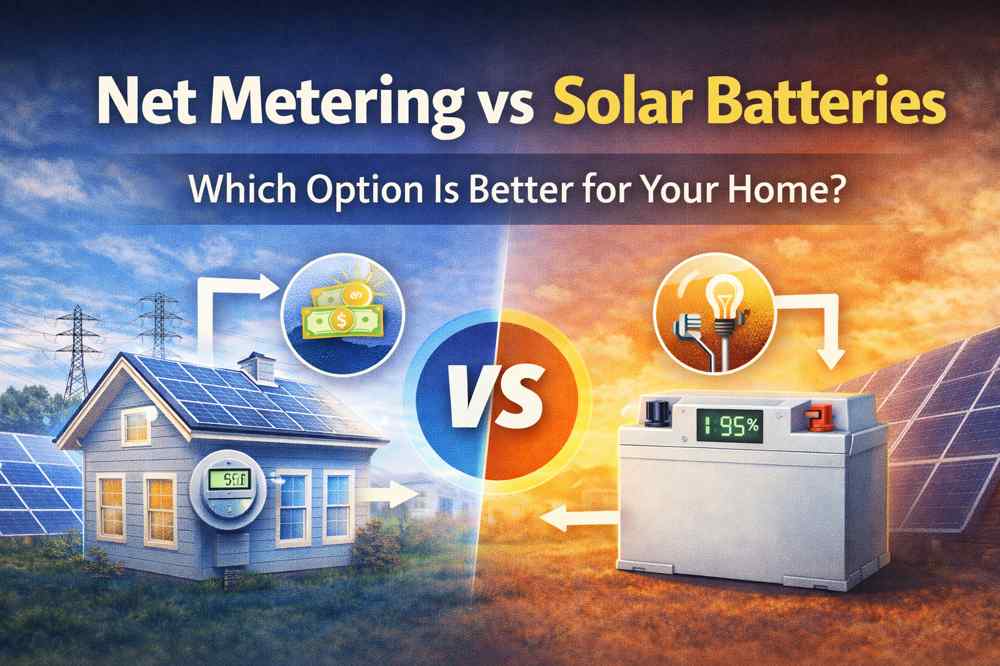
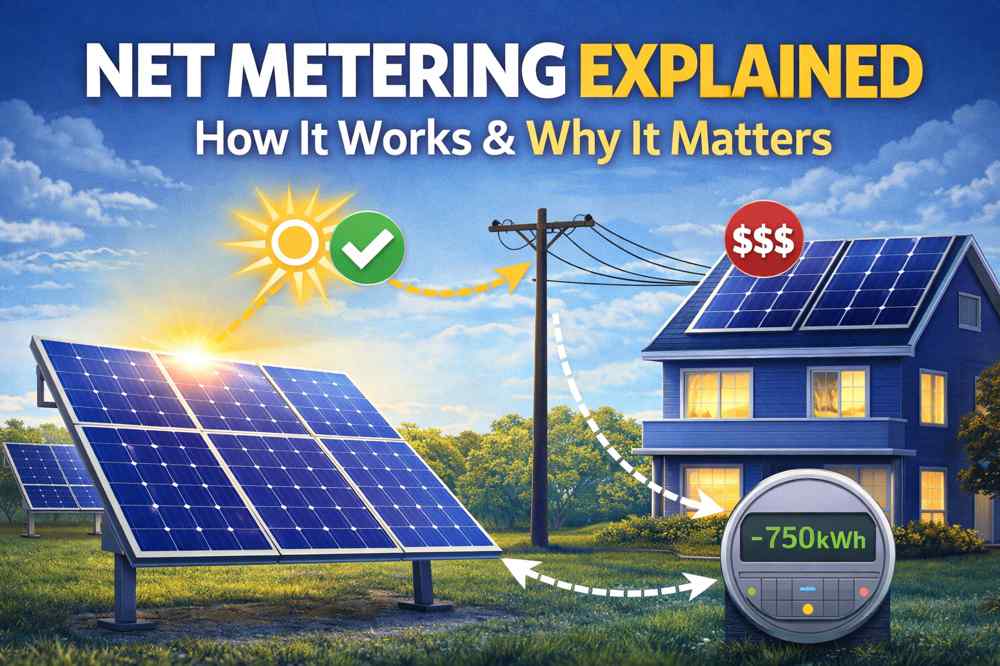
In systems that rely on net metering, excess energy is exported to the grid. However, with battery storage, this energy can be stored locally instead—making system performance and maintenance even more critical.
Choosing the right components is the first step toward low-maintenance solar systems.
Preconfigured systems ensure compatibility and long-term performance.
AceFlex provides carefully selected solar panels, inverters, batteries, and DIY solar kits designed for residential solar systems in the United States.

Proper solar battery maintenance is essential for maximizing performance, lifespan, and return on investment.
While modern batteries require minimal upkeep, factors like temperature, usage, and system design still play a critical role.
With the right approach, homeowners can ensure their solar battery system remains efficient and reliable for years.
Yes, but modern lithium batteries require minimal maintenance.
Avoid extreme temperatures, monitor performance, and use proper system design.
Monitor continuously, inspect every few months, and schedule annual checkups.
They are low-maintenance, but not completely maintenance-free.
Extreme temperatures and improper usage.