When homeowners consider solar energy, one of the most important concepts to understand is net metering. Many people ask how solar panels interact with the grid and how excess electricity is handled. This is where metering plays a critical role.
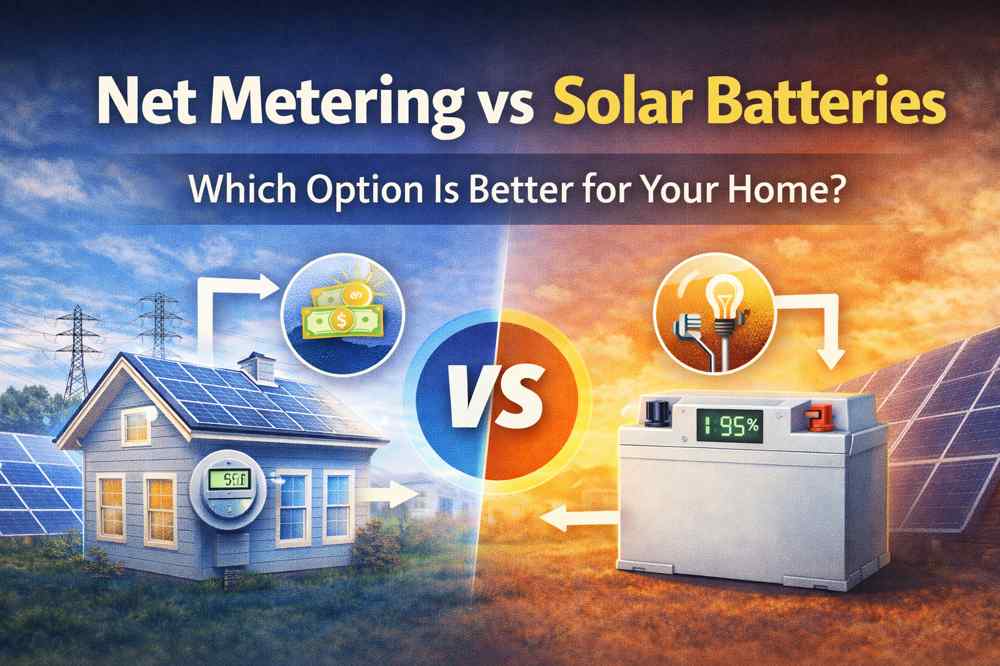
Net metering allows homeowners with solar panels for home systems to send excess electricity back to the grid and receive credits in return. These credits can then be used later, for example at night when solar panels are not producing energy.
In this guide, we explain how metering works, how it affects your electricity bill, and whether it still makes sense in today’s solar market.
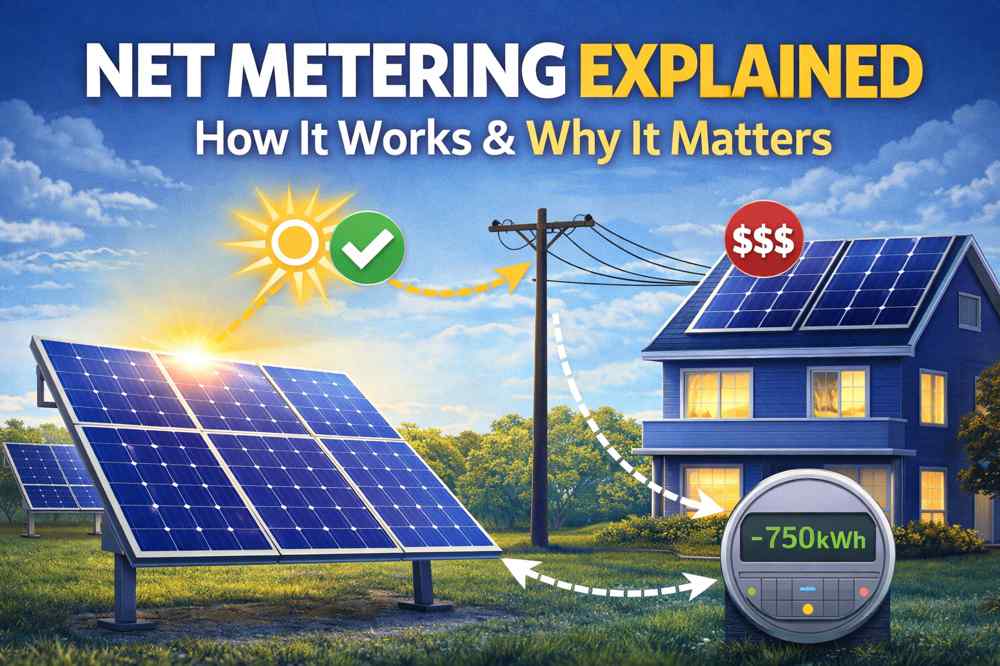
Net metering is a billing mechanism that allows homeowners to receive credit for excess solar energy they export to the grid.
When your photovoltaic panels produce more electricity than your home uses, the surplus is sent to the utility grid. In return, your utility provides credits that can offset future electricity usage.
In simple terms:
This makes solar energy more practical without requiring battery storage.
Net metering works by tracking the difference between electricity you consume and electricity you export.
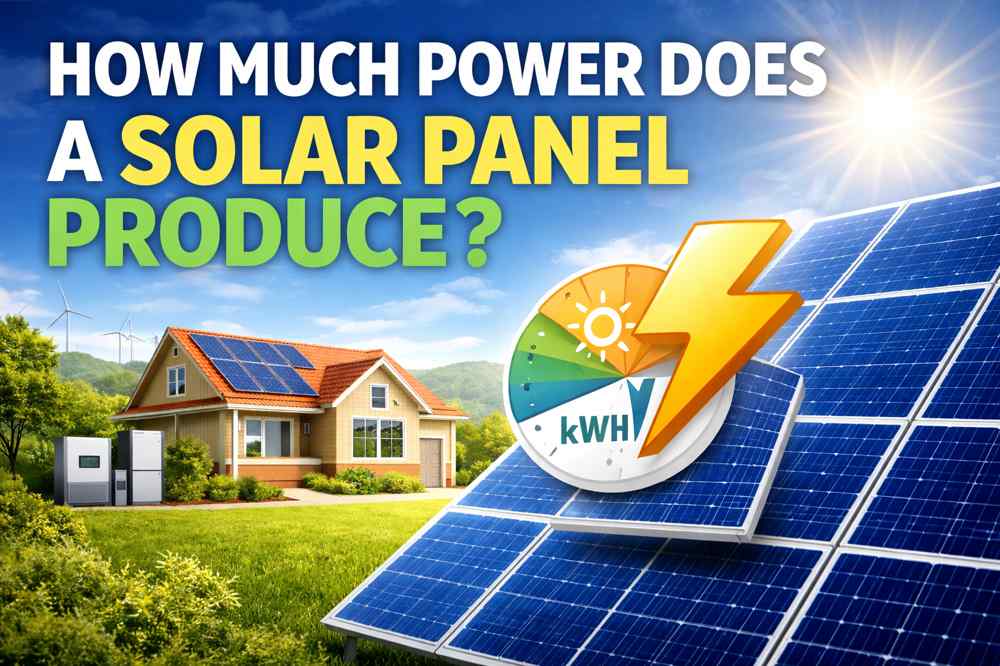
To better understand solar production, see how much power a solar panel produces.
With net metering, you are billed based on your energy usage.
Example:
Net usage:
200 kWh
You only pay for the difference.
This significantly reduces electricity bills for homeowners with solar systems.
Not all metering programs are the same. Policies vary by state and utility.
Understanding your local policy is essential before installing solar panels.
Find out here: Database of State Incentives for Renewables & Efficiency
Policies vary across the United States.
Some states offer strong programs, while others have reduced benefits.
States with historically strong metering include:
However, policies are evolving, so it is important to check current regulations.
Both help manage excess solar energy.
Many homeowners combine both for maximum flexibility.
Net metering offers several benefits:
It makes solar energy more accessible for homeowners.
There are also some limitations:
Because of this, system design should consider long-term policy changes.
The effectiveness of metering depends on system size.
A properly sized system maximizes energy credits.
To estimate your system size, read:
how to calculate how many solar panels you need
To benefit from metering, homeowners need a well-designed system that includes:
For a full overview of solar technology, see:
solar panels explained
Modern residential systems can be customized based on energy goals.
Preconfigured solar kits simplify installation by combining compatible components.
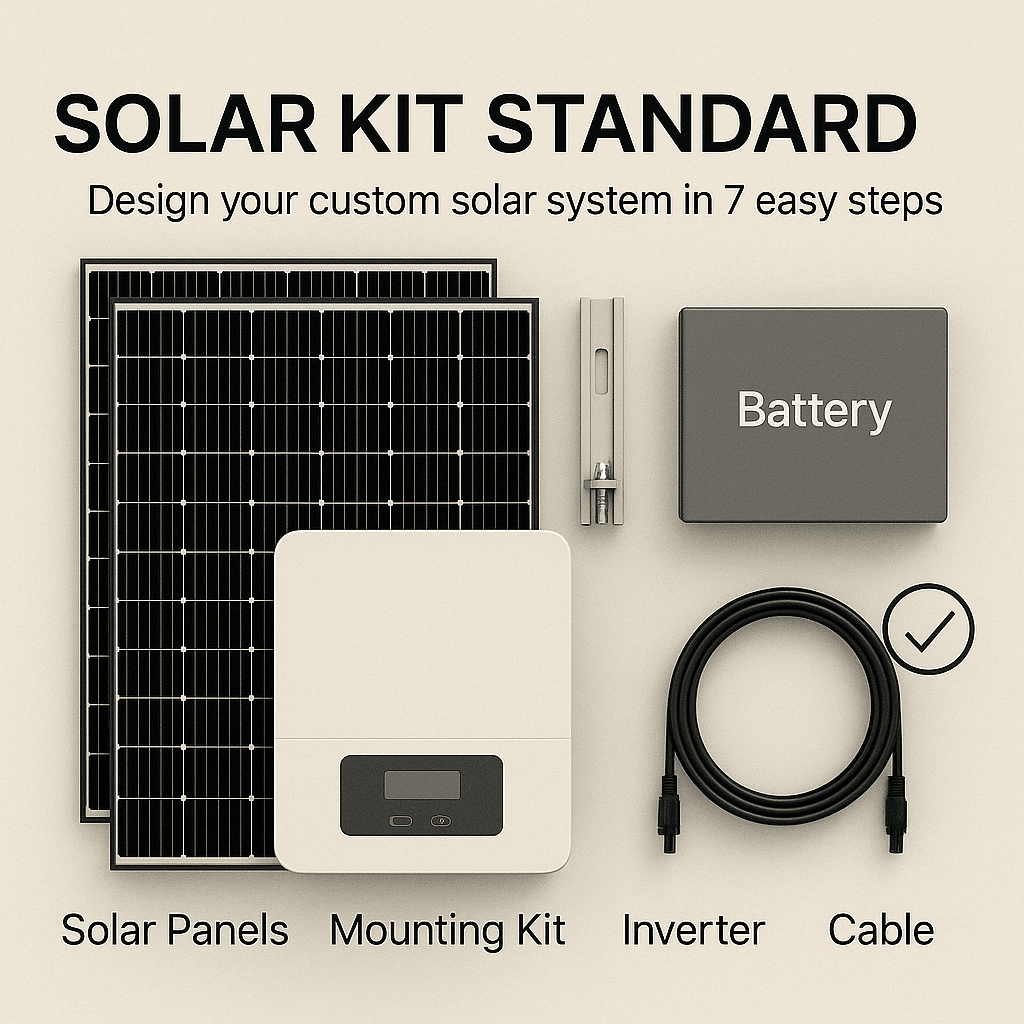
🔆 Standard Solar Kit – Your Custom Solar System in 7 Guided Steps
Design your solar setup with full flexibility and pre-configured mounting: choose solar panels, inverter, battery, mounting kit, wiring essentials, combiner, and accessories – all step by step and fully compatible.
✅ Includes mounting material from K2 Systems for standard layouts
✅ Choose only the components you need
✅ DIY-friendly and pre-checked for compatibility
✅ 🎁 Battery discount included when bundled
AceFlex provides carefully selected solar panels, inverters, batteries, and DIY solar kits designed for residential solar systems across the United States.

Net metering is one of the key factors that makes solar energy financially attractive for homeowners. By allowing excess electricity to be sent to the grid and credited for later use, it helps maximize the value of solar panels.
While policies are evolving, metering continues to play an important role in reducing electricity costs and improving return on investment.
Understanding how metering works is essential for designing an efficient solar system and making informed decisions about solar energy.
It is a system that credits homeowners for excess solar energy sent to the grid.
It reduces your electricity bill by offsetting energy usage with solar credits.
No, policies vary by state and utility provider.
It depends. Metering is cheaper, while batteries provide backup power.
In some states, credits may expire after a certain period.