Solar energy adoption in the United States continues to grow as homeowners look for ways to reduce electricity costs and increase energy independence. For many households, solar panel kits provide a convenient way to install a solar energy system without the complexity of sourcing individual components. Solar kits combine compatible equipment into a single package, making it easier to design and install a solar power system. These kits are popular among homeowners, DIY solar enthusiasts, and contractors looking for reliable equipment solutions. In this guide, we examine the best solar panel kits for homes, explain how these systems work, and highlight the factors homeowners should consider when choosing a solar kit.
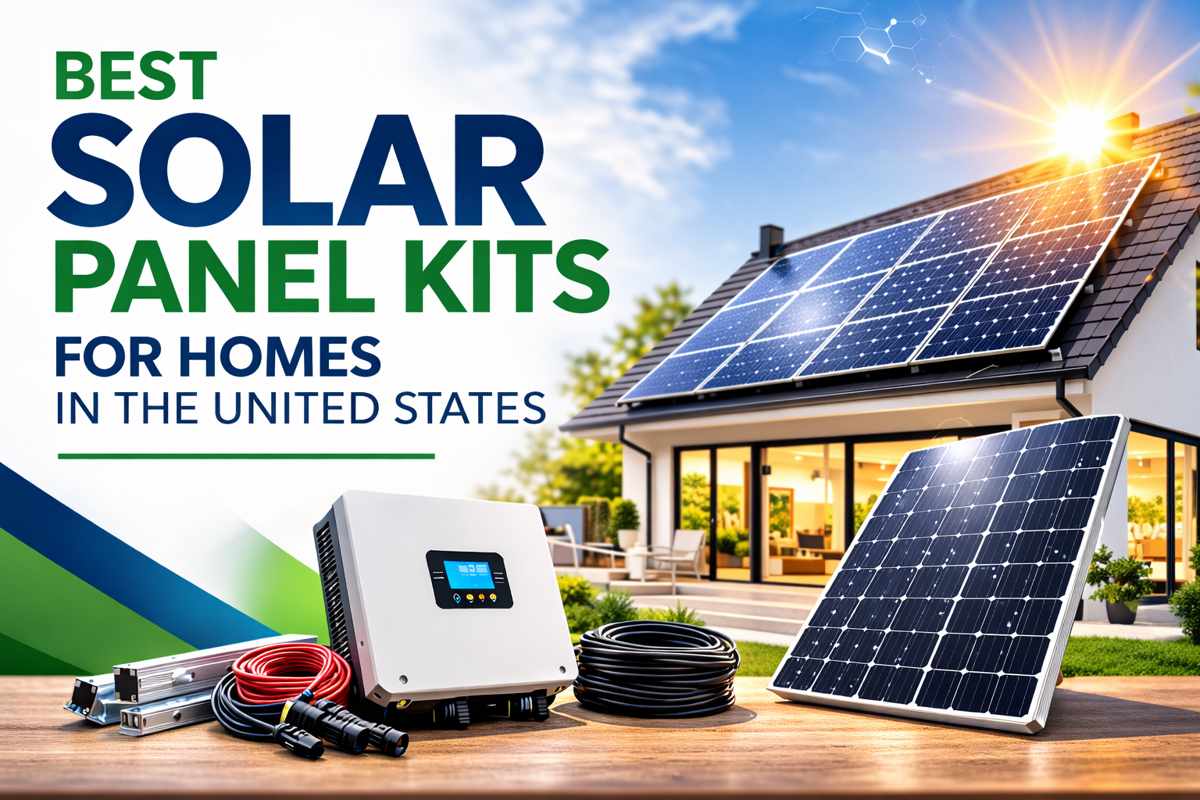
Solar panel kits are complete packages of solar equipment designed to simplify residential solar installations. Instead of purchasing each component separately, homeowners can select a kit that includes the key equipment required to generate solar electricity. Most solar kits include solar panels, a solar inverter, mounting hardware, electrical wiring and connectors, and a monitoring system. Some kits may also include battery storage for backup power and increased energy independence. By bundling these components together, solar panel kits ensure compatibility and reduce the complexity of system design.
Not all solar systems operate the same way. The best solar kit for your home depends largely on how the system interacts with the electric grid.
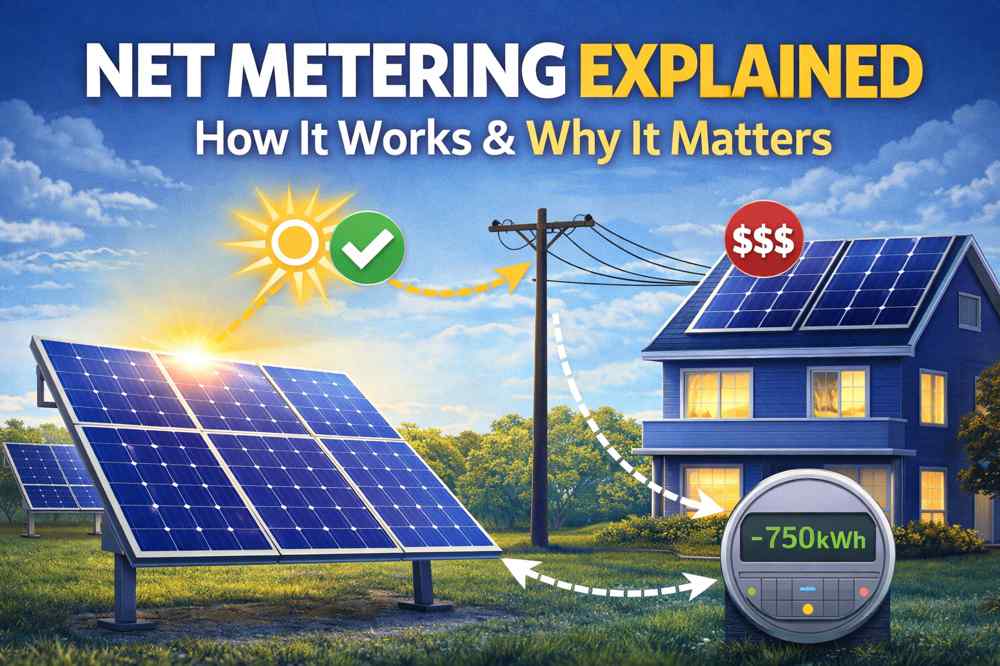
Grid-tied systems are connected to the local utility grid and are the most common residential solar systems in the United States. These systems allow homeowners to use solar energy during the day, draw electricity from the grid when needed, and export excess electricity through net metering programs. Grid-tied solar kits typically have lower upfront costs because they do not require battery storage.
Hybrid solar systems combine grid connection with battery storage. These systems provide backup power during outages, greater energy independence, and the ability to store excess solar energy generated during the day. Hybrid systems are becoming increasingly popular as solar battery technology improves.
Off-grid systems operate independently from the utility grid and rely entirely on solar panels and battery storage. These systems are often used for remote homes, cabins, and rural properties without grid access. Because they require large battery banks, off-grid systems are generally more complex and expensive.
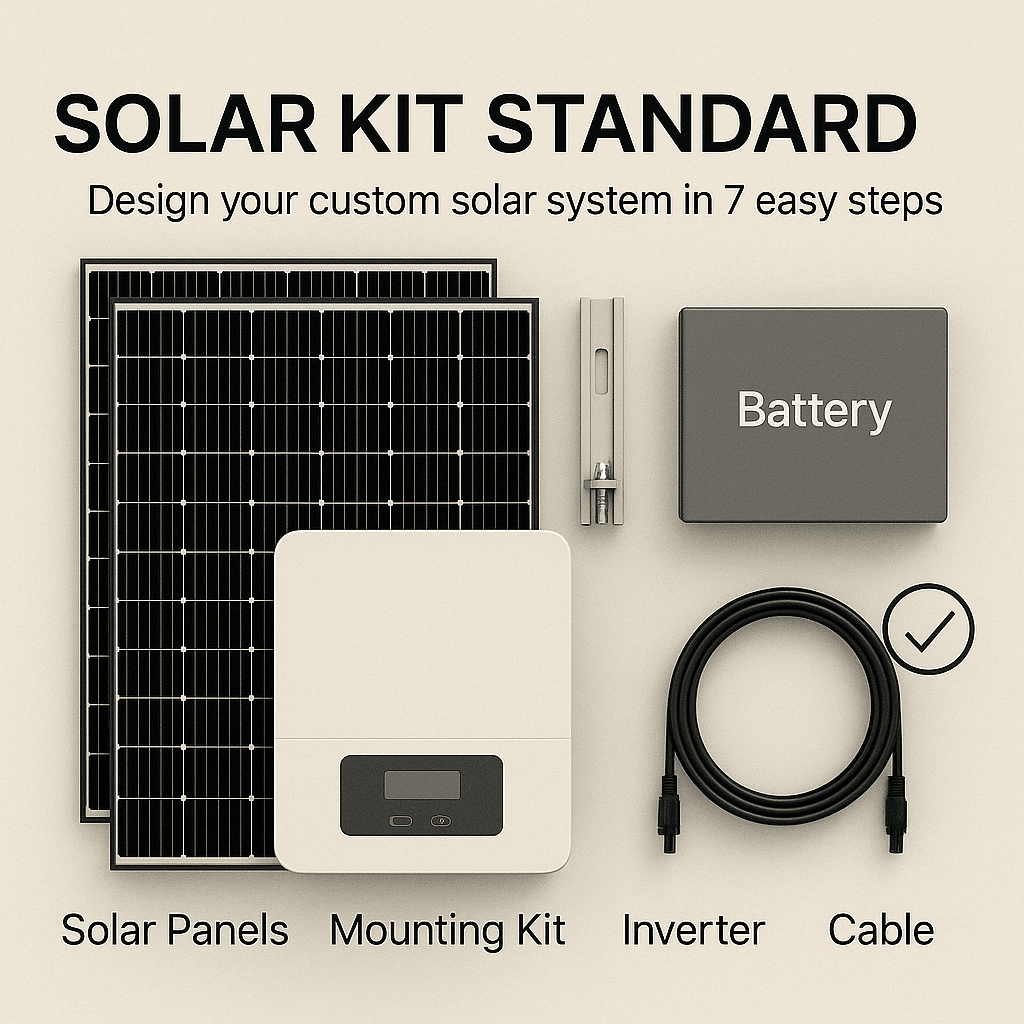
🔆 Standard Solar Kit – Your Custom Solar System in 7 Guided Steps
Design your solar setup with full flexibility and pre-configured mounting: choose solar panels, inverter, battery, mounting kit, wiring essentials, combiner, and accessories – all step by step and fully compatible.
✅ Includes mounting material from K2 Systems for standard layouts
✅ Choose only the components you need
✅ DIY-friendly and pre-checked for compatibility
✅ 🎁 Battery discount included when bundled
The performance and reliability of a solar system depend on the quality of its components.
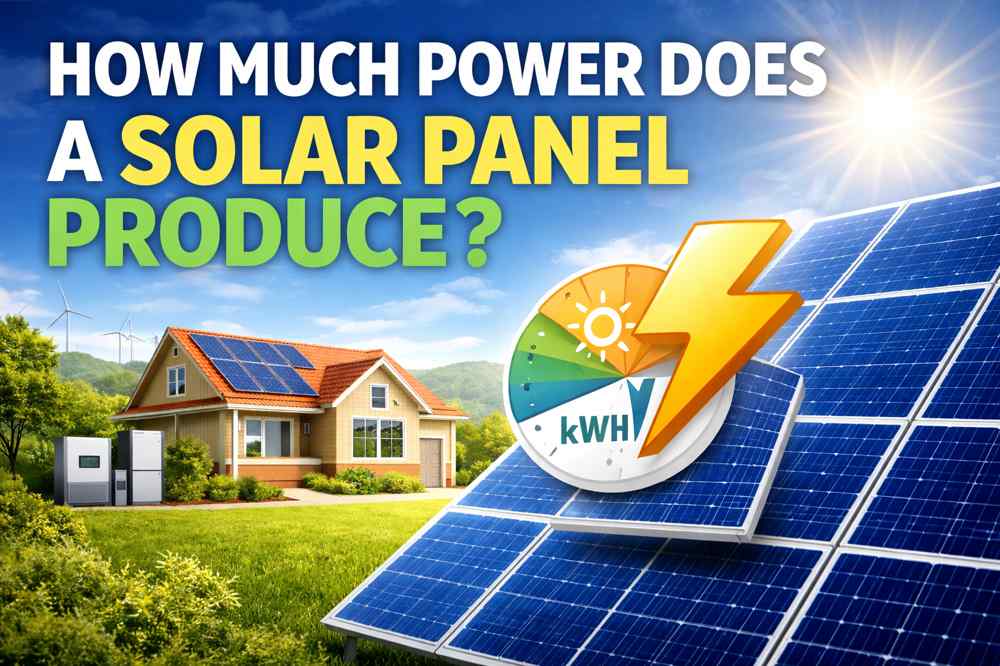
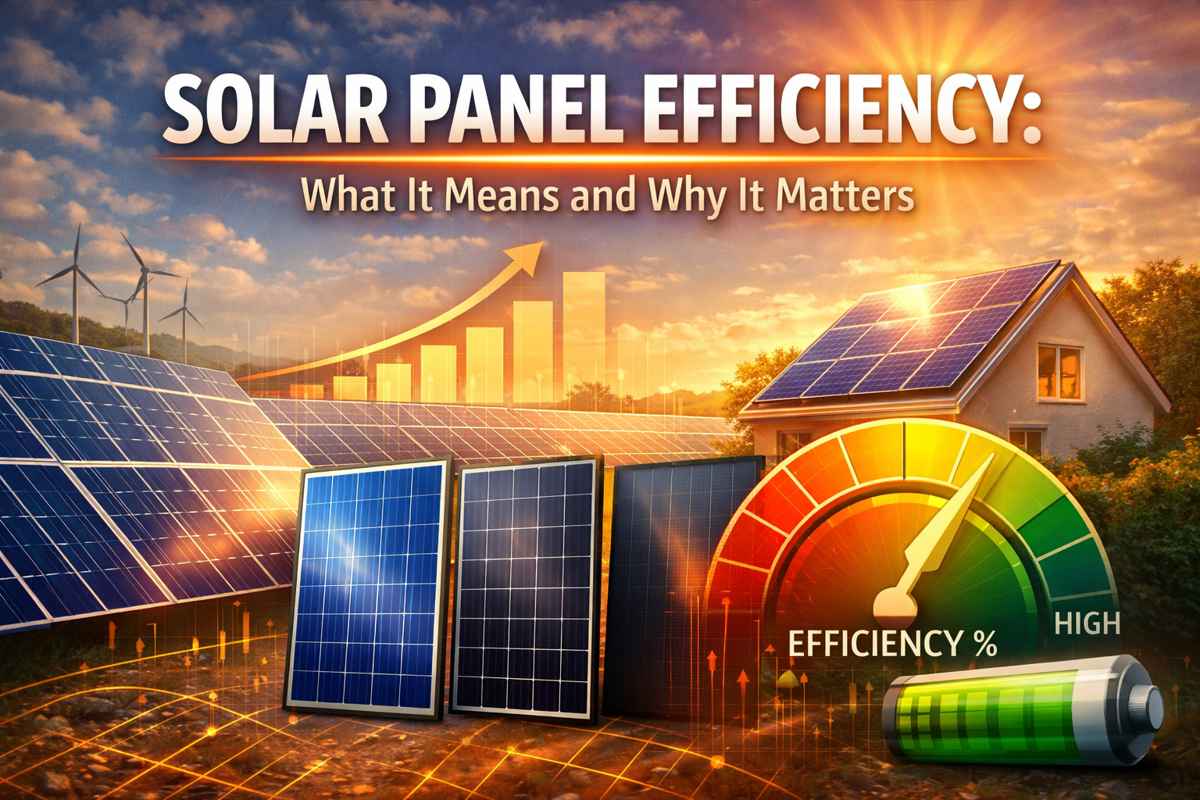
High-efficiency solar panels are essential for maximizing energy production. Modern residential panels typically produce between 400 and 450 watts. High-quality panels offer strong performance in different weather conditions, long product warranties, and low long-term degradation rates.
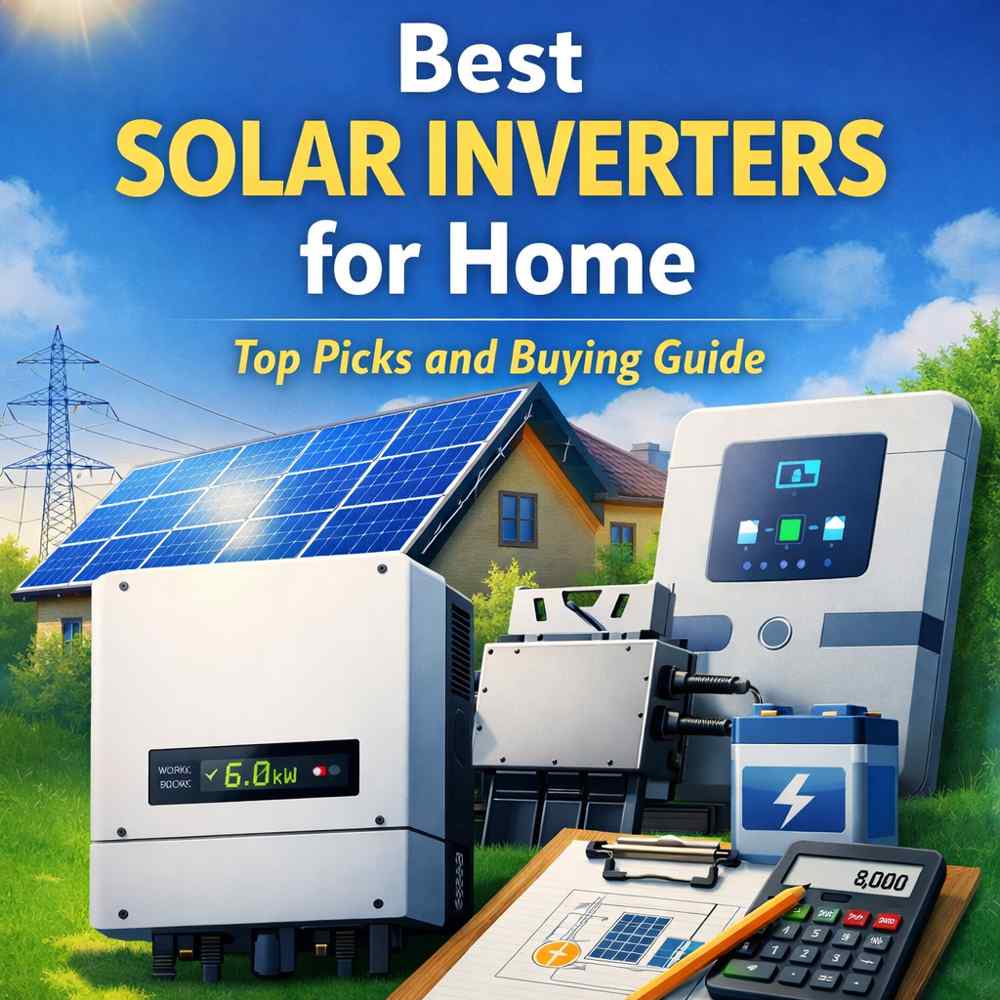
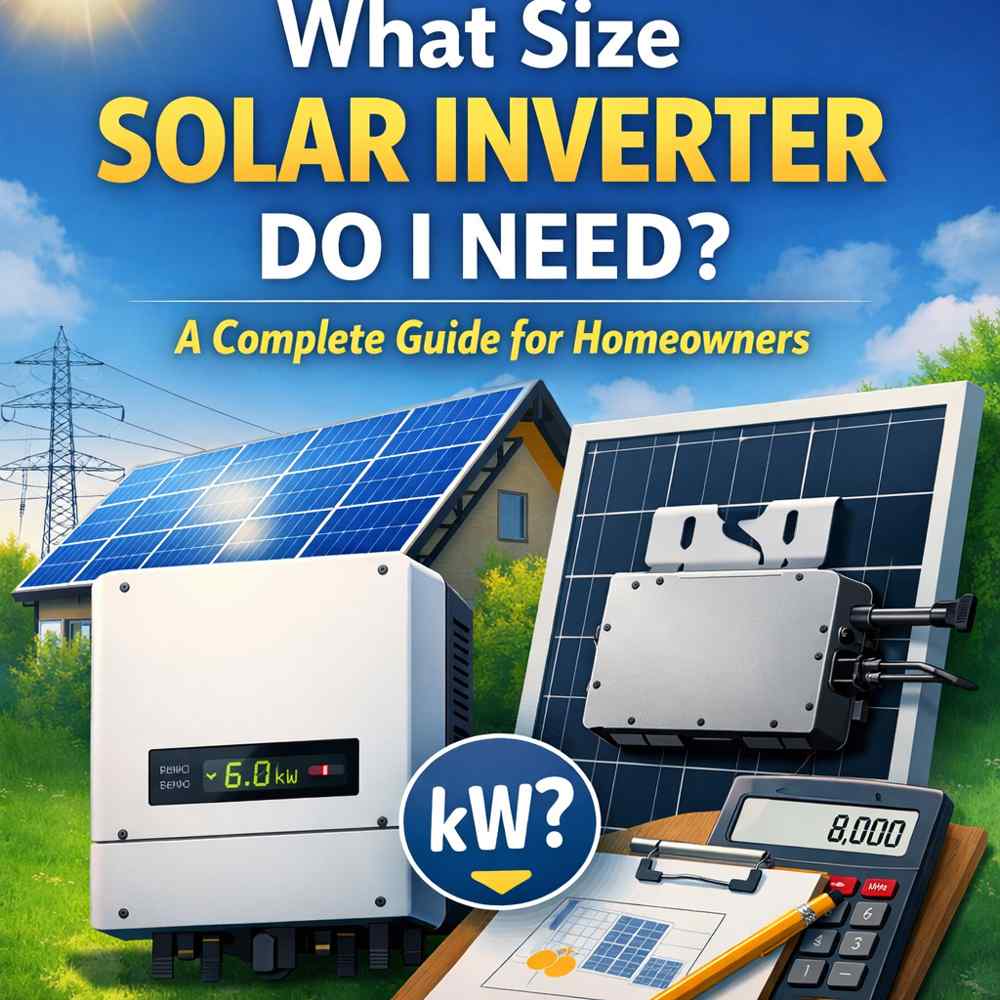
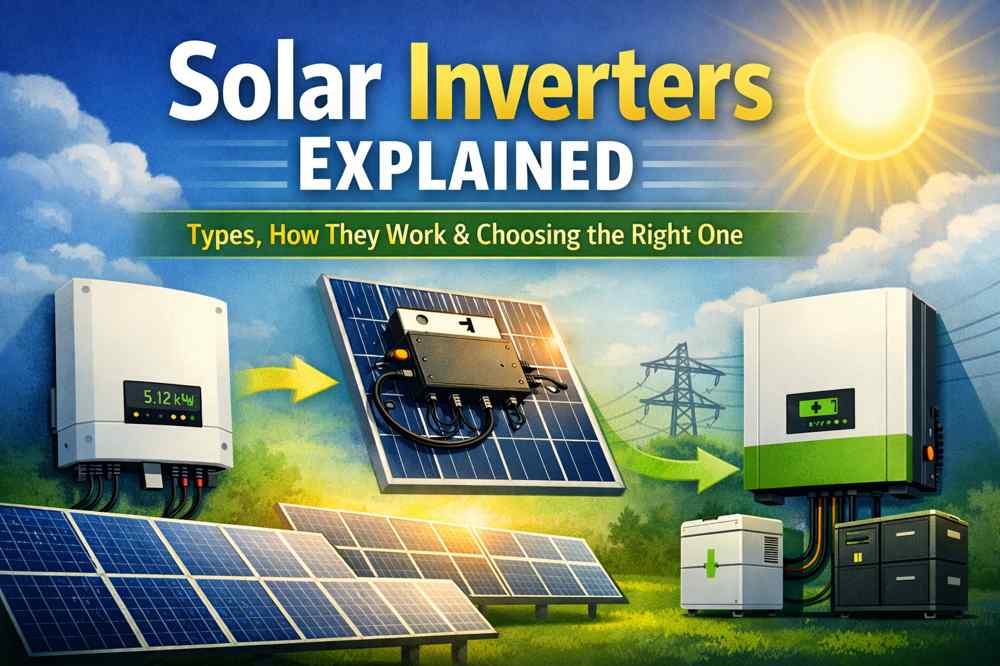
The inverter converts DC electricity produced by solar panels into AC electricity used by household appliances. Common inverter options include string inverters, microinverters, and hybrid inverters. Each type offers advantages depending on system design and shading conditions.
Solar mounting systems secure panels to rooftops or ground structures. High-quality mounting hardware is designed to withstand high wind loads, snow loads, and long-term environmental exposure. Proper mounting is critical for system durability.
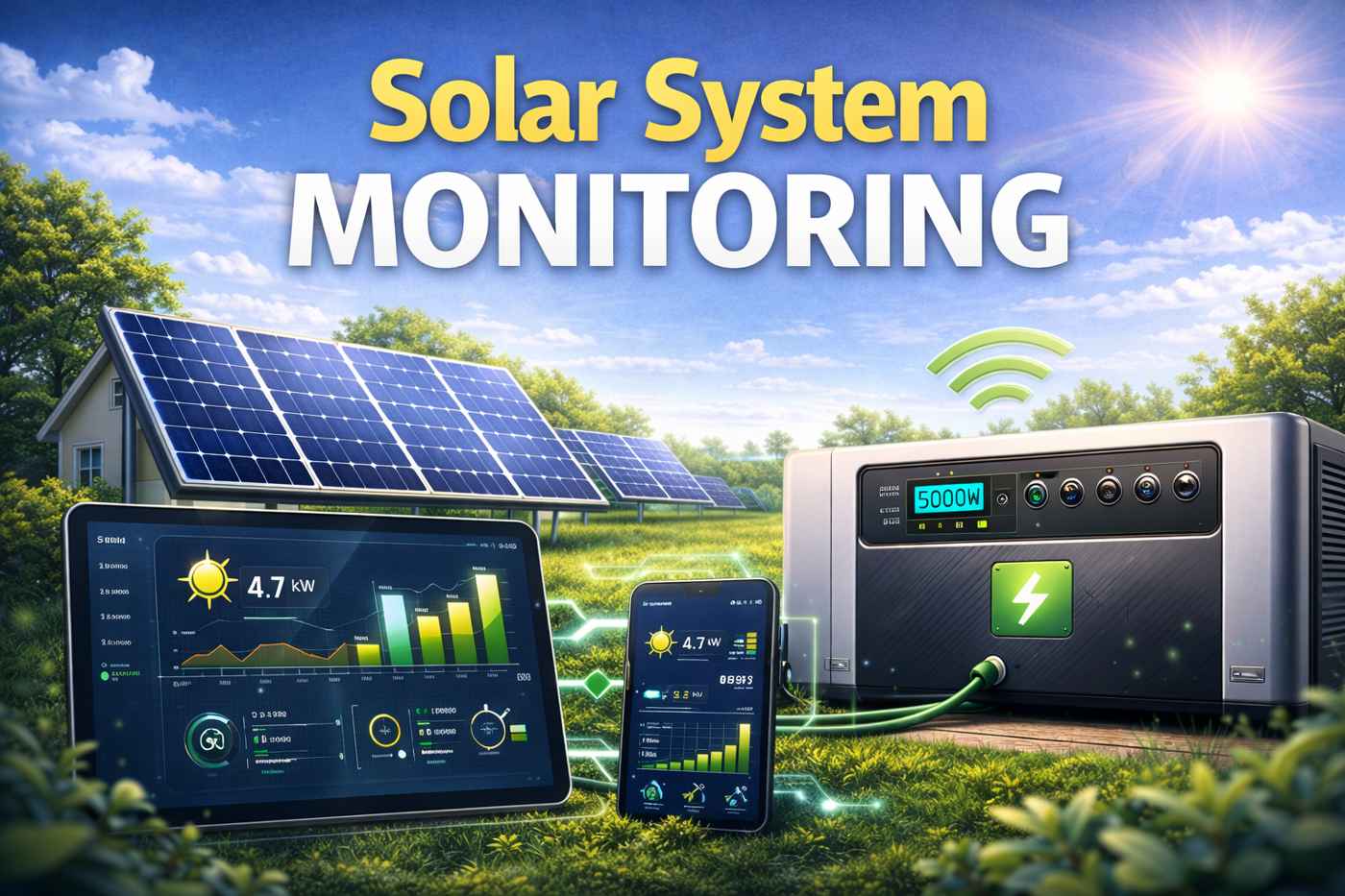
Monitoring platforms allow homeowners to track energy production and system performance in real time. These systems help users detect issues and optimize solar generation.
The size of a solar system determines how much electricity it can produce. Most residential solar systems fall into three common size ranges.
5 kW systems are suitable for smaller homes or households with lower electricity consumption. These systems typically include approximately 12–15 solar panels and are suitable for partial energy offset.
10 kW systems are among the most common residential installations in the United States. These systems typically include 24–28 solar panels and can cover most household electricity needs.
Larger homes with high electricity consumption may require 15 kW systems. These systems often include 35–40 solar panels and are ideal for large homes or properties with electric vehicles.

Several factors influence which solar kit is best for your home.
Your household electricity usage determines the required system size. Reviewing annual electricity bills can help estimate solar capacity needs.
The available roof space determines how many panels can be installed. South-facing roofs generally provide the highest solar production in the United States.
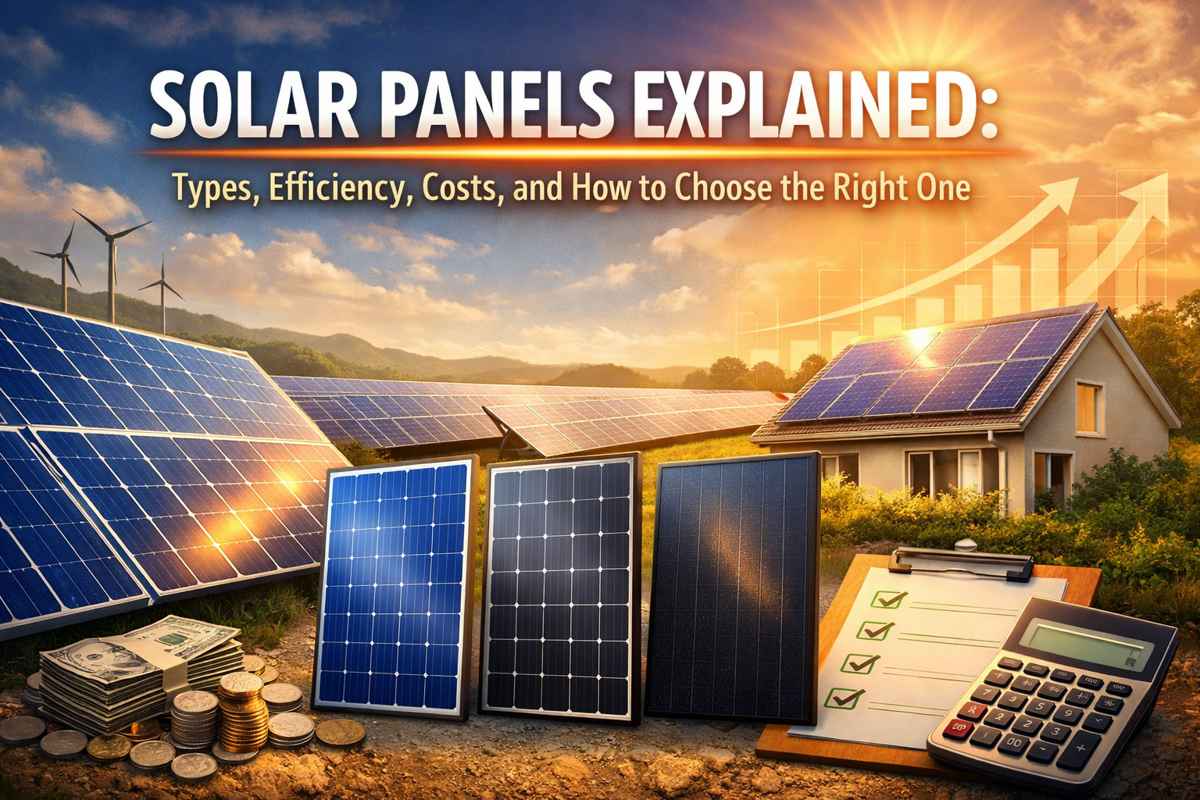
Solar panel kit prices vary depending on system size and equipment quality. Larger systems require more panels and additional electrical components, increasing total system cost.
Some homeowners choose solar kits that include batteries to provide backup power and improve energy independence. Battery storage can also allow homeowners to store excess solar energy generated during the day.
Solar panel kit prices vary based on system size, equipment brand, and optional battery storage. Typical equipment cost ranges include:
| System Size | Typical Equipment Cost |
|---|---|
| 5 kW | $6,000 – $9,000 |
| 10 kW | $12,000 – $18,000 |
| 15 kW | $18,000 – $26,000 |
These estimates represent equipment costs and do not include installation expenses. Federal and state incentives may reduce the total cost of solar installations.
Choosing a reliable solar equipment supplier is essential when purchasing solar kits. Homeowners should look for suppliers that provide high-quality solar panels, compatible inverters and mounting systems, clear product specifications, and technical guidance. Working with a specialized solar equipment supplier helps ensure that the components in a solar system are compatible and designed for long-term performance.

Solar panel kits make it easier than ever for homeowners to install solar energy systems and reduce electricity costs. By combining essential components into one package, these kits simplify system design and installation. The best solar panel kit for your home depends on your electricity usage, roof space, and energy goals. Whether you choose a grid-tied, hybrid, or off-grid system, selecting high-quality equipment is essential for long-term reliability. As solar adoption continues to grow in the United States, solar panel kits are becoming one of the most accessible solutions for homeowners looking to generate their own renewable energy.

The best solar panel kit depends on energy consumption, roof space, and whether the system is grid-tied, hybrid, or off-grid.
Most residential solar systems require between 20 and 30 solar panels, depending on energy usage and panel wattage.
Solar kits simplify system design and can reduce installation costs compared to purchasing individual components.
Yes. Many residential systems, especially 8–10 kW systems, can offset most or all household electricity usage.
Solar panels typically last 25–30 years, while inverters and batteries may require replacement sooner depending on system usage.