If you’re planning a 10 kW solar system, you’re already thinking at a serious residential or light commercial level. A 10-kilowatt system can offset most — and in some cases all — of a typical U.S. household’s annual electricity consumption.
But the real question is: How many solar panels does it actually take to reach 10 kW?
Let’s break it down in a clear, practical way.

A 10 kW system equals:
10,000 watts of total DC panel capacity
The number of panels you need depends entirely on the wattage of each individual solar panel.
The number of panels required for a 10 kW system depends primarily on the wattage of the individual modules you select. In today’s market, most high-efficiency residential solar panels range between 400W and 440W. The higher the wattage per panel, the fewer modules you need to reach your 10,000-watt target capacity.
For example, using 400W panels typically requires around 25 modules, whereas 440W panels reduce that number to approximately 23. While the numerical difference may seem small, fewer panels can translate into:
Modern manufacturers such as Hyundai Energy Solutions, Trina Solar, and Thornova Solar offer high-performance modules within this wattage range, combining strong output ratings with reliable long-term warranties.
To explore currently available high-efficiency modules and compare wattage options directly, visit our Solar Panels category page and identify the panel that best aligns with your project requirements and roof conditions.
Here’s the math:
10,000 watts ÷ panel wattage = number of panels needed
| Panel Wattage | Panels Needed for 10 kW |
|---|---|
| 400W | 25 |
| 410W | 25 |
| 425W | 24 |
| 440W | 23 |
In most modern installations, you’ll need 23–25 solar panels for a 10 kW system.
When planning a 10 kW solar system, roof space becomes a key structural factor. The exact space required depends on the wattage and physical dimensions of the selected modules. Most modern residential solar panels measure approximately 17–21 square feet per panel.
For a 10 kW system requiring 23–25 panels, you should plan for roughly:
400 to 500 square feet of usable, shade-free roof space
However, gross square footage alone is not sufficient. The following variables directly influence layout feasibility:
Higher wattage modules reduce the number of panels required, which can be advantageous for smaller or more complex roof structures. A professional layout design ensures optimal string configuration, spacing, and long-term service accessibility.
In summary, most standard single-family homes can accommodate a 10 kW system, provided there is one large, contiguous roof section with sufficient sun exposure.
A 10 kW solar system generates 10,000 watts of peak DC capacity under standard test conditions. Actual annual production depends primarily on geographic location, irradiance levels, and system design quality.
On average within the United States, a properly installed 10 kW system produces:
12,000 to 16,000 kilowatt-hours (kWh) per year
Production varies significantly by region:
For context, the average U.S. household consumes approximately 10,000–12,000 kWh annually. In many regions, a 10 kW system can therefore offset most — or even all — of a home’s electricity demand.
Actual performance will depend on:
A well-designed 10 kW system is generally considered a strong long-term solution for households seeking high energy independence and protection against rising utility rates.
In many cases, slightly oversizing a solar system is a strategically sound decision. While a 10 kW system may cover your current electricity consumption, future demand often increases — sometimes faster than expected.
Typical drivers for higher consumption include:
From a technical perspective, it is common to install a DC capacity that slightly exceeds the inverter’s AC rating (DC-to-AC ratio above 1.0). This design approach improves energy harvest during mornings, late afternoons, and lower-irradiance conditions. Properly engineered systems are designed within manufacturer specifications to ensure compliance and long-term reliability.
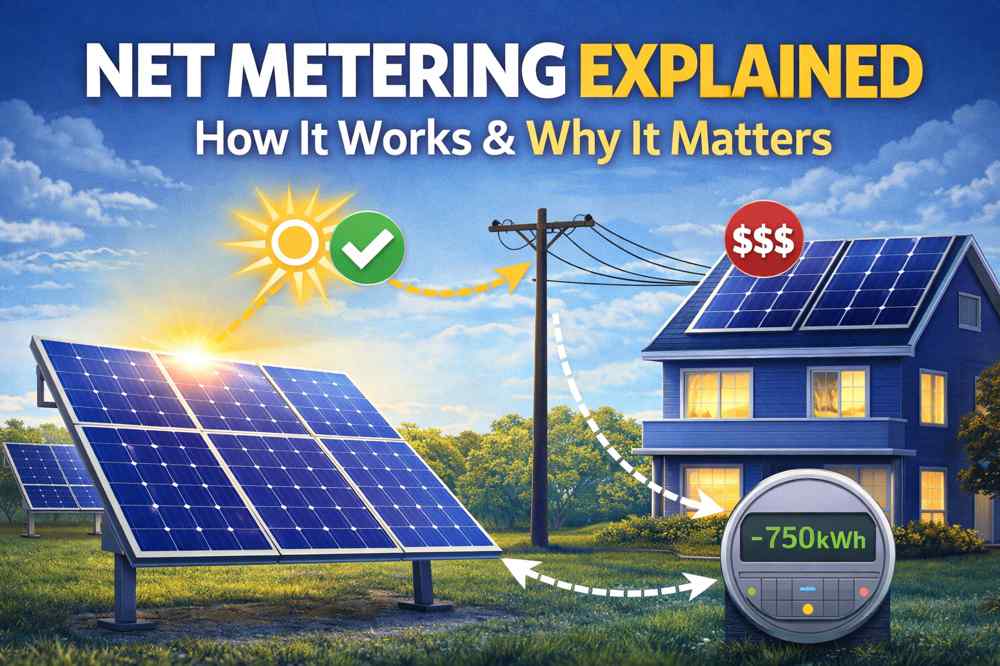
Financially, oversizing can enhance long-term return on investment. Electricity rates continue to trend upward in many markets, and additional self-generated power provides a hedge against utility price volatility. If net metering or feed-in programs are available in your state, surplus production may further strengthen system economics.
Many homeowners therefore choose a system size of 10.5 kW to 11 kW DC rather than installing exactly 10.0 kW. The incremental upfront investment is often modest compared to the long-term energy security gained.
The key is to align system sizing with:
A forward-looking sizing strategy ensures that your solar investment remains sufficient not only for today’s energy needs, but for tomorrow’s as well.

In many cases, yes. A 10 kW system typically produces between 12,000 and 16,000 kWh per year, which covers the annual electricity consumption of many U.S. households. Actual coverage depends on your energy usage, geographic location, and system configuration. Homes with electric heating, EV charging, or high daytime consumption may require additional capacity.
Most modern residential panels range between 400W and 440W. Based on this wattage range, you will generally need between 23 and 25 panels to reach 10 kW. Higher wattage modules reduce the total panel count and optimize roof utilization.
You should plan for approximately 400–500 square feet of usable, shade-free roof space. The final requirement depends on panel dimensions, layout efficiency, roof pitch, and local setback regulations.
Costs vary depending on equipment quality, mounting complexity, inverter selection, and regional labor rates. Hardware-only systems are typically more cost-efficient than fully installed turnkey solutions. Federal tax incentives and state-level programs may significantly reduce the net investment.
In many areas, DIY installation is legally possible if local permitting and electrical code requirements are met. However, professional system design is recommended to ensure compliance, optimal inverter sizing, and proper utility interconnection.
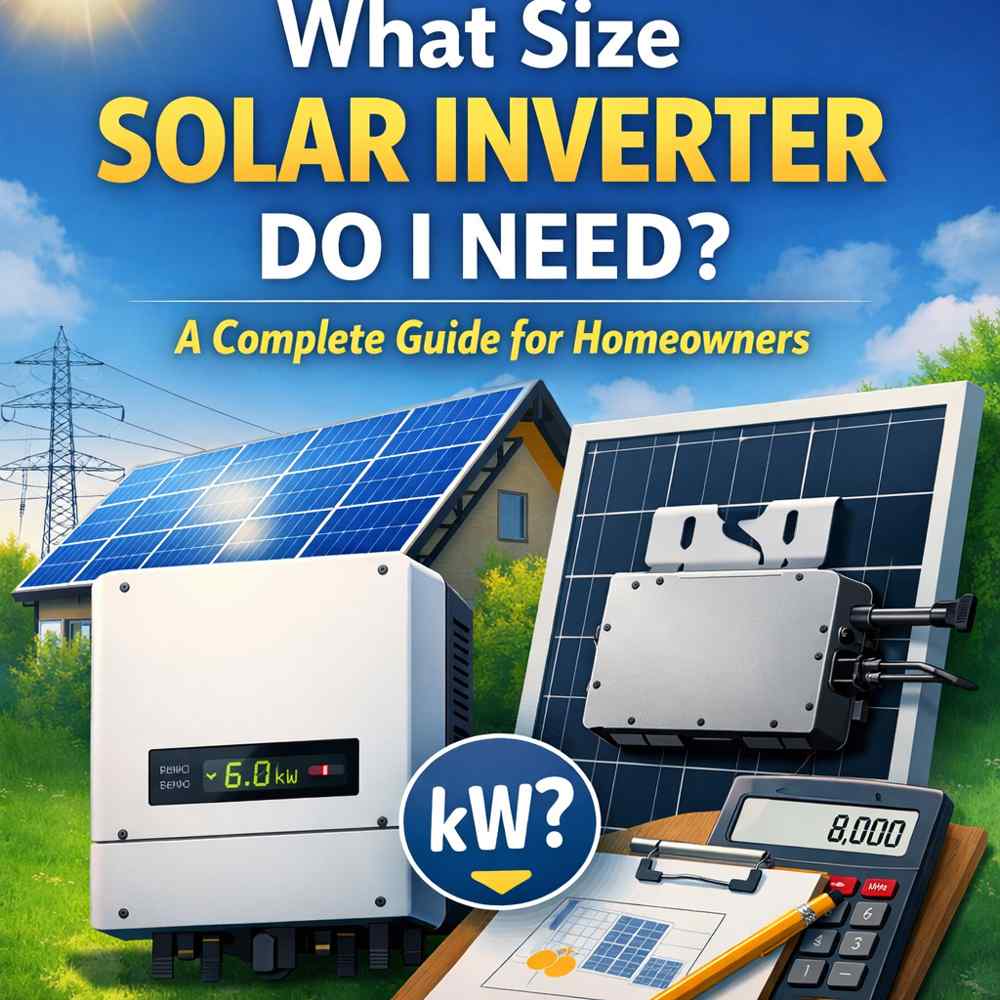
It is common to slightly oversize the DC array relative to the inverter’s AC rating. For example, pairing a 10 kW DC array with a 7.6–10 kW AC inverter can improve overall production efficiency. Final sizing should align with manufacturer guidelines and utility regulations.
Battery storage increases energy independence and provides backup power during outages. It is particularly beneficial in regions with time-of-use rates or limited net metering benefits. Proper load analysis and system compatibility are essential before integration.
Most high-quality solar panels include 25-year performance warranties, with expected operational lifespans beyond that period. Inverters generally carry warranties between 10 and 15 years. Long-term durability depends on component quality, installation standards, and maintenance practices.