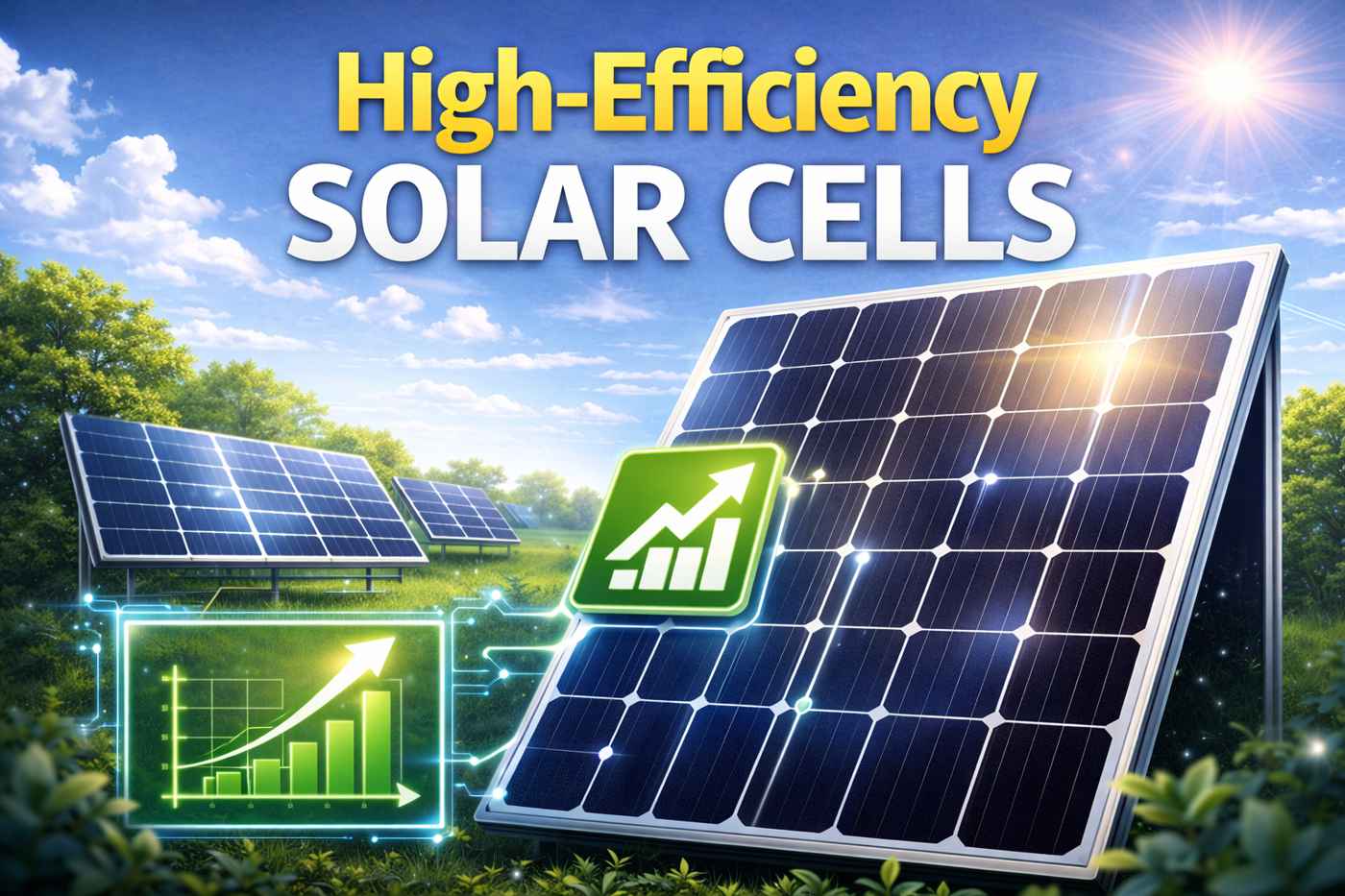
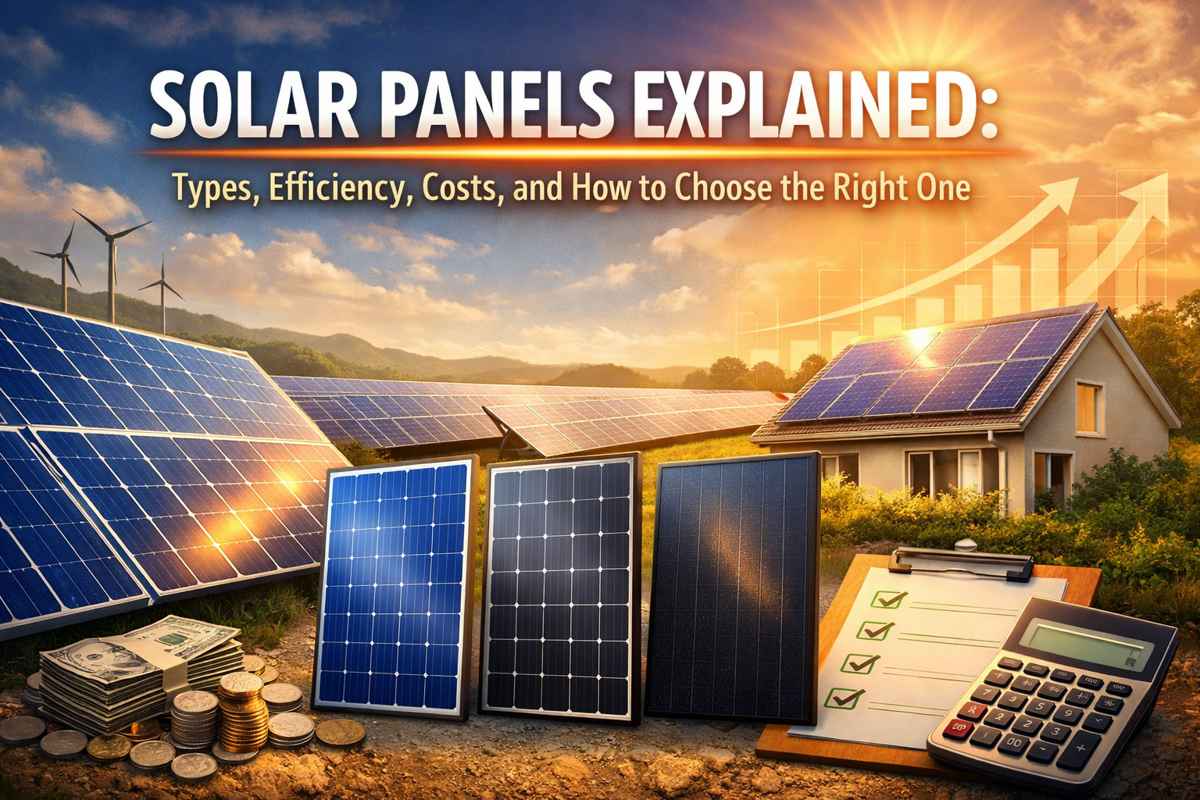
Solar technology has advanced rapidly in recent years. One of the most important developments is the rise of high-efficiency solar cells, which allow solar panels to generate more electricity from the same amount of sunlight.
For homeowners and installers in the United States, higher efficiency means more energy production, better use of roof space, and improved long-term performance.
In this guide, we explain what high-efficiency solar cells are, how they work, and why they are becoming the standard in modern solar panels.
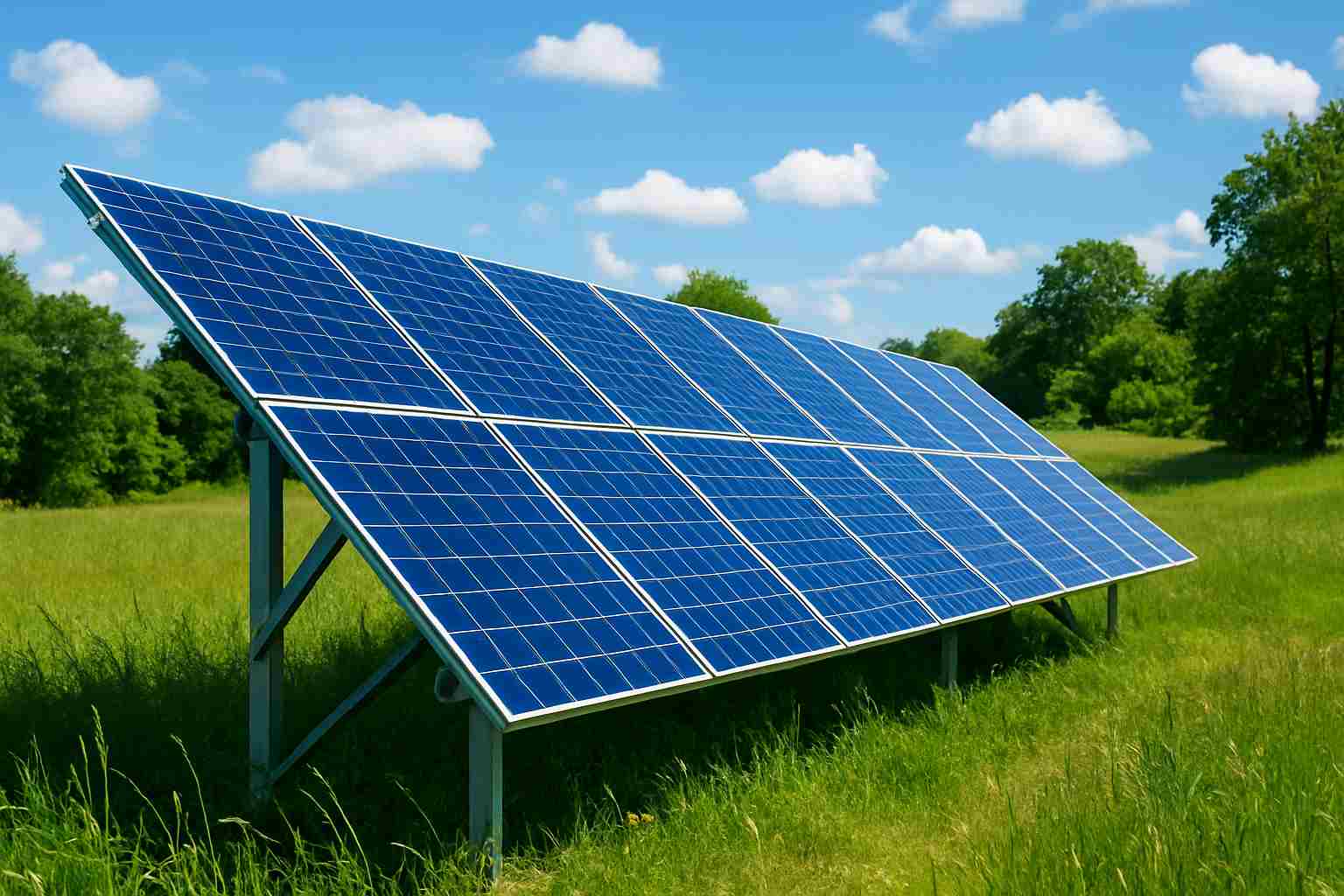
Solar cells are the core components of a solar panel. Each cell converts sunlight into electricity using photovoltaic technology.
High-efficiency solar cells are designed to convert a larger percentage of sunlight into usable electricity compared with traditional solar cells.
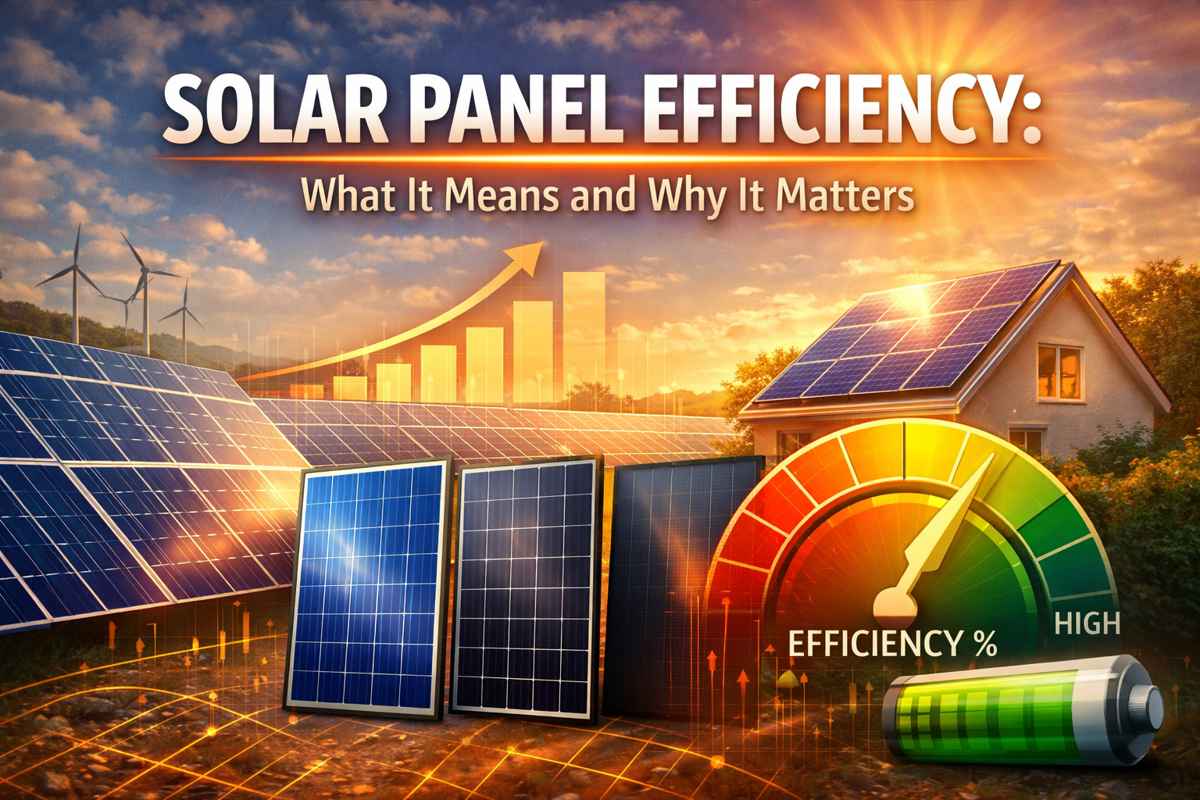
Efficiency refers to the percentage of sunlight that is converted into electrical energy.
Typical efficiency ranges:
| Solar Cell Type | Efficiency Range |
|---|---|
| Standard polycrystalline cells | 15–17% |
| Standard monocrystalline cells | 18–20% |
| High-efficiency solar cells | 21–24%+ |
Higher efficiency means that more electricity can be produced from the same panel area.
This is particularly valuable for residential rooftops where installation space may be limited.
Solar efficiency plays a major role in the overall performance of a solar system.
Higher-efficiency panels generate more electricity per square foot of roof space. This allows homeowners to install smaller systems that still produce significant energy.
Efficiency improvements also reduce the number of panels required to achieve a desired system size.
Benefits of high-efficiency solar cells include:
• greater energy production from limited roof space
• improved performance in partially shaded conditions
• higher long-term electricity savings
• better system aesthetics with fewer panels
For homeowners with limited roof area, choosing high-efficiency panels can significantly increase system output.
Modern solar manufacturers use several advanced technologies to improve solar cell efficiency.
Monocrystalline cells are currently the most widely used high-efficiency solar technology.
These cells are manufactured from a single crystal silicon structure, which allows electrons to move more freely and improves electrical performance.
Most high-efficiency residential solar panels today use monocrystalline cells.
Typical efficiency range:
20–23%
TOPCon (Tunnel Oxide Passivated Contact) technology is one of the latest advancements in solar cell design.
They use an additional thin oxide layer that improves electron flow and reduces energy loss.
Advantages of TOPCon solar cells include:
• higher efficiency
• lower degradation over time
• improved performance in high temperatures
Many modern solar panels now use N-type TOPCon cells, which are among the most efficient technologies currently available.
Heterojunction (HJT) solar cells combine crystalline silicon with thin-film technology to improve efficiency.
This design allows for very high conversion efficiency and excellent performance in low-light conditions.
HJT technology is still developing but is increasingly used in premium solar panels.
Interdigitated Back Contact (IBC) cells place electrical contacts on the back side of the solar cell.
This design eliminates shading from front-side wiring and improves energy conversion efficiency.
IBC technology is often used in high-performance solar modules designed for maximum efficiency.
Solar panel output depends on two main factors:
• panel efficiency
• panel size
Modern residential solar panels typically produce between 400 and 450 watts per panel.
This higher output is largely made possible by improvements in solar cell efficiency.
Panels using advanced cell technologies can generate significantly more electricity compared with older solar modules.
If you want to explore examples of modern high-efficiency panels, you can see our overview of high-efficiency solar modules here:
These modules demonstrate how advanced solar cell technologies are improving system performance.
Higher efficiency not only increases power production but also improves overall system design.
Because each panel produces more electricity, fewer panels may be required to reach the desired system capacity.
This creates several advantages.
First, installation costs may decrease because fewer mounting components and electrical connections are needed.
Second, roof space can be used more efficiently, allowing homeowners to install solar even on smaller roofs.
Third, higher-efficiency systems often provide better long-term energy production, increasing total electricity savings.
Another important factor in solar performance is degradation, which refers to the gradual decline in solar panel output over time.
Most solar panels lose a small percentage of efficiency each year.
High-efficiency solar cells often use advanced materials and manufacturing techniques that reduce degradation rates.
Typical performance warranties guarantee that panels will still produce around 85–90% of their original output after 25 years.
Some premium solar panels even offer 30-year performance warranties.
Lower degradation means higher lifetime energy production.
High-efficiency solar panels typically cost slightly more than lower-efficiency panels.
However, the price difference has narrowed significantly as solar technology has matured.
When evaluating solar panels, homeowners should consider the total system value rather than panel price alone.
Higher-efficiency panels can reduce installation costs by lowering the number of panels required.
They may also increase long-term electricity savings by producing more energy.
For many homeowners, these advantages outweigh the small price premium.
High-efficiency solar cells are particularly valuable in situations where space is limited or performance is critical.
Common applications include:
Limited roof space makes high-efficiency solar panels ideal for residential installations.
Homeowners can maximize energy production without covering the entire roof.
Businesses often seek the highest possible energy production from available roof space.
High-efficiency solar modules help maximize system output.
In off-grid installations, maximizing electricity generation is essential.
High-efficiency panels can reduce system size while still providing sufficient energy.
Homeowners building their own solar installations often prefer high-efficiency panels to maximize system performance.
These panels help simplify system design and improve overall output.
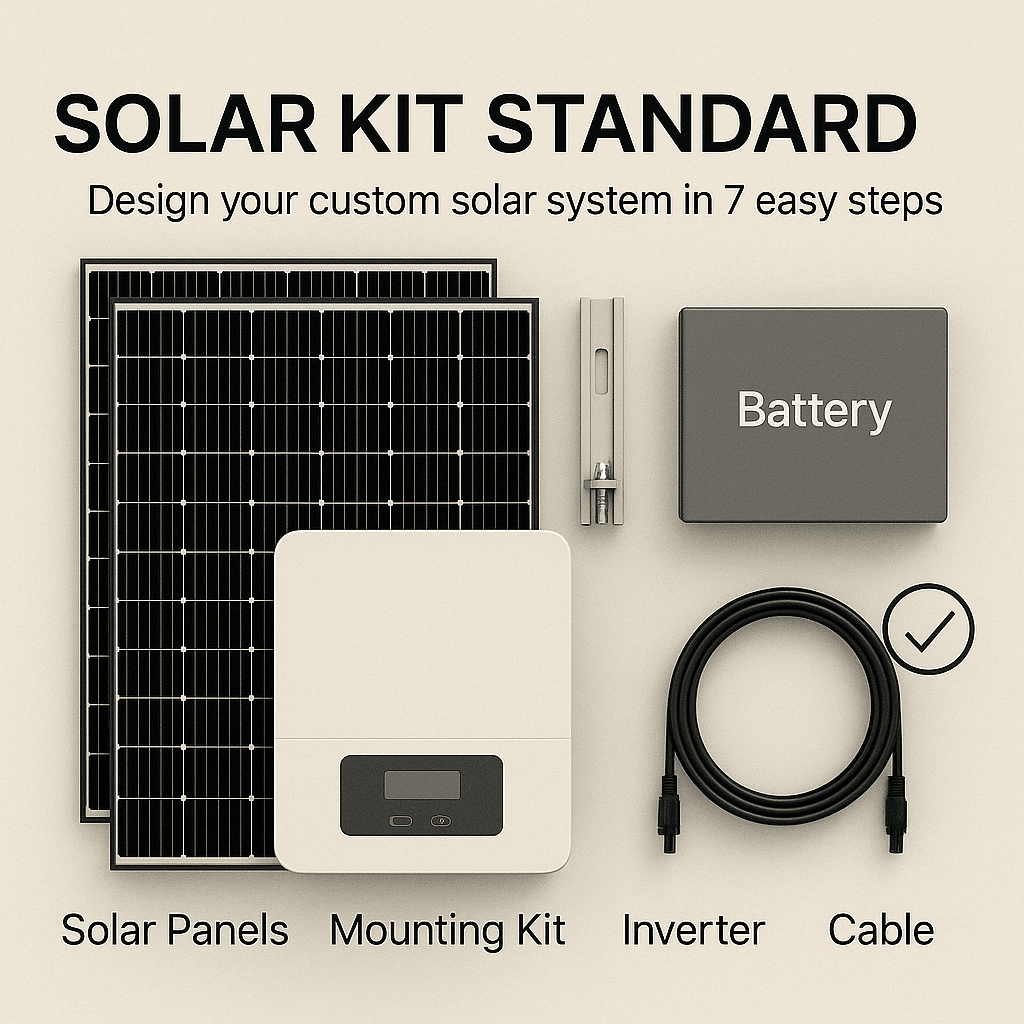
🔆 Standard Solar Kit – Your Custom Solar System in 7 Guided Steps
Design your solar setup with full flexibility and pre-configured mounting: choose solar panels, inverter, battery, mounting kit, wiring essentials, combiner, and accessories – all step by step and fully compatible.
✅ Includes mounting material from K2 Systems for standard layouts
✅ Choose only the components you need
✅ DIY-friendly and pre-checked for compatibility
✅ 🎁 Battery discount included when bundled
Solar cell technology continues to evolve rapidly.
Researchers are developing next-generation technologies such as perovskite solar cells and tandem solar cells that may push efficiency levels even higher.
Some experimental solar cells already exceed 30% efficiency in laboratory settings.
As these technologies mature, future solar panels may produce significantly more electricity from the same surface area.
This will further accelerate the adoption of solar energy worldwide.
Selecting the right solar panels involves evaluating several factors.
Efficiency is important, but it should be considered together with:
• panel reliability
• manufacturer warranty
• long-term degradation rates
• compatibility with the overall solar system
High-quality solar panels, combined with reliable inverters and mounting systems, ensure that a solar installation performs efficiently for decades.
At AceFlex, homeowners and installers can explore a wide range of high-performance solar equipment including solar panels, inverters, mounting systems, and DIY solar kits designed for reliable long-term performance.
High-efficiency solar cells are one of the most important innovations in modern solar technology.
By converting more sunlight into electricity, these advanced cells allow solar panels to generate more energy while using less space.
For homeowners, installers, and businesses, higher efficiency translates into improved system performance, better use of available roof space, and greater long-term energy savings.
As solar technology continues to evolve, high-efficiency solar cells will play a key role in making renewable energy more powerful, affordable, and accessible.
High-efficiency solar cells are photovoltaic cells designed to convert a larger percentage of sunlight into electricity compared with standard solar cells.
Solar panels with efficiencies above 21% are typically considered high-efficiency panels.
For many homeowners, high-efficiency panels are beneficial because they produce more electricity and maximize limited roof space.
Technologies such as TOPCon, HJT, and IBC solar cells are currently among the most efficient solar cell designs used in commercial solar panels.
High-efficiency panels often use advanced materials that can reduce degradation and improve long-term performance.