The energy landscape is changing—and it’s changing fast. As utility prices climb and climate concerns grow, more people look for smarter, cleaner alternatives. And while there are many options, one stands out: high-efficiency solar modules. They save money, reduce emissions, and power your home or business—day after day.
But what makes these solar panels so powerful? And why are more Americans turning to them than ever before?
Let’s break it down.

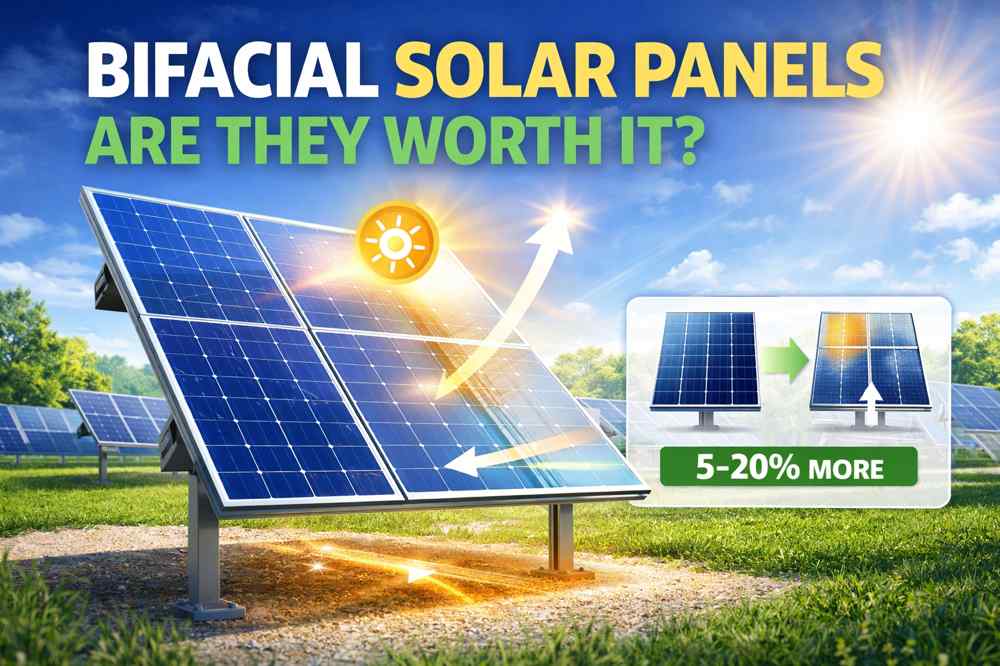
✅ 435 W bifacial panel with 108 half-cut N-Type TOPCon cells
✅ 22.28% efficiency with sleek all-black design
✅ 25-year product and 30-year performance warranty
Not all solar panels are created equal. Some waste sunlight. Others convert it into power with impressive precision. That’s where high-efficiency solar PV panels come in. They do more with less. They need less space, generate more power, and deliver better performance—even in cloudy conditions.
And the best part? You get more energy output without covering your entire roof.
So, whether you live in a small house or a large commercial building, high-efficiency solar cells adapt to your needs—and outperform traditional panels every time.

You might ask, “Aren’t all solar cells basically the same?” Not quite.
Standard panels convert only a portion of the sun’s energy. In contrast, high-efficiency modules use advanced materials and smart design. They minimize energy loss. They capture more sunlight. And they push the limits of solar innovation.
Moreover, they last longer. Because of their robust construction, they resist wear and degradation. So, while other systems lose power over the years, high-efficiency solar PV panels keep going strong.
And since durability equals savings, your return on investment only gets better.
Function matters, but so does form. Many people hesitate to install solar panels because they think they look bulky or unattractive. However, modern high-efficiency solar cells are sleek, elegant, and unobtrusive. And because you need fewer of them, they blend into rooftops with minimal visual impact.
So, you can enjoy solar power—without sacrificing curb appeal.

Solar energy is clean. It produces no greenhouse gases, no noise, and no toxic waste. But while all solar power is green, high-efficiency solar modules take sustainability further.
Why?
Because they maximize energy output per square foot, which means less material usage, fewer emissions from manufacturing, and a smaller carbon footprint overall.
You generate more electricity, but you use fewer resources. That’s smart. That’s responsible. And that’s the future.

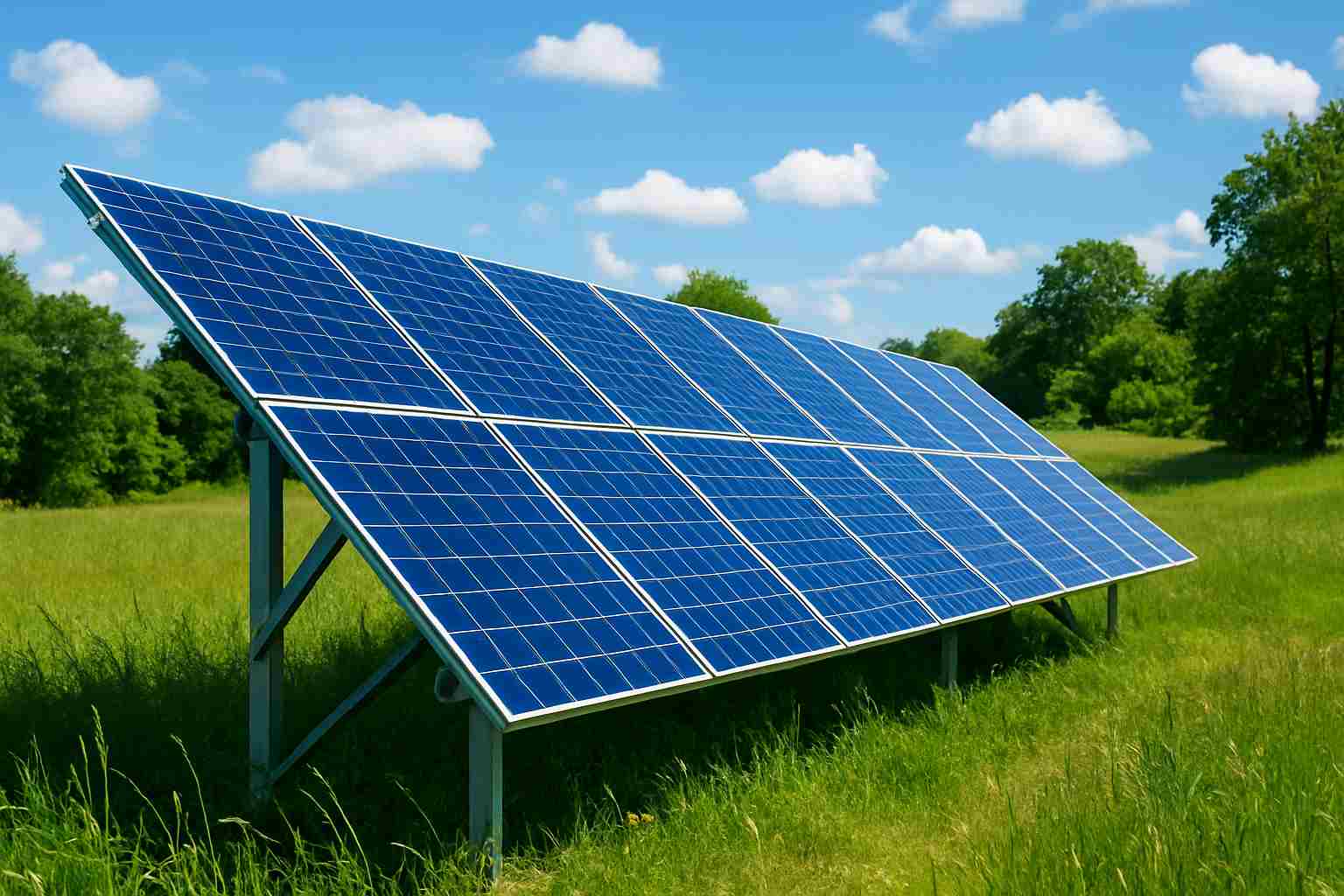
✅ High-efficiency 590W solar panel
✅ 144 monocrystalline cells
✅ Designed for long-lasting reliability
You’ve got choices. But not all solar providers deliver the same quality. At AceFlex.us, we offer industry-leading high-efficiency solar PV panels built for American homes and businesses.
Here’s what makes us different:
And because we know solar is an investment, we walk with you every step of the way—from consultation to system activation.
While other companies might rush the process, we listen. We plan. We deliver. So you can relax and watch your power bills drop.

Yes, high-efficiency solar cells can cost more upfront. But think long-term.
Because they generate more energy, they shorten your payback period.
So, instead of worrying about rising energy bills, you lock in your rates—and even sell excess energy back to the grid in some areas.
Plus, your property value could rise. Because buyers love energy savings just as much as you do.
👉 Read our full guide:
How to Reduce Your Electricity Bill: Practical Tips for US Homeowners
https://aceflex.us/how-to-reduce-my-electricity-bill/

✅ High efficiency N-Type cells for maximum performance
✅ Sleek all-black design – perfect for modern rooftops
✅ Durable and weather-resistant for long-term reliability
Maybe you’re still unsure. And maybe you’ve been waiting for the “right time.” But as prices fall and technology rises, that time is now. Especially when every month without solar is a month you spend more than you should.
And the longer you wait, the more sunlight—and savings—you lose.

Don’t just think about going solar. Act now. Visit AceFlex.us to explore how high-efficiency solar modules can transform your energy future.
Request a free quote. Ask questions. Get expert advice.
Because when the sun’s already shining, why wait?

The highest-efficiency solar panels today are typically heterojunction (HJT) and tandem cells because they combine different technologies. These panels often exceed 22% efficiency.
There aren’t any commercially available 30% efficient panels yet, but lab prototypes like tandem perovskite cells have already achieved that milestone. Since research is advancing quickly, it’s likely we’ll see them on the market in the near future.
The 20% rule means a panel converts 20% of sunlight into electricity, which equals about 200 watts per square meter. Because this is a common efficiency range, it’s used as a general benchmark.
Tandem and heterojunction solar cells are the most efficient types because they capture a broader range of sunlight. However, monocrystalline panels remain the market leader due to their balance of performance and cost.
Solar panels could theoretically reach 50% efficiency because multi-junction cells can split sunlight into usable parts. But we’re still a long way from that in terms of commercial production.
A solar system for a 2,000 square foot home usually costs between $15,000 and $30,000 before incentives. However, location, electricity usage, and installation type can significantly affect the total price.
Yes, you can run an air conditioner with solar panels, but you’ll need a system large enough to cover the high energy demand. Pairing solar with a battery can help manage peak usage more effectively.
Buying solar panels usually offers more long-term savings because you get all the tax incentives and increased home value. Leasing can be a good option if you want lower upfront costs and less responsibility for maintenance.
Yes, a house can run entirely on solar power if the system is well-designed and includes sufficient storage. But weather patterns and seasonal changes must be accounted for in the setup.
Solar batteries generally last 10 to 15 years, depending on usage and temperature conditions. While they degrade over time, proper maintenance can extend their lifespan.
A home can operate completely on solar if it’s energy efficient and equipped with a battery system. However, most homeowners still choose a grid connection for backup and stability.
Solar panels typically last 25 to 30 years and may continue producing electricity even longer. However, their output gradually decreases as they age.
Solar panels are designed to withstand hail, and most are tested against 1-inch hail at 50 mph. Still, extreme storms can cause damage, so insurance is a smart idea.
Solar panels have high upfront costs, and their energy production depends on sunlight availability. Also, installation may not be ideal for all roof types or shaded areas.
Most solar panels only need cleaning once or twice a year unless you live in a dusty area. Rain often does the job naturally, but buildup can reduce efficiency.
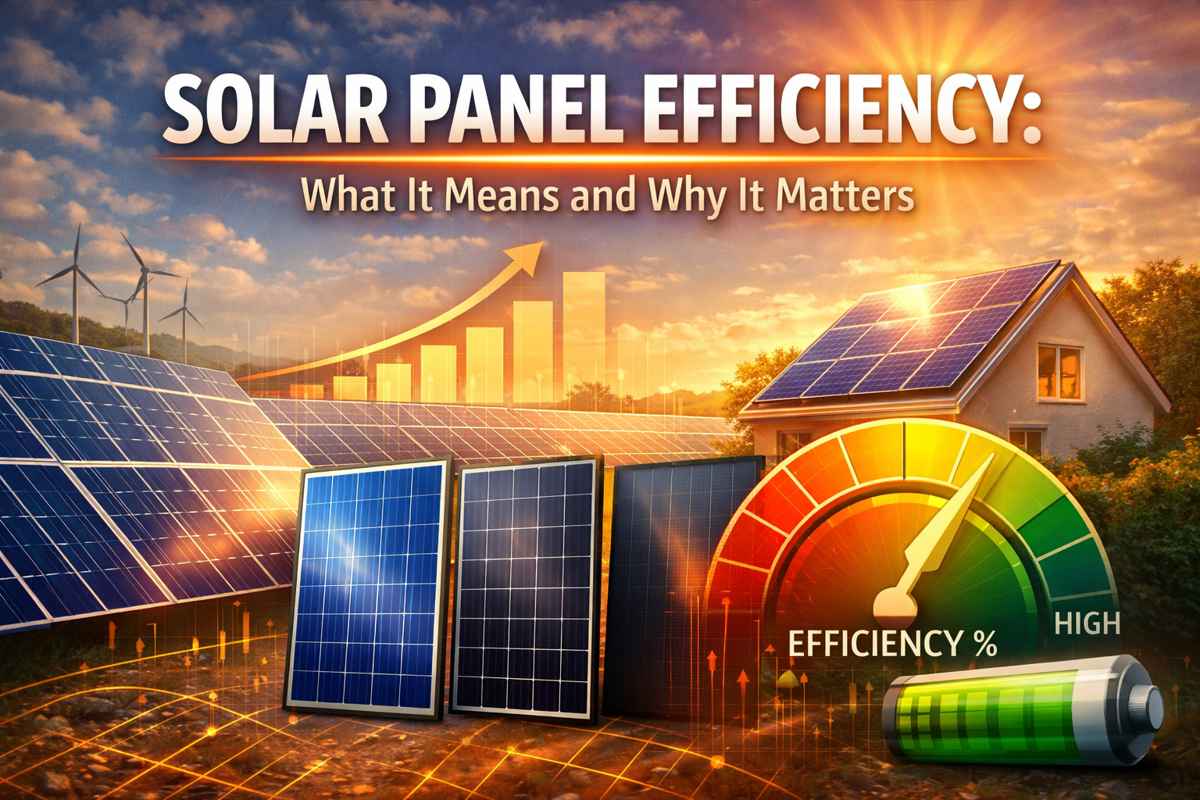
A high-efficiency solar panel converts over 20% of sunlight into electricity. These panels use advanced materials and designs to boost energy output in limited space.
High-efficiency panels cost more upfront, but they save money in the long run by generating more power per square foot. This makes them ideal for homes with limited roof space.
Top brands like Hyundai, Jinko, and LG produce some of the most efficient panels available. They focus on innovation and premium materials for maximum performance.
Yes, high-efficiency panels can perform better in low-light conditions because of their superior cell technology. However, total output still decreases without direct sunlight.
Absolutely—they generate more power per panel, so you need fewer panels to meet your energy needs. This can also reduce installation time and costs.
Standard panels offer around 16–18% efficiency, while high-efficiency ones range from 20–23% or more. This means a 20–30% gain in energy output for the same area.
Not necessarily—many high-efficiency panels are built with higher-quality materials and degrade slower. Some even come with better warranties and longer performance guarantees.