
In a world that’s becoming more electric every day, solar energy is no longer just a trend—it’s a necessity. And while solar panels get all the spotlight, batteries are the real MVPs behind the scenes. They store your energy, power your night, and keep your devices running when the grid fails. But how does it all work? And more importantly, how can you make the Solar Panel Kits with Batteries work for you?
Let’s break it down.

🔆 Premium Solar Kit – Your Custom Solar System in 7 Guided Steps
Design your solar setup with full flexibility and professional support: choose solar panels, inverter, battery, custom mounting kit, wiring essentials, combiner, and accessories – all step by step and fully compatible.
✅ Includes custom K2 mounting kit with professional layout planning
✅ Personalized K2 Report for your roof and module configuration
✅ DIY-friendly & pre-checked for compatibility
✅ 🎁 Battery discount included when bundled
You could buy a panel here and a battery there. But why waste time? Solar panel kits with batteries are designed to make your life easier. They include everything you need—solar panels, batteries, cables, charge controllers, and sometimes even an inverter. And since all components are pre-selected to match, they save you from compatibility headaches.
So whether you’re living off-grid, camping in the wild, or just preparing for the next blackout, solar kits are the smart choice. They’re plug-and-play, cost-effective, and scalable.

✅ 17,300W three-phase inverter
✅ Perfect for large commercial solar systems
✅ Advanced monitoring and safety features
Here’s the deal: charging batteries isn’t as hard as it sounds. You don’t need to be an engineer. You simply need a few basics:
Once connected, sunlight hits the solar panel, which sends power to the charge controller. This controller then regulates how much power goes into your battery. Too much power could damage the battery, and too little won’t charge it fully. That’s why charge controllers matter.
So if you’ve ever Googled “how to charge batteries with a solar panel” or “how to charge batteries with solar panel” — now you know. It’s simple, efficient, and effective.

Absolutely. But there’s a trick to it.
Let’s say you have one 100W solar panel and two 12V batteries. You can connect these batteries in parallel to keep the voltage the same and double the capacity. Or connect them in series to double the voltage and keep the same capacity. Both setups work—but you’ll need a compatible charge controller and proper wiring.
Many customers ask, “Can I charge 2 batteries with one solar panel?” Yes, you can. Just make sure your panel’s wattage matches your total battery needs. And always monitor with a charge controller. Safety first.
🔋 Solar Panel with Batteries – Example Kit Configuration
| Component | Details | Function |
|---|---|---|
| Solar Panel | 1× 100W Monocrystalline Panel | Captures sunlight and converts it to electricity |
| Battery | 2× 12V 100Ah Lithium Batteries | Stores the energy for later use |
| Charge Controller | 30A MPPT Controller | Manages voltage and current to protect batteries |
| Cables | 10 AWG Copper Wires + Connectors | Ensures safe and efficient energy transfer |
| Inverter (optional) | 1000W Pure Sine Wave Inverter | Converts DC power to AC for household appliances |
✅ Ideal for:
If your energy use is growing, your system should grow with it. Maybe you started with one panel, but now you want to run a fridge, lights, or even a water pump. That’s when it’s time to scale. You can add more panels, batteries, or switch to more powerful kits.
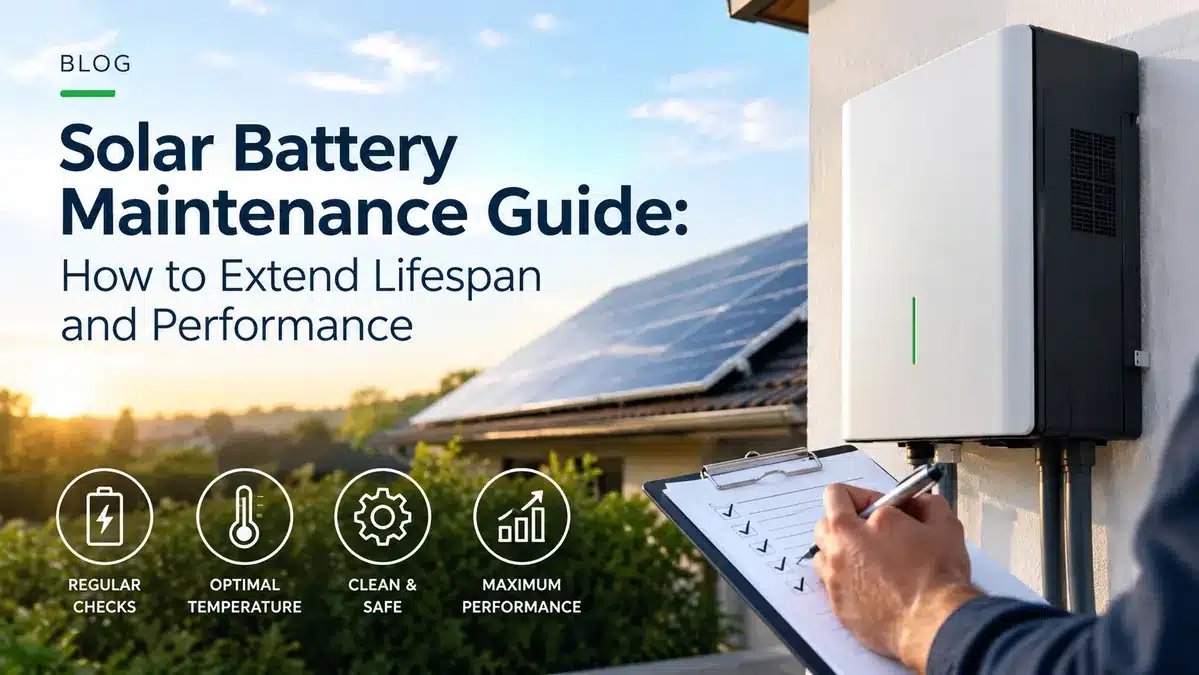
And don’t forget maintenance. Clean your panels every few weeks. Check your battery health. Update your system if you notice inefficiencies. A well-maintained solar system can last over 20 years!
ve

At AceFlex.us, we believe everyone deserves clean, independent energy. Our ready-to-install solar panel kits with batteries come with everything you need to get started. Want to know how to charge batteries with solar panel systems? Need to charge 2 batteries with one solar panel? We’ve got you covered.
🌞 Start building your energy freedom tomorrow.
👉 Get Your Free Solar Consultation

You don’t need to live in the desert to go solar. Even in cloudy regions, today’s solar panel kits with batteries are efficient and reliable. And with prices dropping, there’s never been a better time to invest. Whether you’re powering a cabin, camper, or your whole home—solar is ready when you are.
So the next time you wonder how to charge batteries with a solar panel, remember—it’s not just possible. It’s powerful.

Yes, because they store excess energy and provide backup power during outages. And while the initial cost may be higher, the long-term savings and independence make them a smart investment.
It can, if the fridge is energy-efficient and runs intermittently. However, cloudy weather or nighttime will require a battery to keep it running consistently.
The 120% rule allows you to install up to 120% of your electrical panel’s rated capacity with solar. This means you can safely add more solar panels as long as your system doesn’t exceed that threshold.
A 3000W system can power essentials like lights, a refrigerator, a laptop, and even a small AC unit, depending on usage. And if paired with batteries, it provides steady power day and night.
It can handle heavier loads like washing machines, TVs, multiple fans, and more—even a small home office. But without batteries, it won’t power anything at night.
You’ll need at least four 12V batteries (100Ah each) in series-parallel to handle the load safely and efficiently. And using lithium batteries improves performance and lifespan.
Yes, a 2000W inverter can run most standard refrigerators, but be sure to check the startup wattage. Compressors often need more power for a few seconds when starting.
Not long—only around 40–60 minutes, depending on the load and efficiency. And if the battery is lead-acid, usable capacity is even less due to discharge limits.
You’ll need around eight 12V 100Ah batteries, though this varies based on run time and efficiency. And using a 48V setup improves system performance.
It can power nearly everything in a standard household—including HVAC units, kitchen appliances, and heavy-duty tools. However, you’ll need a large battery bank or strong solar input.
Lithium iron phosphate (LiFePO₄) batteries are the best due to their long life, deep discharge capability, and fast charging. Though more expensive, they outperform lead-acid in every category.
A 4000W solar system paired with storage may need 6 to 8 batteries, depending on your energy usage and storage goals. And it’s best to calculate total daily consumption for accurate sizing.
The best chargers use MPPT (Maximum Power Point Tracking) and support both 12V and 24V systems. Brands like Renogy and Victron offer reliable, high-efficiency models with smart monitoring features.
Yes, because these kits are designed for independence and reliability. And they’re scalable as your energy needs grow.
Use MPPT charge controllers, because they optimize power even in low light. And adding extra panels helps compensate for reduced sunlight.
Yes, as long as your panel has enough wattage and you use the right wiring setup. And don’t forget a proper charge controller to balance the charge.
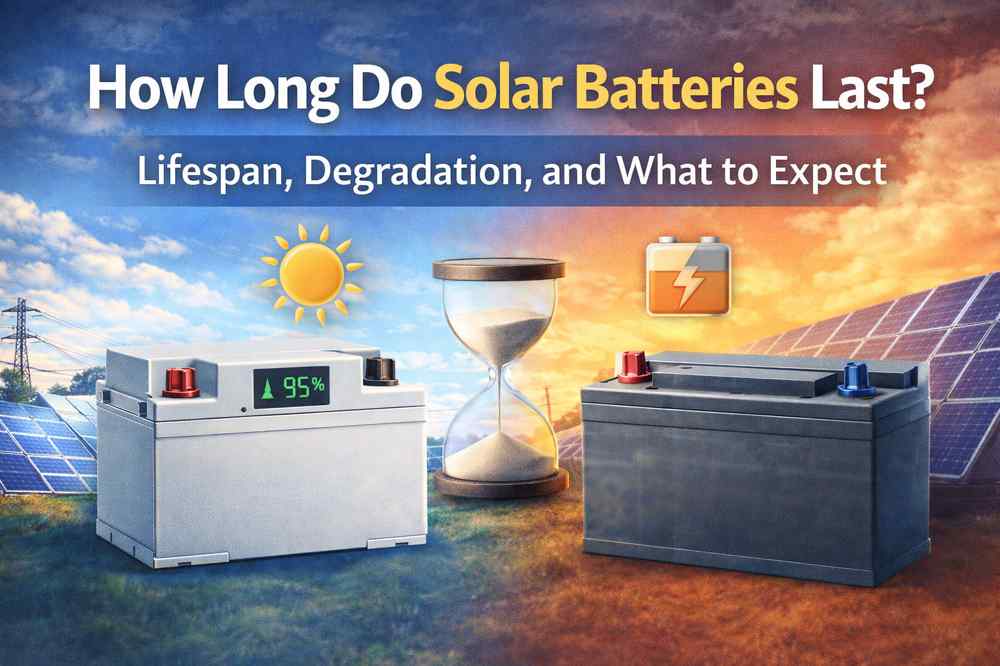
Most lithium batteries last 10–15 years, while lead-acid ones last around 3–5 years. And regular maintenance extends battery life.
Yes, they still generate power, though snow and shorter daylight can reduce output. But cold temperatures actually improve panel efficiency.
Yes, but you need to check inverter capacity and your utility’s interconnection rules. And sometimes, an upgrade to your charge controller is needed.
Yes, especially modern lithium batteries with built-in safety features. And proper installation reduces risks even further.
It depends on your total power usage, but most homes need 3000W–5000W. And surge loads must be considered during selection.
Kits are often cheaper because they’re bundled and tested for compatibility. And they save you time during setup.
Yes, with the right inverter and battery bank, you can run AC appliances. And high-wattage systems make this more practical.