Regular maintenance of your solar electricity inverter is essential for the longevity and efficiency of your solar power system. A well-maintained inverter not only ensures continuous, optimal energy conversion but also protects your investment by preventing costly repairs and downtime. Neglecting inverter maintenance can significantly reduce your system’s performance and shorten the lifespan of critical components.
In this guide, you’ll learn how to properly care for your solar electricity inverter, identify potential problems early, and keep your system running smoothly and efficiently for many years to come.
A solar electricity inverter is the heart of your photovoltaic (PV) system. Its primary function is to convert direct current (DC) electricity generated by your solar panels into alternating current (AC) electricity that your home or business can use. Without the inverter, the energy harvested from your solar panels would be unusable for your household appliances and electronics.
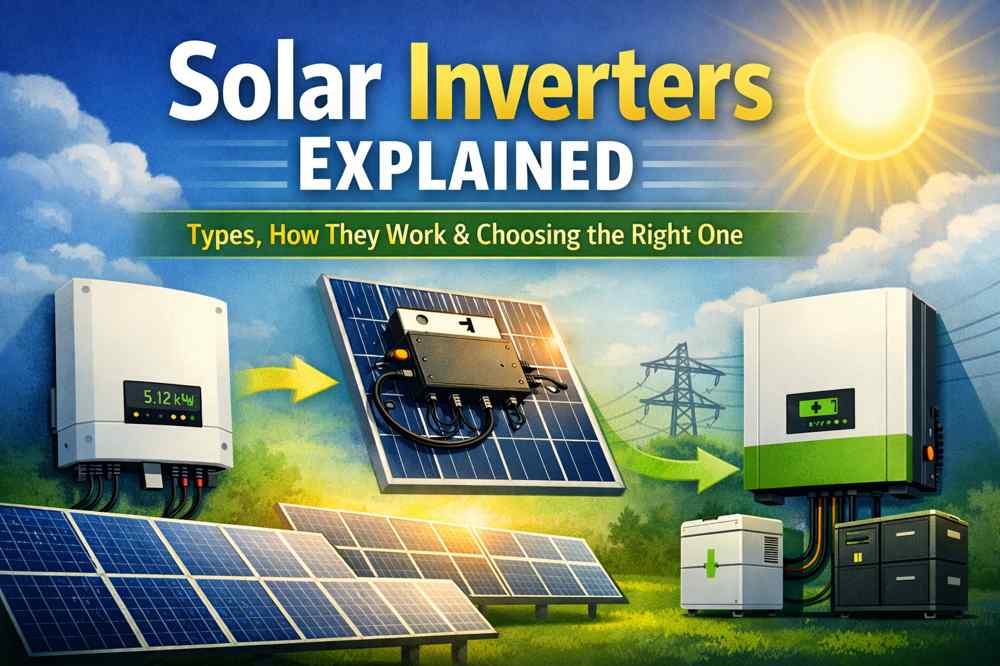
There are several types of solar electricity inverters—including string inverters, microinverters, and hybrid inverters—each serving the same fundamental purpose but differing slightly in their method of energy conversion and installation. Regardless of type, all inverters contain sensitive electronic components that require routine inspection and maintenance.
👉 Read our full comparison:
String Inverter vs. Microinverter: Which Solar Inverter Is Better?
https://aceflex.us/string-inverter-vs-micro-inverter-which-solar-inverter-is-better/
Regular upkeep is necessary because factors like temperature fluctuations, dust accumulation, moisture, and aging components can gradually diminish inverter performance and efficiency. By understanding how your inverter works, you can more effectively maintain it and quickly recognize signs of potential issues.

Regular and careful maintenance is key to keeping your solar electricity inverter operating at peak performance. Below, you’ll find essential steps you should routinely follow to maintain optimal inverter functionality:
Check your inverter periodically (at least once every three months) for visible signs of dirt, dust, debris, or damage. Dirt accumulation can cause overheating, reducing the inverter’s efficiency. Gently clean the inverter housing with a soft, dry cloth or a brush. Avoid using water or harsh chemicals.
Cooling fans and vents can easily become clogged, limiting airflow and increasing the risk of overheating. Carefully inspect and gently clean these areas with compressed air or a soft brush to remove dust and debris. Keeping fans clean ensures effective cooling, extending your inverter’s lifespan.
Loose or damaged electrical connections can lead to serious problems, including power inefficiencies and safety hazards. Regularly inspect wiring and connections for signs of corrosion, looseness, or damage. If you notice any issues, consult a professional electrician promptly.
Many modern solar electricity inverters offer software updates and online monitoring capabilities. Keep your inverter’s firmware up-to-date to enhance functionality, improve efficiency, and resolve software-related issues. Regularly check monitoring apps or platforms to identify performance irregularities early.
Following these maintenance steps regularly will help ensure that your inverter operates smoothly, maintaining maximum efficiency and reliability for your solar energy system.#
👉 Read our full guide:
Solar System Monitoring: How It Works & Why It Matters
https://aceflex.us/solar-system-monitoring/
Even well-maintained solar electricity inverters can occasionally experience issues. Knowing how to identify common problems quickly—and understanding how to resolve them—helps minimize downtime and keeps your solar system running effectively. Here are some typical issues and solutions:
Identifying issues early and knowing how to handle them will help maintain your inverter’s reliability and protect your investment.
While maintaining your solar electricity inverter regularly is essential, understanding which tasks you can safely handle yourself—and when you should call a professional—is equally important. Here’s a clear breakdown to guide your decision-making:
Knowing your limits and clearly understanding when professional expertise is needed helps protect your solar system investment and ensures ongoing safety and performance.
Your solar electricity inverter is the backbone of your solar power system—and with just a little care, it can serve you reliably for over a decade. Regular inspections, proper cleaning, timely software updates, and occasional professional check-ups are all part of a smart maintenance routine. These simple actions protect your investment, maximize energy efficiency, and help you avoid unnecessary downtime or costly repairs.
At AceFlex, we don’t just offer high-performance solar inverters—we also provide the tools and support you need to maintain them. Whether you’re looking for protective accessories, monitoring solutions, or expert guidance, we’ve got your back.
👉 Explore our Inverter section now to find your solar electricity inverter—and keep your solar system running at its best!

Most manufacturers recommend a basic inspection and cleaning every 3–6 months, with a professional check-up once a year. Frequency may vary based on your location, weather conditions, and system usage.
Neglecting maintenance can lead to overheating, reduced efficiency, undetected faults, or even complete inverter failure. This can shorten your system’s lifespan and reduce your overall solar return on investment.
Yes. Some warranties require proof of proper maintenance. Skipping regular service or ignoring installation guidelines can void your inverter warranty. Always check your warranty conditions.
Watch for warning lights, unusual noises, fault codes on the display, or unexpected drops in solar energy output. Remote monitoring tools also provide real-time performance alerts.
For any physical inspection, cleaning, or connection check, it’s safest to turn off the inverter completely and follow the manufacturer’s shutdown procedures. Never open the housing or touch internal components while the unit is powered.
You can handle routine cleaning, visual inspections, and monitoring. However, for electrical work, wiring checks, or internal issues, always contact a qualified professional to avoid risks and ensure compliance.
Place the inverter in a well-ventilated, shaded location to prevent overheating. Clean the cooling fans and vents regularly, perform firmware updates, and schedule annual professional check-ups to catch issues early.
Absolutely. Power surges—especially from lightning—can damage sensitive inverter electronics. Installing a surge protector adds an important layer of protection and can prevent costly repairs.
Monitoring systems help track performance in real time, alert you to issues immediately, and often allow for remote troubleshooting. It’s one of the easiest ways to ensure consistent solar output and efficiency.