One of the first questions homeowners ask when considering solar energy is: how much does solar panel installation cost?
While solar systems can significantly reduce electricity bills, the upfront investment varies depending on several factors. Understanding these costs is essential for making an informed decision and evaluating long-term savings.
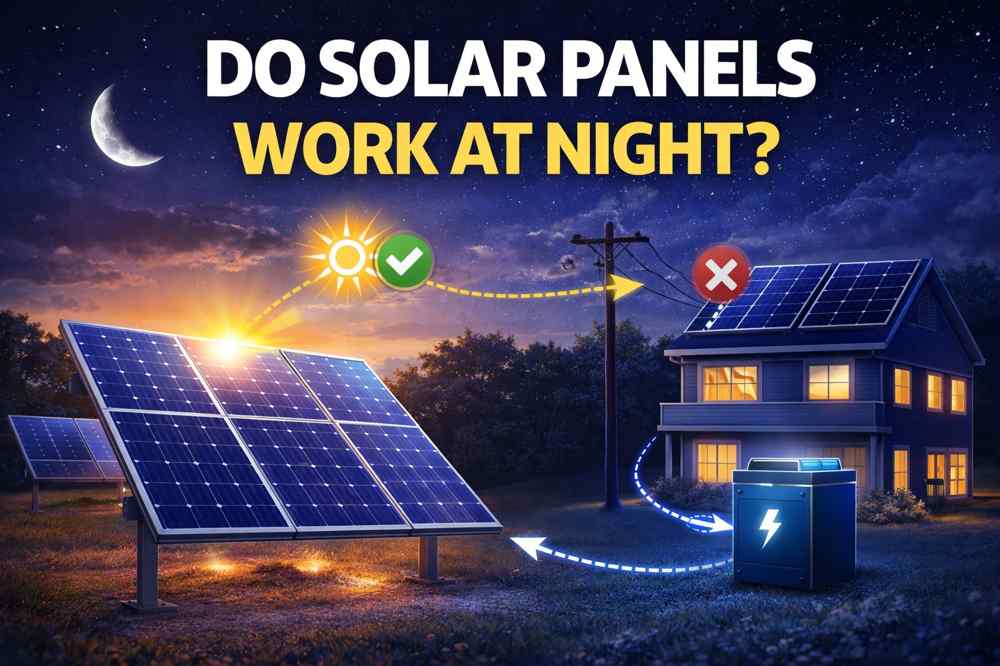
Before evaluating costs, it helps to understand how solar panels work and how they generate electricity for your home.

The cost of a residential solar system typically ranges between:
For a standard system:
These are gross costs before incentives.
Several factors impact pricing.
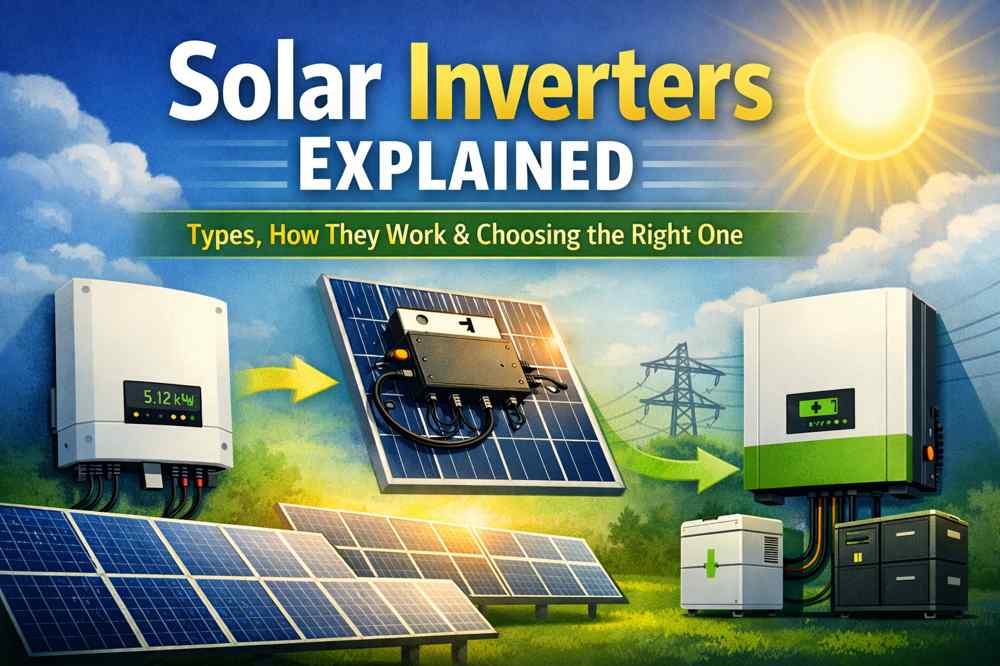
A solar system consists of multiple components, including panels, mounting systems, and inverters. Learn more in solar inverters: how they work & why they matter.
Total system cost consists of:
DIY systems can reduce installation costs significantly.
Typical 8 kW system:
Understanding this breakdown helps identify savings opportunities.
Homeowners have two main options:
DIY kits can significantly reduce total investment.
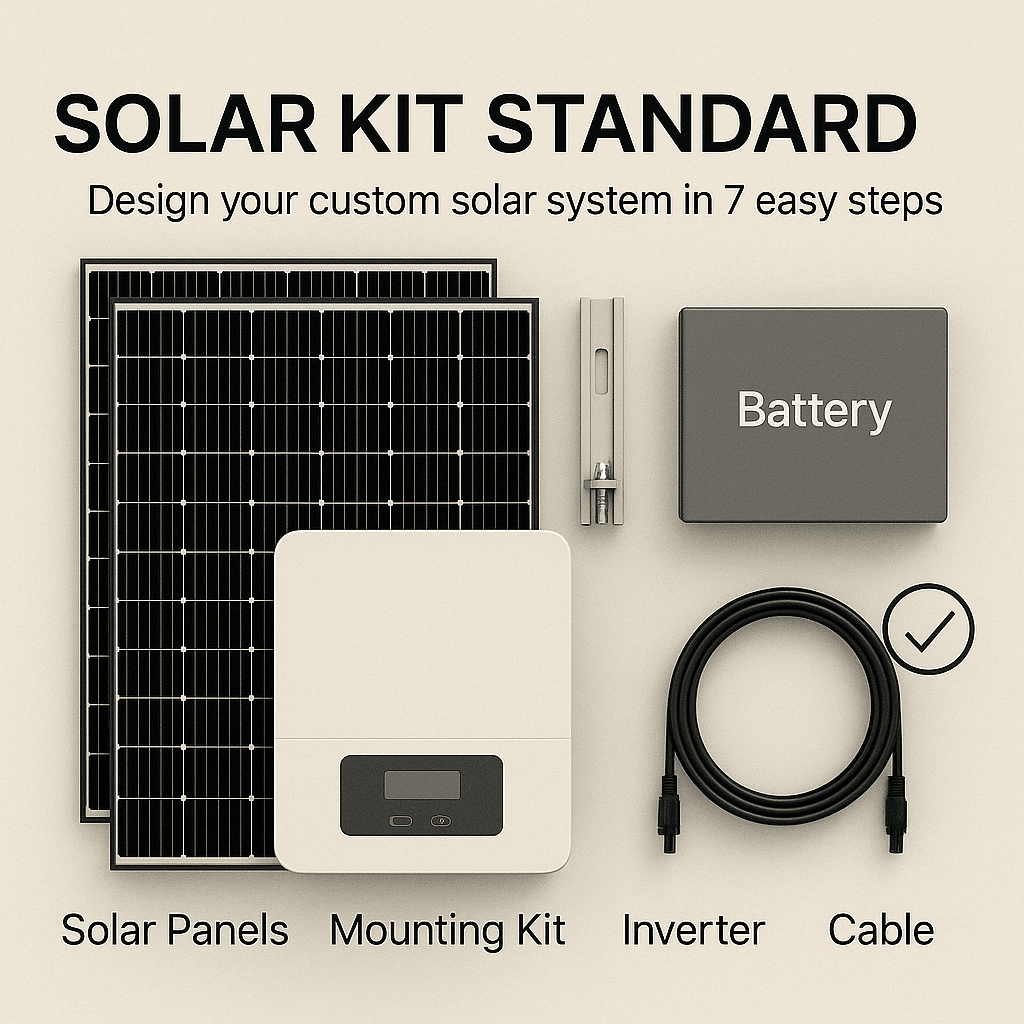
🔆 Standard Solar Kit – Your Custom Solar System in 7 Guided Steps
Design your solar setup with full flexibility and pre-configured mounting: choose solar panels, inverter, battery, mounting kit, wiring essentials, combiner, and accessories – all step by step and fully compatible.
✅ Includes mounting material from K2 Systems for standard layouts
✅ Choose only the components you need
✅ DIY-friendly and pre-checked for compatibility
✅ 🎁 Battery discount included when bundled
Solar systems provide:
Typical payback period:
Homeowners can choose:
Each option affects total cost and savings.
These should be factored into total cost.
Smart planning can significantly reduce costs.
Homeowner installs:
After incentives:
Savings:
Modern solar systems are becoming more accessible and customizable.
Preconfigured kits simplify installation and ensure compatibility.
AceFlex provides carefully selected solar panels, inverters, batteries, and DIY solar kits designed for residential solar systems in the United States.

So, how much does solar panel installation cost?
While upfront costs can be significant, long-term savings and incentives make solar a strong investment for many homeowners.
Understanding cost drivers allows you to make smarter decisions and optimize your system for maximum value.
Typically $2.50–$4.00 per watt.
Around $15,000–$40,000, depending on size.
Yes, due to long-term savings and incentives.
Yes, DIY kits can significantly lower installation expenses.
Typically 6–10 years.