Solar energy adoption in the United States continues to grow rapidly. Many homeowners want to reduce electricity costs and gain energy independence. One of the first decisions people face is whether to lease solar panels or buy them outright.
Understanding the difference between leasing and purchasing a solar system is essential before installing solar panels on your home.
In this guide, we compare solar panel lease vs buy, explain the financial implications, and help homeowners determine which option fits their situation best.

A solar panel system can be financed in two primary ways:
• Leasing the solar panels from a provider
• Buying the solar system outright or through financing
Here is a quick overview.
| Feature | Solar Lease | Buying Solar Panels |
|---|---|---|
| System ownership | Solar company | Homeowner |
| Upfront cost | Usually low or $0 | Higher upfront investment |
| Electricity savings | Moderate | Higher long-term savings |
| Federal tax credit | Not available to homeowner | Available |
| Maintenance | Usually included | Owner responsibility |
| Home value impact | Limited | Often increases value |
For most homeowners planning to stay in their property long term, buying solar panels typically delivers greater financial benefits.
A solar panel lease allows homeowners to install solar panels without purchasing the system.
Instead of owning the equipment, the homeowner signs a contract with a solar provider. The company installs and owns the solar panels on the roof.
The homeowner then pays a monthly lease payment to use the system.
Typical lease terms include:
• Contract length of 20–25 years
• Fixed monthly payment
• Maintenance handled by the provider
• Little or no upfront cost
Leasing became popular during the early growth of the residential solar market because it reduced the upfront investment.
However, leasing also limits the financial benefits of solar energy.
Buying solar panels means you own the entire solar energy system installed on your property.
Homeowners can purchase solar systems in three common ways:
• Paying cash for the system
• Financing through a solar loan
• Using home equity financing
When homeowners purchase solar panels, they gain several advantages:
• Eligibility for federal tax incentives
• Long-term electricity savings
• Full ownership of the system
• Potential increase in property value
Owning the solar system also provides full control over system upgrades and energy storage options.
The financial difference between leasing and buying solar panels can be substantial over time.
Leased solar systems generally require minimal upfront investment.
Typical costs include:
• $0–$1,000 upfront installation cost
• Monthly lease payment between $50–$150
• Contract length of 20–25 years
Over the full contract term, homeowners may pay $15,000–$30,000 or more in lease payments.
The solar provider receives most of the financial benefits.
Buying solar panels requires a higher initial investment.
Average residential system cost in the United States:
• $15,000–$30,000 before incentives
Over the lifetime of the system, homeowners often save tens of thousands of dollars on electricity bills.
The biggest difference between leasing and buying solar panels is long-term financial savings.
Savings are limited because the solar provider owns the system.
Benefits typically include:
• Lower electricity bills
• Protection from rising utility rates
However, the monthly lease payment reduces total savings.
Homeowners who buy solar panels benefit from the full value of the electricity produced.
Advantages include:
• Larger long-term savings
• No monthly lease payments
• Energy independence
A typical solar system can generate $20,000–$40,000 in electricity savings over its lifetime.
Maintenance responsibilities differ significantly between leasing and ownership.
Solar leasing companies usually handle maintenance and repairs.
Typical coverage includes:
• Equipment monitoring
• System repairs
• Panel replacement if needed
This can reduce concerns for homeowners who prefer a hands-off approach.
When homeowners purchase solar panels, they are responsible for maintenance.
Fortunately, solar panels require minimal upkeep.
Most systems only need:
• Occasional cleaning
• Periodic system inspections
Modern solar panels typically include 25–30 year performance warranties.
Another important factor in the solar panel lease vs buy decision is property value.
Studies show that homes with owned solar panels often sell for higher prices.
Buyers value the long-term energy savings and energy independence.
Leased solar systems can complicate home sales because:
• Lease contracts may transfer to the buyer
• Buyers must qualify for the lease agreement
• Some buyers prefer owned systems
As a result, owned solar systems often provide greater flexibility during property sales.
Solar technology continues to evolve rapidly. Homeowners may want to upgrade systems over time.
Lease agreements often restrict modifications.
Homeowners typically cannot:
• Upgrade equipment
• Add battery storage
• Expand the system
Changes usually require approval from the leasing provider.
When homeowners own the system, they maintain full flexibility.
They can:
• Add solar batteries
• Expand the solar array
• Upgrade inverters or components
This flexibility is valuable as energy storage and smart home technology continue to evolve.
Although purchasing solar panels often delivers better long-term value, leasing may still be attractive for some homeowners.
Leasing may be suitable when:
• Homeowners cannot afford upfront system costs
• Credit limitations prevent solar loans
• The homeowner plans to move within a few years
• Maintenance responsibility is a concern
For homeowners who want simple access to solar energy with minimal upfront cost, leasing can provide a lower barrier to entry.
Over the past decade, solar panel ownership has become increasingly popular.
Several factors drive this trend.
• Declining solar panel prices
• Improved financing options
• Federal tax incentives
• Increasing electricity costs
As a result, purchasing solar panels now delivers stronger financial returns for many homeowners.
Some homeowners are now exploring DIY solar systems to reduce installation costs and gain more control over their energy systems.
A typical residential solar setup includes:
• High-efficiency solar panels
• Solar inverter
• Battery storage (optional)
• Mounting systems
• Electrical components
At AceFlex, homeowners and installers can find carefully selected solar equipment to build reliable solar energy systems.
The store offers:
• High-efficiency solar panels
• Solar inverters
• Solar batteries
• Mounting systems
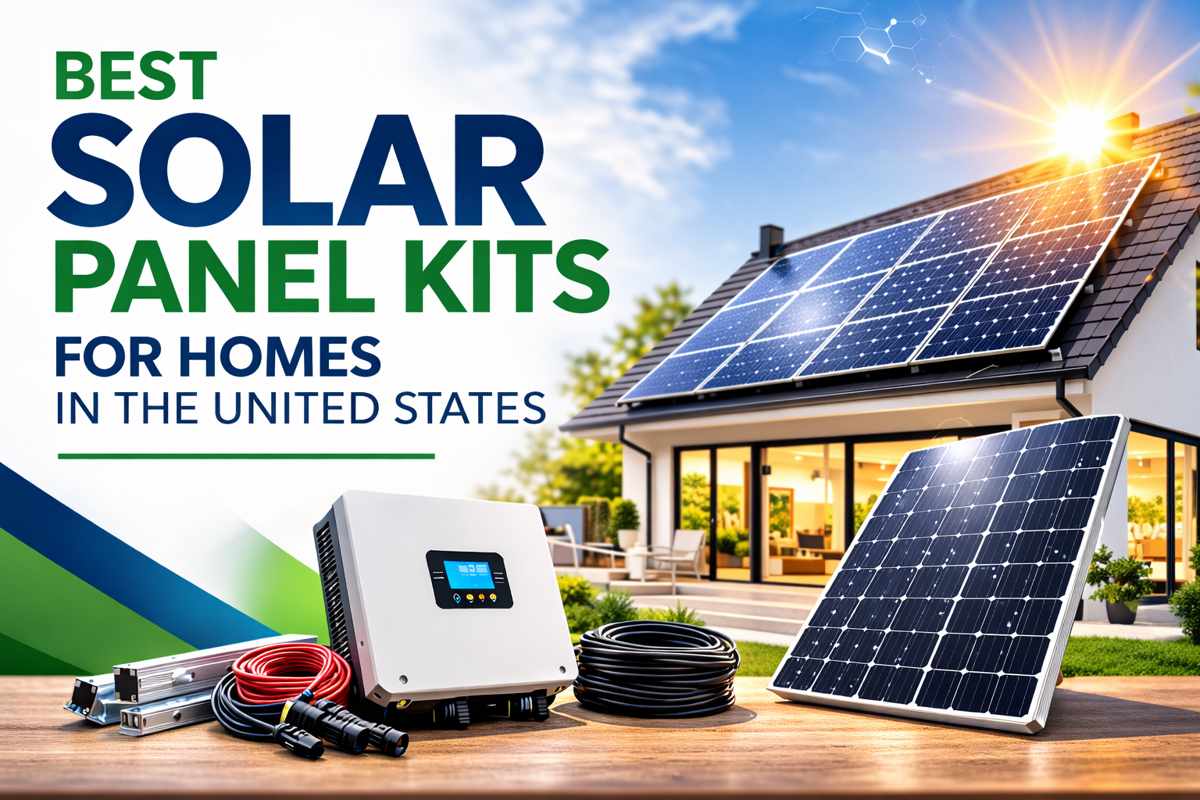
• Complete DIY solar kits
These components allow homeowners to build flexible solar energy systems designed for long-term performance.
Choosing between solar panel lease vs buy depends on financial goals, long-term plans, and personal preferences.
Leasing solar panels offers:
• Low upfront costs
• Simplified maintenance
• Easy access to solar energy
Buying solar panels offers:
• Higher long-term savings
• Eligibility for tax incentives
• Increased home value
• Full system ownership
For homeowners planning to stay in their homes long term, purchasing solar panels usually provides the greatest financial return.
As solar technology becomes more affordable and accessible, owning a solar system is becoming the preferred option for many homeowners across the United States.
For most homeowners, buying solar panels provides greater long-term savings and access to tax incentives.
No. Only the owner of the solar system can claim the federal solar tax credit.
The lease may transfer to the buyer, but the buyer must qualify for the lease agreement.
Leasing can reduce electricity costs, but savings are typically lower compared to owning the system.
Most modern solar panels include performance warranties of 25 to 30 years.