
The U.S. solar industry is growing at an unprecedented pace, driven by strong demand for clean energy solutions, falling technology costs, and supportive policies. For installers, contractors, and businesses operating in this competitive landscape, one decision stands out as critical: choosing the right solar equipment supplier.
The supplier you partner with doesn’t just provide hardware — they directly impact the quality, efficiency, and profitability of your solar projects. In this article, we’ll explore why your choice of supplier matters and outline the most important factors to consider before making a decision.
Selecting the right solar equipment supplier is more than just a purchasing decision; it’s a strategic partnership that can determine the long-term success of your projects. Here are the three main reasons why:
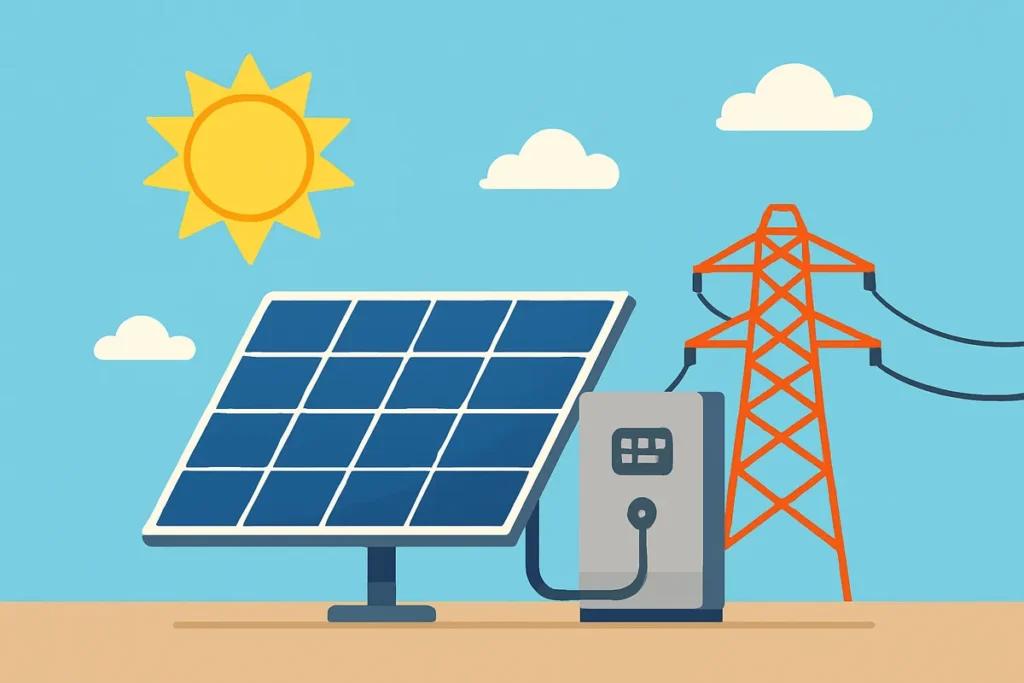
Not all suppliers are created equal. To build a reliable pipeline of solar projects, it’s important to evaluate potential partners against a clear set of criteria. The most successful solar businesses look for these qualities in a supplier:
Comprehensive Product Range
Access to panels, inverters, racking, storage, and wiring essentials from one source simplifies procurement and ensures compatibility.
Verified Quality and Warranties
A trustworthy supplier carries products from reputable manufacturers and provides strong warranties that protect your investment.
Transparent Pricing
No hidden fees, surprise shipping costs, or inconsistent quotes. Transparency builds trust and enables accurate project budgeting.
Technical Expertise and Support
Beyond selling equipment, the right supplier offers knowledgeable guidance, helping you select the best components for each project.
Reliable Logistics and U.S. Distribution
On-time delivery and well-organized shipping reduce risk and keep your installation schedule on track.
Once you’ve identified potential suppliers, it’s essential to evaluate them carefully before committing. Here are practical steps to make the right choice:
By carefully evaluating suppliers across these areas, you can reduce risk, improve efficiency, and establish a long-term partnership that benefits both your business and your clients.

Even experienced installers and contractors can fall into traps when selecting a solar equipment supplier. Being aware of these pitfalls can save time, money, and unnecessary frustration:
The relationship you build with your solar equipment supplier can become a true competitive advantage. Reliable suppliers do more than simply deliver products — they help ensure that every project runs smoothly from start to finish.
When equipment arrives on time and is fully compatible, installations can be completed faster and with fewer complications. This efficiency not only protects project margins but also enhances your reputation with clients who value professionalism and reliability. Over time, this trust translates into repeat business and long-term customer relationships.
Beyond the operational benefits, the right supplier supports your growth. By providing consistent access to quality equipment and expert guidance, they enable you to scale with confidence and take on more ambitious projects. In a rapidly evolving industry like solar, having a dependable partner by your side means you can focus on expanding your business instead of managing unnecessary risks.
At AceFlex, we understand that choosing a solar equipment supplier is not just about sourcing hardware — it’s about finding a partner who helps you succeed in every project. That’s why we focus on the things that matter most to installers and businesses: speed, reliability, and expert support.
We know that time is critical in the solar industry. That’s why we prioritize fast responses to inquiries and clear communication throughout the ordering process. Our goal is to give you the answers you need quickly, so you can keep your projects moving without delay.
Beyond delivering products, we also provide free consulting to help you select the right components for your system. Whether you are looking for panels, inverters, racking, or wiring essentials, we take the guesswork out of procurement by guiding you toward solutions that fit both your technical requirements and budget.
Transparency is another cornerstone of how we work. Our pricing is straightforward, our return policy is simple, and we ship reliably across the U.S. With AceFlex, you don’t have to worry about hidden costs or long waiting times — just the confidence that your equipment will arrive on schedule and perform as expected.
By combining fast communication, professional consulting, and a customer-first approach, AceFlex positions itself as more than just a supplier — we are a partner dedicated to helping you grow your solar business with confidence.
Selecting the right solar equipment supplier is one of the most important decisions for any installer, contractor, or business operating in the solar industry. The supplier you choose impacts the reliability of your projects, the trust of your clients, and ultimately the profitability of your business. By focusing on quality, transparency, and support, you can avoid common pitfalls and secure a long-term partner who adds real value to your operations.
At AceFlex, our mission is to make sourcing solar equipment simple, reliable, and cost-effective. With fast responses, free expert consulting, and a transparent approach to pricing and shipping, we provide more than just products — we provide peace of mind.
If you are ready to streamline your procurement process and partner with a supplier who puts your success first, we invite you to explore our product range or request a tailored offer today. Together, we can power your projects with confidence.

A solar equipment supplier provides the hardware required to build a solar power system, including panels, inverters, racking, storage, and wiring essentials. Reliable suppliers also offer consulting and support to ensure system compatibility and efficiency.
Manufacturers typically sell in bulk and may not provide the same level of support or flexibility. A specialized supplier offers a broader product range, expert guidance, and faster delivery options tailored to installers and businesses of all sizes.
Look for qualities such as a wide product range, verified warranties, transparent pricing, responsive communication, and reliable U.S. shipping. The right partner should simplify procurement and support your long-term growth.
Most suppliers provide solar panels, inverters, racking systems, storage solutions, junction boxes, and wiring essentials. A full-service supplier helps ensure all components are compatible and delivered on time.
Yes, many suppliers offer value-added services such as free consulting, design advice, or compatibility checks. This helps you avoid costly mistakes and ensures your solar projects run smoothly.
Very important. Delays in delivery can disrupt project timelines and increase costs. A reliable supplier prioritizes fast responses and efficient shipping to keep your installations on schedule.
Return policies vary, but reputable suppliers offer flexible return options and work only with manufacturers that provide strong warranties. Always confirm return terms before purchasing.
The 120% rule refers to the National Electrical Code (NEC) guideline that allows a solar system’s back-fed breaker to be up to 120% of the busbar rating of your electrical panel. In practice, this often limits the size of the solar system that can be connected without upgrading the main service panel.
In most cases, manufacturers sell only to authorized distributors or large-scale buyers. However, with AceFlex, you can access top-tier solar panels directly without needing to go through multiple middlemen.
The maximum number depends on your roof size, energy needs, and local regulations. There is technically no strict upper limit, but utility rules and panel spacing on your property will determine the feasible maximum.
Yes, you can purchase solar panels and components yourself. Many homeowners opt for DIY Solar Kits, though professional installation is recommended to ensure compliance with building codes and utility requirements.