Harnessing solar power is an incredible way to take control of your energy costs and reduce your environmental footprint. But without a battery for solar charging, you’re only tapping into half the potential of your solar system. A battery stores excess energy generated during the day so you can use it at night, during power outages, or when your panels aren’t producing enough electricity.
Whether you’re powering a remote cabin off-grid or simply want to increase your home’s energy independence, adding a reliable solar battery can make your system more efficient, resilient, and cost-effective. In this guide, we’ll walk you through how these batteries work, what types are best, and how to choose the right one for your setup.
🔧 Ready to take the next step? At AceFlex, we offer a wide selection of high-performance solar batteries designed to work seamlessly with your solar panels and inverters. Explore our range today and build your custom solar solution with ease.
How Does a Solar Charging Battery Work?
A battery for solar charging acts as the heart of your energy storage system. During the day, your solar panels generate DC electricity from sunlight. This power either goes directly to your appliances or is converted into AC through an inverter. But what happens when production exceeds your consumption? That’s where the battery comes in.
The excess energy is stored in the battery and can be used later—at night, on cloudy days, or during a grid outage. Most modern solar batteries, especially Lithium Iron Phosphate (LiFePO4) types, offer deep-cycle functionality, high efficiency, and long lifespans, making them ideal for residential and commercial use.
Basic Function Flow:
Charge: Solar panels send DC power to the battery (via a charge controller or hybrid inverter).
Store: The battery holds the energy until it’s needed.
Discharge: When solar production drops, the battery releases stored power to keep your system running.
🔋 Tip: Choosing a battery with the right capacity and compatibility is key to maximizing your system’s potential. Not sure where to start? Check out our customizable Solar Kits with Battery Options for a complete solution.
Best Types of Batteries for Solar Charging
When it comes to choosing the best battery for solar charging, not all technologies are created equal. The right choice depends on your energy needs, budget, and setup—but some battery types clearly stand out for modern solar systems.
1. Lithium Iron Phosphate (LiFePO4)
High efficiency and long cycle life (up to 6,000 cycles)
Lightweight and compact, ideal for residential use
Safe chemistry, with built-in protections against overheating
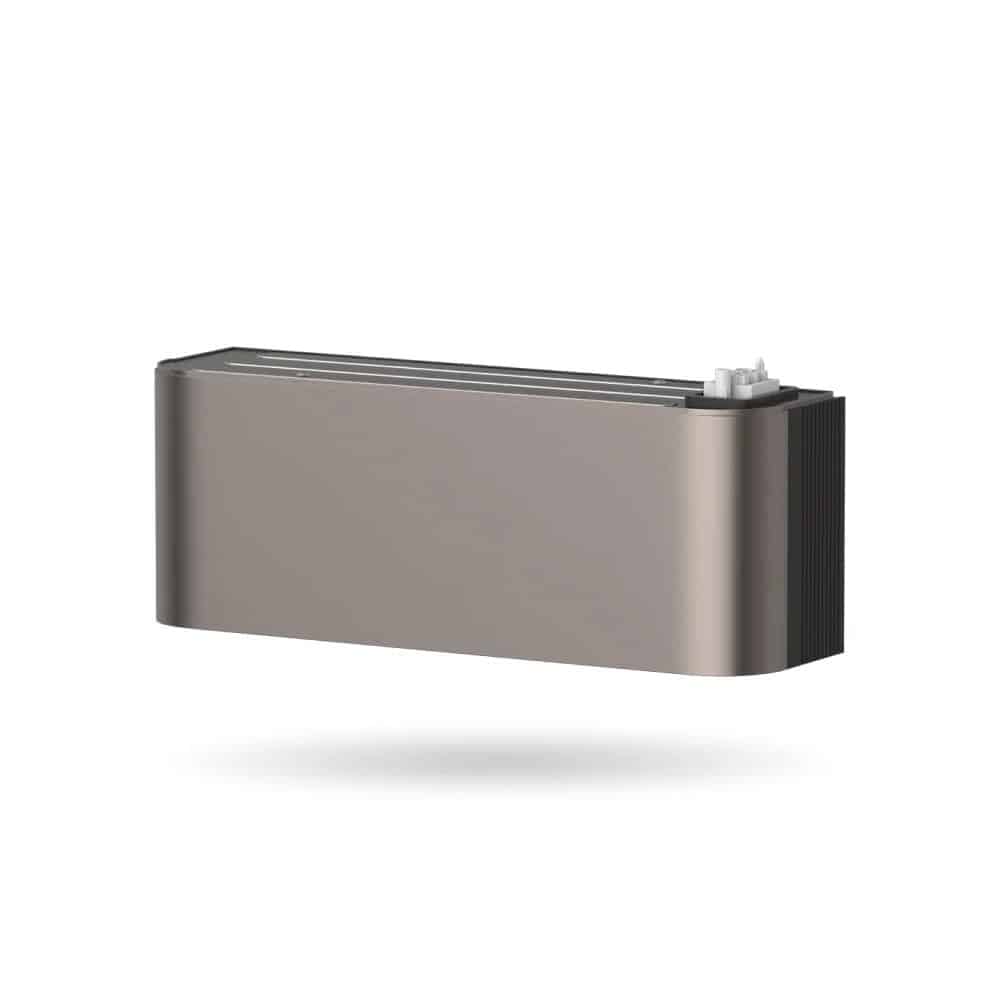
Popular model: Canadian Solar 3.3 kWh Battery Modules
✅ 3.3 kWh modular battery – scalable up to 19.9 kWh ✅ Safe and durable LiFePO₄ technology for long-term reliability ✅ Compact low-voltage design – ideal for residential energy storage systems
✅ Maintenance-free and spill-proof ✅ Good for moderate daily cycling ⚠️ Lower cycle life and heavier than lithium options
3. Gel Batteries
✅ Perform well in hot climates ✅ Deep-discharge capable ⚠️ More sensitive to charging rates and conditions
While AGM and Gel batteries were common in the past, lithium batteries are now the top choice for both grid-tied and off-grid solar systems due to their durability, safety, and performance.
🛒 Need help deciding? Browse our Solar Battery Collection and compare leading models from brands like FoxESS, Mango Power, and Fortress Power – all trusted and tested in real-world installations.
How to Choose the Right Battery for Your Solar System
Selecting the ideal battery for solar charging depends on more than just price or brand. To get the best performance and longevity out of your system, you need to match the battery’s specifications with your energy goals and technical setup.
Key Factors to Consider:
1. Storage Capacity (kWh) How much energy do you want to store? For basic backup or nighttime use, 5–10 kWh may be sufficient. For off-grid living or large households, aim higher.
2. Voltage & Compatibility Make sure the battery matches your inverter system—common setups are 48V for residential use. Hybrid inverters like the FoxESS 11.4kW work well with modular lithium storage.
3. Depth of Discharge (DoD) Lithium batteries can typically discharge 80–90% of their energy without damage, offering more usable capacity than lead-acid types.
4. Cycle Life Look for batteries with 4,000+ cycles if you want long-term reliability—especially important in daily-use systems.
5. Expandability Can you add more batteries later? Scalable systems like the Mango Power let you grow with your energy needs.
💡 AceFlex Tip: Unsure which battery fits your system? Use our free quote tool or reach out for a personal recommendation—we’re happy to help you design the perfect setup!
Use Cases: When Do You Really Need a Battery for Solar Charging?
Not every solar setup requires a battery—but for many homeowners and businesses, it’s the key to unlocking true energy independence and peace of mind. Here sind die häufigsten Anwendungsfälle:
1. Nighttime Power Supply
Solar panels don’t work after sunset, but your home doesn’t stop using electricity. A battery stores daytime energy for use at night, reducing grid dependence and boosting self-consumption.
2. Backup During Power Outages
Grid down? No problem. With a battery, you can keep essential loads—like lights, Wi-Fi, fridges, and medical devices—running until power returns. Perfect for areas with unstable grids or frequent storms.
3. Off-Grid Living
For cabins, RVs, tiny homes, or remote properties, batteries are essential. They ensure 24/7 power with no grid connection required—especially when paired with efficient solar generation and a reliable inverter.
4. Peak-Shaving & Time-of-Use Optimization
In some utility regions, electricity is more expensive during peak hours. A battery lets you store cheap solar power and use it when grid rates are highest—saving serious money over time.
🔧 AceFlex Insight: Our modular Solar Kits let you build your own system with or without storage. Whether you’re going fully off-grid or just want emergency backup, we’ve got you covered.
AceFlex Product Recommendations –Battery for Solar Charging
Looking for a reliable battery to enhance your solar setup? At AceFlex, we offer top-tier solar batteries that deliver performance, durability, and seamless integration. Here are two outstanding options for residential and small commercial systems:
🔋 SolarEdge Energy Bank 10 kWh
10 kWh storage capacity for whole-home backup
Fully integrated with SolarEdge inverters and optimizers
Advanced safety features and remote monitoring via mySolarEdge app
Ideal for homeowners looking to add backup and time-of-use shifting with one of the most trusted names in solar energy.
🔧 AceFlex Bonus: All our battery solutions are tested for US residential compatibility and ship directly from certified suppliers. Plus, you can bundle them with your custom DIY Solar Kit for maximum savings and flexibility.
🔆 Premium Solar Kit – Your Custom Solar System in 7 Guided Steps
Design your solar setup with full flexibility and professional support: choose solar panels, inverter, battery, custom mounting kit, wiring essentials, combiner, and accessories – all step by step and fully compatible.
✅ Includes custom K2 mounting kit with professional layout planning
✅ Personalized K2 Report for your roof and module configuration
✅ DIY-friendly & pre-checked for compatibility
✅ 🎁 Battery discount included when bundled
Pro Tips Before You Buy a Battery for Solar Charging
Investing in a battery for solar charging is a smart move—but only if you choose the right one for your system and goals. These expert tips will help you avoid common pitfalls and make the most of your investment:
1. Check Compatibility First
Make sure your battery matches your inverter brand and system voltage. For example, the SolarEdge Energy Bank works best with SolarEdge inverters, while the Enphase IQ Battery 5P is designed for Enphase IQ systems.
2. Consider Temperature Tolerance
Extreme heat or cold can reduce battery performance. If you’re installing outdoors or in an unheated garage, look for batteries with integrated temperature management or place them in climate-stable areas.
3. Plan for the Future
Even if you don’t need much storage now, consider modular systems that allow you to scale later. Brands like Enphase or Mango Power make it easy to expand capacity as your needs grow.
4. Don’t Skip on Installation Planning
Even the best battery won’t perform if installed incorrectly. Make sure your installer is certified—or go with one of our DIY Kits, which are designed for safe and easy integration.
🛒 AceFlex Support: Not sure which setup is right for your roof, budget, or power needs? Our team is happy to help.
FAQ – Battery for Solar Charging
Can I add a battery to an existing solar system?
Yes! Most solar systems can be upgraded with a battery—especially if you’re using a hybrid inverter or microinverter system like Enphase or SolarEdge. Just make sure the battery is compatible with your current inverter and system voltage.
How long do solar batteries last?
Modern lithium solar batteries typically last 10–15 years or 4,000–6,000 cycles, depending on brand and usage. Products like the Enphase IQ 5P or SolarEdge Energy Bank are designed for long-term reliability.
Are solar batteries worth the investment?
Absolutely—especially if you’re aiming for energy independence, backup power during outages, or savings through time-of-use rates. Over time, a battery for solar charging can reduce your grid dependency and even increase your home’s value.
Can I run my house entirely on a solar battery?
That depends on your energy usage and battery size. A typical home needs at least 10–20 kWh of storage to go off-grid. For full independence, you’ll likely need multiple batteries or a larger energy management system.
Do solar batteries work at night?
Yes. That’s exactly what they’re for—storing solar energy during the day and releasing it when the sun isn’t shining. They allow your home to stay powered after sunset or during blackouts.
How many batteries do I need for my solar system?
It depends on your daily energy consumption. For example, a 5 kWh battery might power essentials for a few hours, while a 10 kWh+ setup can support an entire home during an outage.
What are the risks of choosing the wrong battery?
Incompatibility with your inverter, limited lifespan, poor efficiency, or lack of scalability. That’s why we always recommend choosing a tested system—or starting with an AceFlex DIY Kit, where all components are matched for optimal performance.