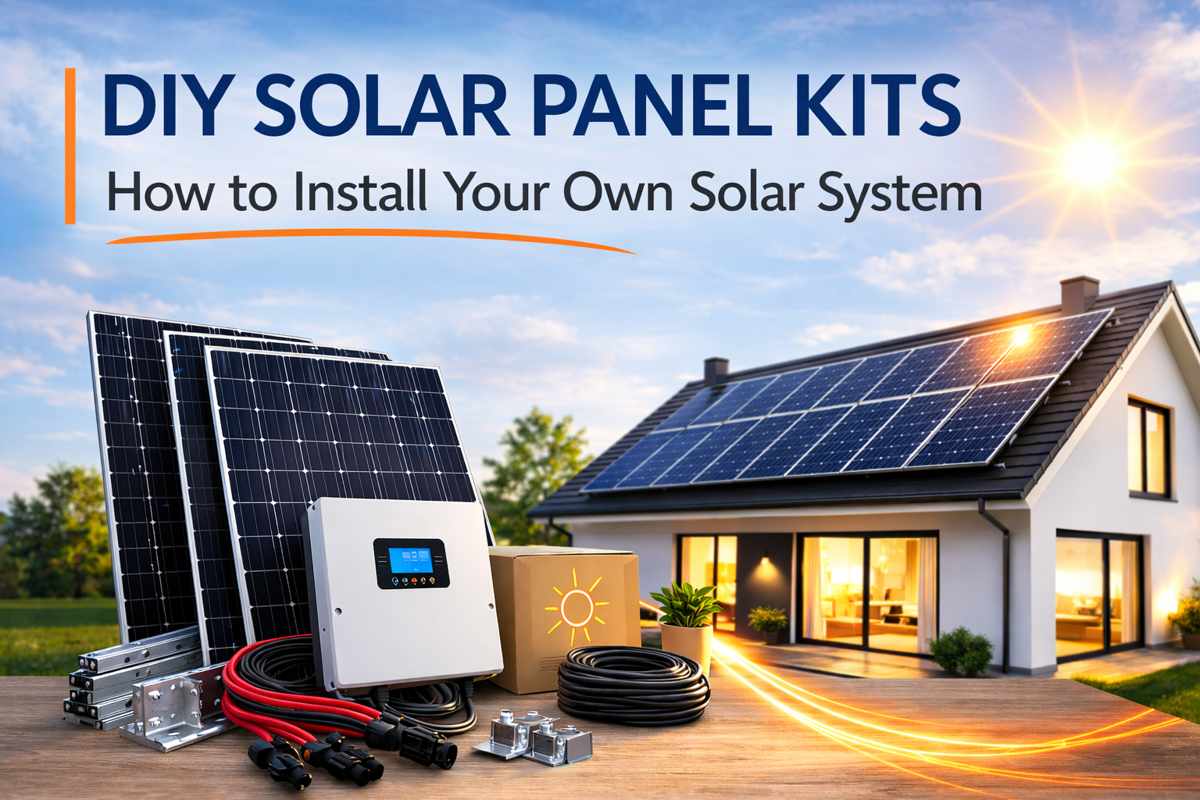
Solar energy is becoming increasingly accessible for homeowners across the United States. As solar technology improves and equipment becomes easier to install, many homeowners are choosing DIY solar panel kits to build their own solar energy systems.
DIY solar kits provide the essential components needed to generate solar power while allowing homeowners to manage part or all of the installation themselves. This approach can significantly reduce installation costs and gives property owners greater control over their solar projects.
In this guide, we explain how DIY solar panel kits work, what components they include, and how homeowners can determine whether installing a solar system themselves is the right choice.

DIY solar panel kits are complete packages of solar equipment designed for self-installation. Instead of hiring a solar installer to design and supply the system, homeowners can purchase a kit that contains compatible components needed for a solar power system.
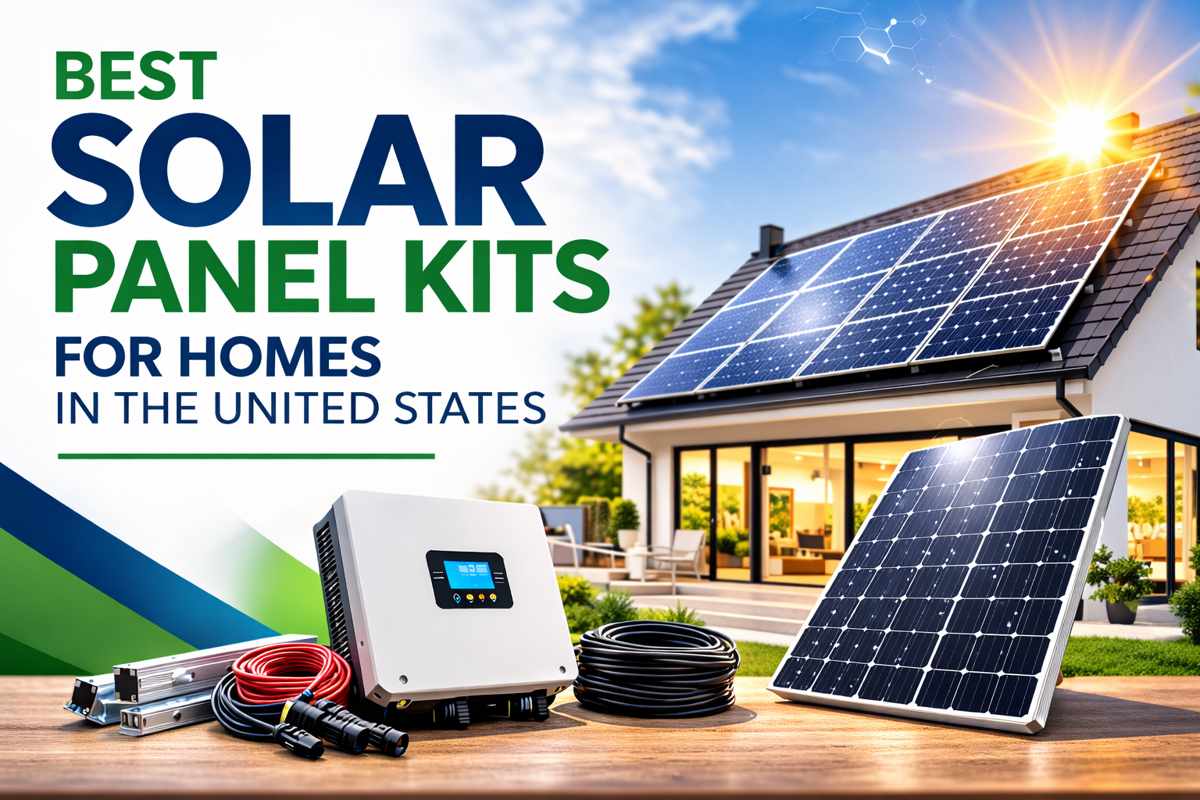
A typical DIY kit includes:
✔ Solar panels
✔ Solar inverter
✔ Mounting system
✔ Electrical wiring and connectors
✔ Monitoring equipment
Some kits may also include battery storage for additional energy independence.
These kits are designed to simplify system planning and reduce the complexity of sourcing individual solar components.
DIY solar installations have grown in popularity because they offer several important advantages.
Professional solar installation can represent a large portion of the total system cost. By installing the system themselves, homeowners can significantly reduce labor expenses.
For many systems, installation costs may represent 30–50% of the total project price.
DIY solar kits allow homeowners to capture these savings.
DIY installers can choose the exact equipment and system size that fits their energy goals.
This flexibility allows homeowners to:
Many homeowners enjoy learning about renewable energy systems and managing their own projects.
Installing a solar system can provide valuable experience with electrical systems, energy production, and sustainability.
A well-designed DIY solar kit contains the main components required to generate solar electricity.
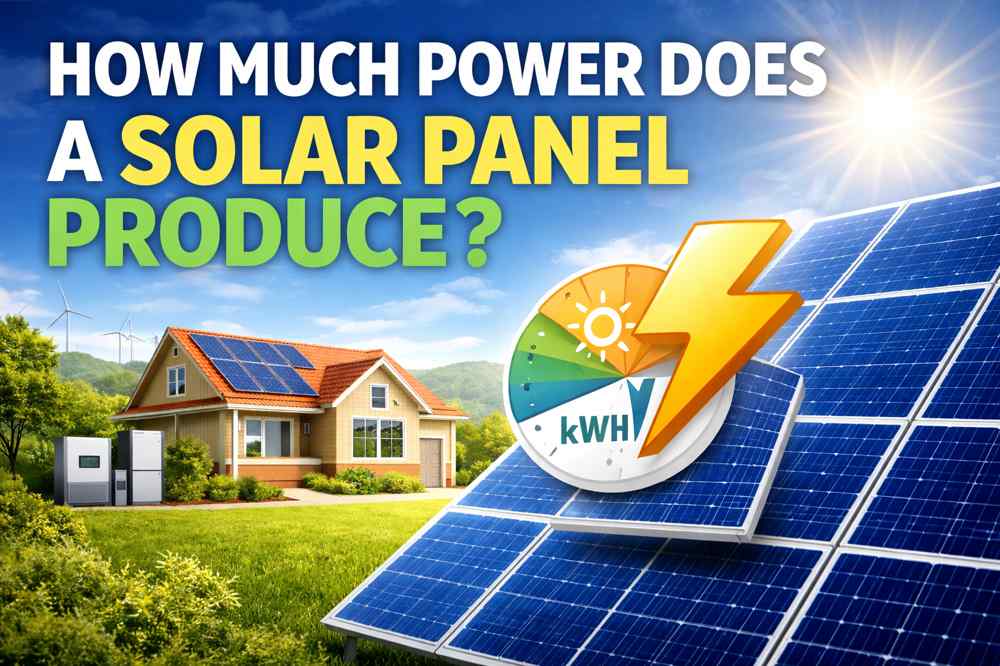
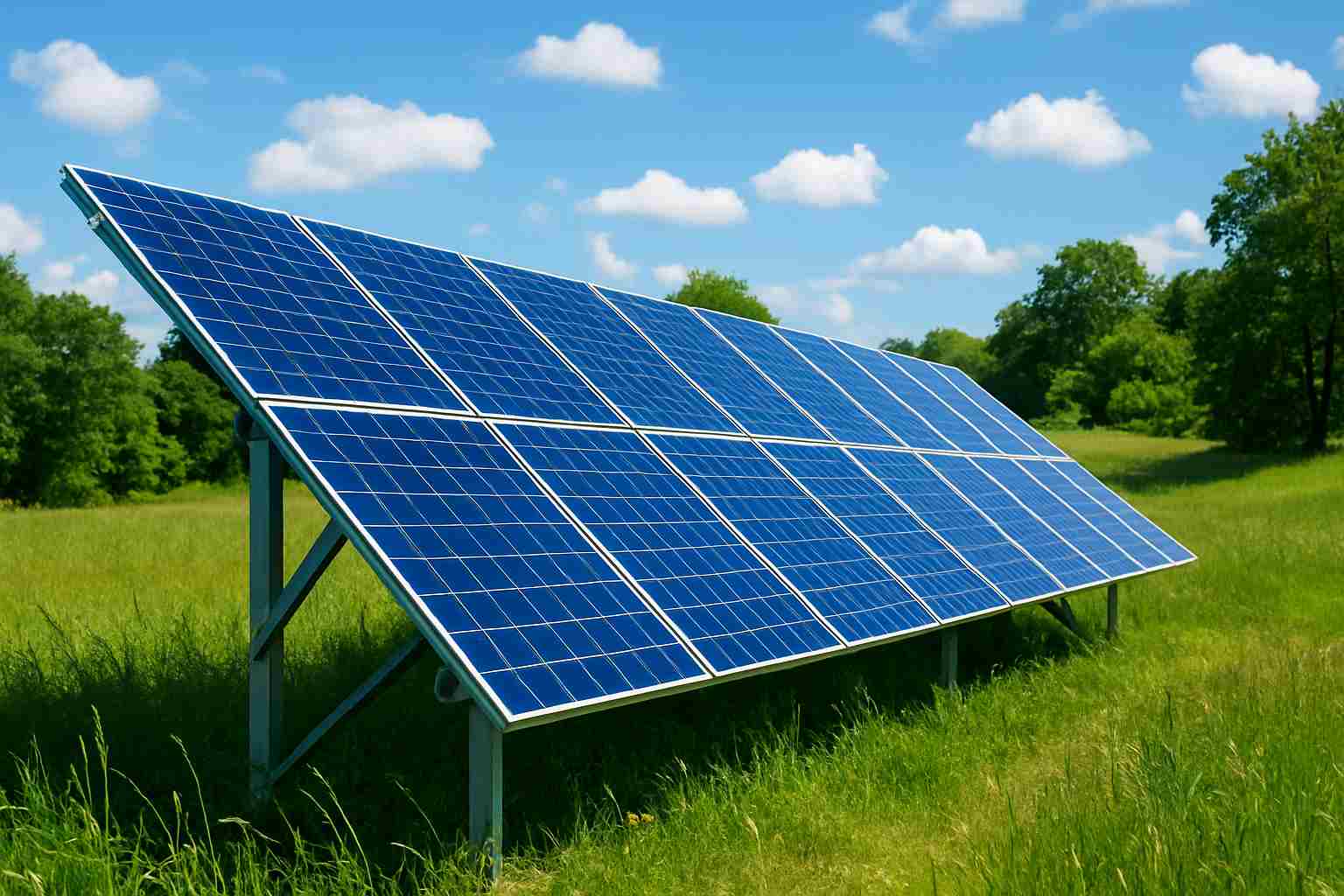
Solar panels convert sunlight into direct current (DC) electricity. Most residential installations use high-efficiency monocrystalline solar panels, which provide strong performance and durability.
Panel wattages commonly range between 400 and 450 watts for residential systems.
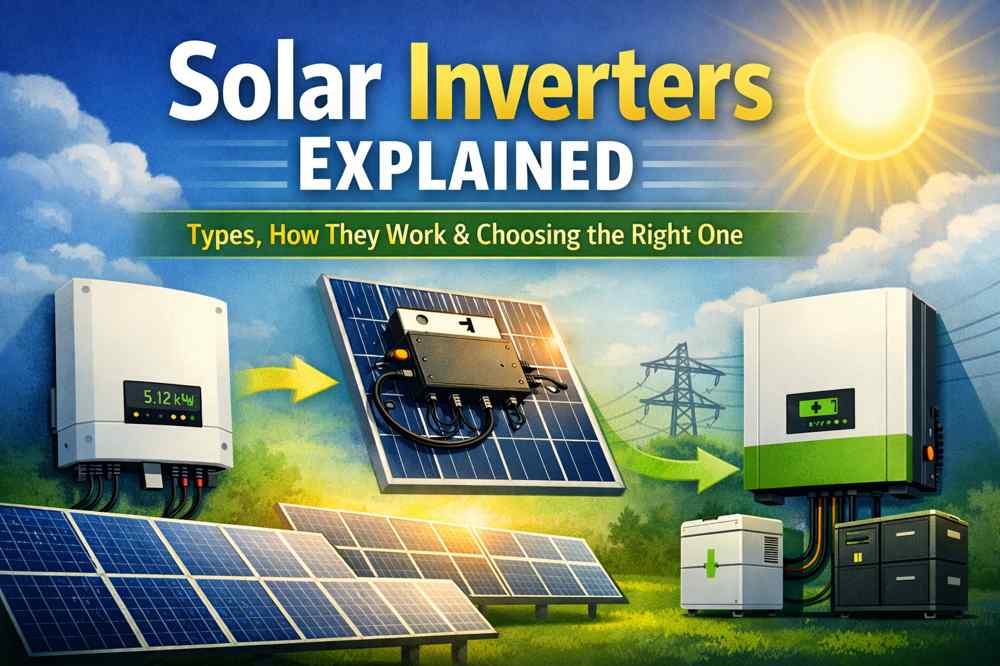
Solar inverters convert DC electricity produced by the panels into alternating current (AC) electricity used by household appliances.
Common inverter types include:
Each type offers different advantages depending on the system design.
Solar mounting systems secure the panels to the roof or ground structure.
These systems include:
Proper mounting ensures long-term durability and weather resistance.
Solar installations require specialized cables and connectors designed for outdoor environments.
These components typically include:
These parts connect the panels to the inverter and the home electrical system.
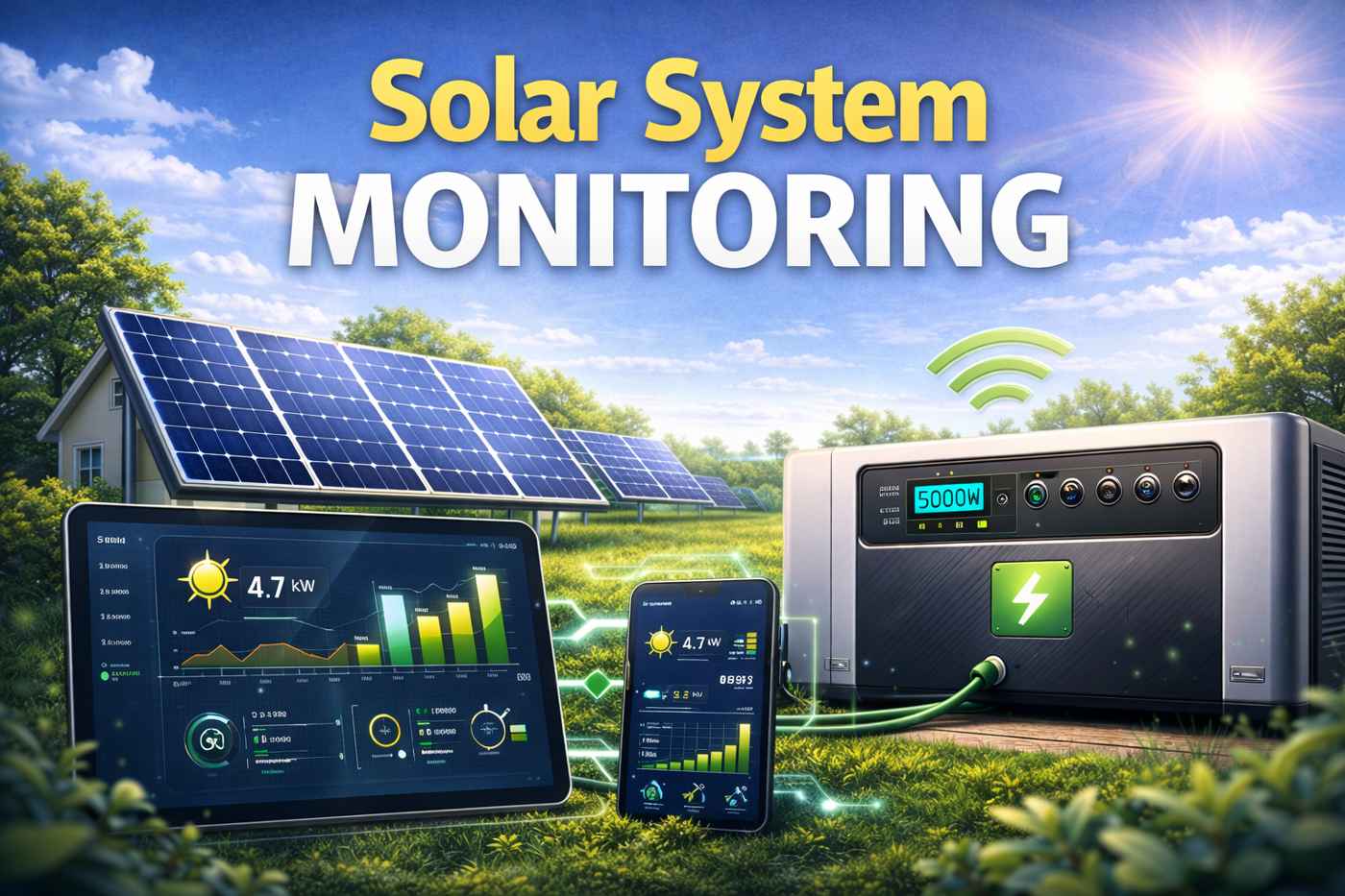
Many solar systems include monitoring platforms that allow homeowners to track energy production.
Monitoring tools help users:
While installation requirements vary by system type and location, most residential installations follow a similar process.
Before installing solar panels, homeowners should evaluate their roof conditions.
Important factors include:
South-facing roofs typically provide the highest solar production in the United States.
The appropriate system size depends on your household electricity usage.
Homeowners can estimate their energy needs by reviewing their annual electricity consumption.
For example:
Mounting hardware must be installed securely to support the solar panels.
Roof attachments are typically fastened to structural rafters to ensure stability.
Waterproof flashing components protect the roof from leaks.
Once the mounting system is installed, solar panels can be secured to the rails using clamps.
Panels are then electrically connected using MC4 connectors.
The inverter is typically installed near the main electrical panel.
Depending on the system design, the inverter may be located:
The final step involves connecting the solar system to the home electrical panel.
This step may require a licensed electrician depending on local regulations.
Homeowners should always follow local electrical codes and permitting requirements.
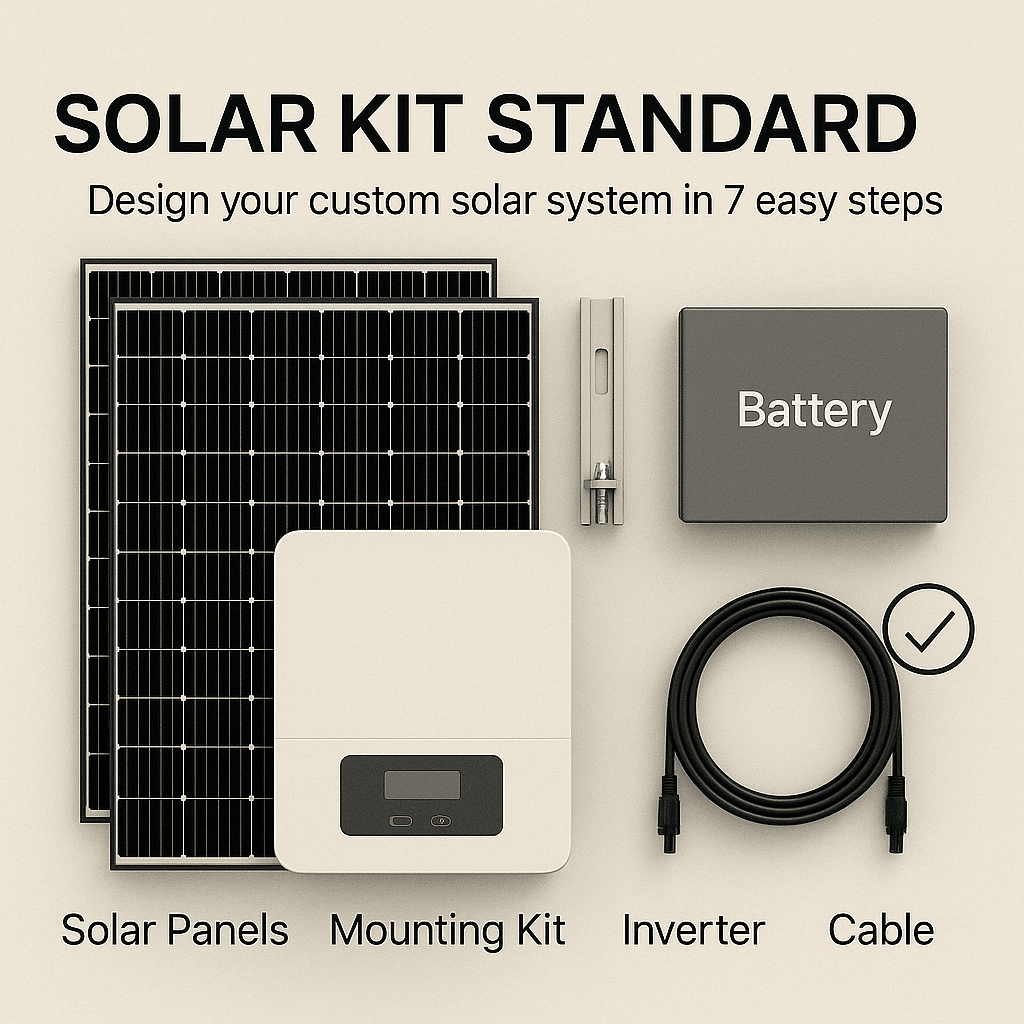
🔆 Standard Solar Kit – Your Custom Solar System in 7 Guided Steps
Design your solar setup with full flexibility and pre-configured mounting: choose solar panels, inverter, battery, mounting kit, wiring essentials, combiner, and accessories – all step by step and fully compatible.
✅ Includes mounting material from K2 Systems for standard layouts
✅ Choose only the components you need
✅ DIY-friendly and pre-checked for compatibility
✅ 🎁 Battery discount included when bundled
Yes, DIY solar installations are legal in most parts of the United States. However, local jurisdictions may require:
Homeowners should always check local regulations before starting a solar installation project.
The cost of DIY solar systems depends primarily on system size and equipment quality.
Typical equipment costs include:
| System Size | Typical Equipment Cost |
|---|---|
| 5 kW | $6,000 – $9,000 |
| 10 kW | $12,000 – $18,000 |
| 15 kW | $18,000 – $26,000 |
These figures represent equipment costs only and do not include potential installation expenses.
Federal tax incentives may reduce overall system costs.
DIY solar panel kits can be a practical solution for homeowners who:
However, homeowners who prefer a fully managed installation may choose to work with professional installers.
DIY solar panel kits make it easier for homeowners to install solar energy systems and reduce electricity costs. By providing compatible components in a single package, these kits simplify the planning and purchasing process.
For homeowners interested in energy independence and lower utility bills, DIY solar systems offer a practical path toward adopting renewable energy.
Careful system planning, quality equipment, and compliance with local regulations are essential for a successful solar installation.

DIY solar systems can be safely installed when proper equipment and electrical codes are followed.
Homeowners may reduce installation costs significantly by installing solar systems themselves.
Most kits include the main components required for a solar system, but additional electrical parts may sometimes be required.
Installation time varies depending on system size and experience but typically ranges from several days to a few weeks.
In many cases, homeowners installing solar systems themselves may still qualify for federal solar tax incentives.