Solar energy is expanding rapidly across the United States. As electricity prices increase and homeowners look for greater energy independence, many people are turning to solar panel kits as a practical way to install solar power systems.
Solar kits simplify the process of building a solar system. Instead of sourcing individual components, homeowners and installers can purchase a complete solar panel kit that includes the key equipment required to generate solar electricity.
In this guide, you will learn:
This article will help you understand how solar panel kits work and how to select the right system for your energy needs.
Solar panel kits are pre-configured packages of solar equipment designed to simplify the installation of solar power systems. Instead of purchasing individual components separately, a kit provides the essential hardware required to generate solar electricity.
Most solar power kits are designed for residential applications and contain compatible components that work together efficiently.
Typical users include:
Solar kits are popular because they reduce complexity during system planning and ensure that major components are compatible.
A typical solar panel kit contains several core components that work together to produce usable electricity.
Solar panels capture sunlight and convert it into direct current (DC) electricity. Panels are the most visible part of any solar installation and are typically mounted on rooftops or ground-mounted racks.
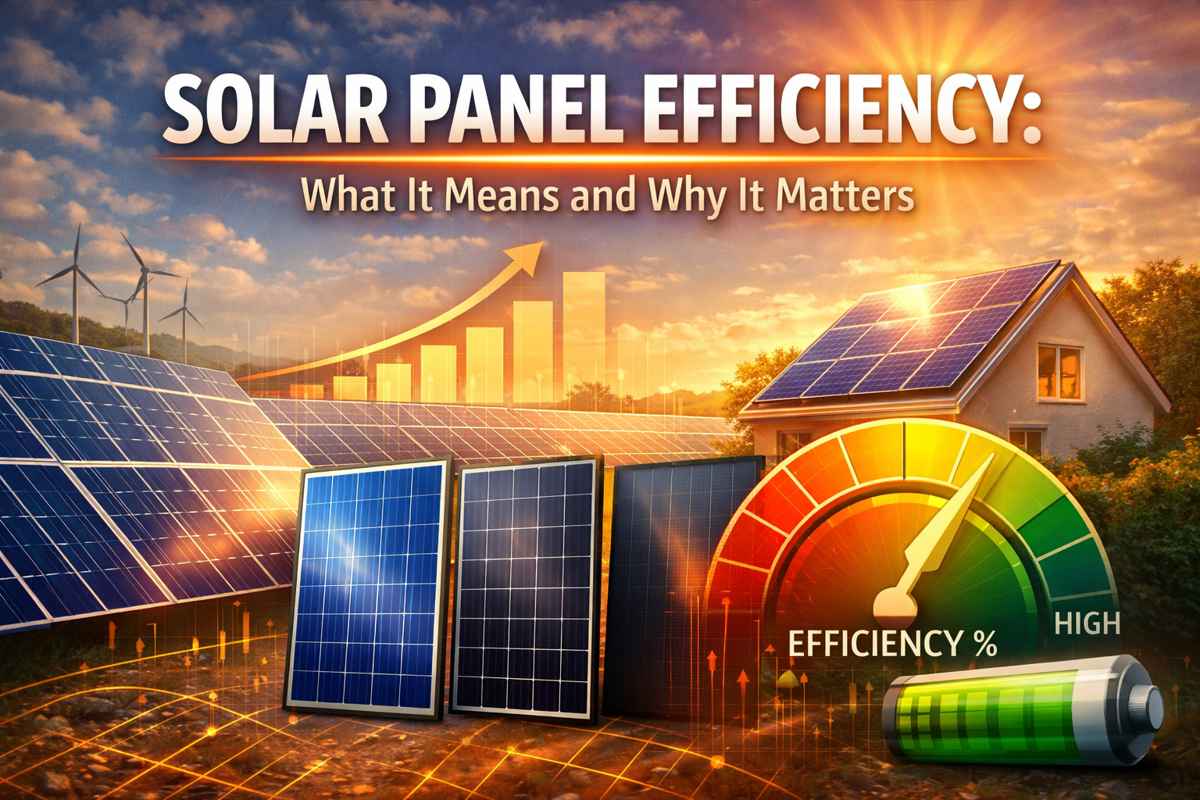
Modern residential systems commonly use high-efficiency monocrystalline solar panels.
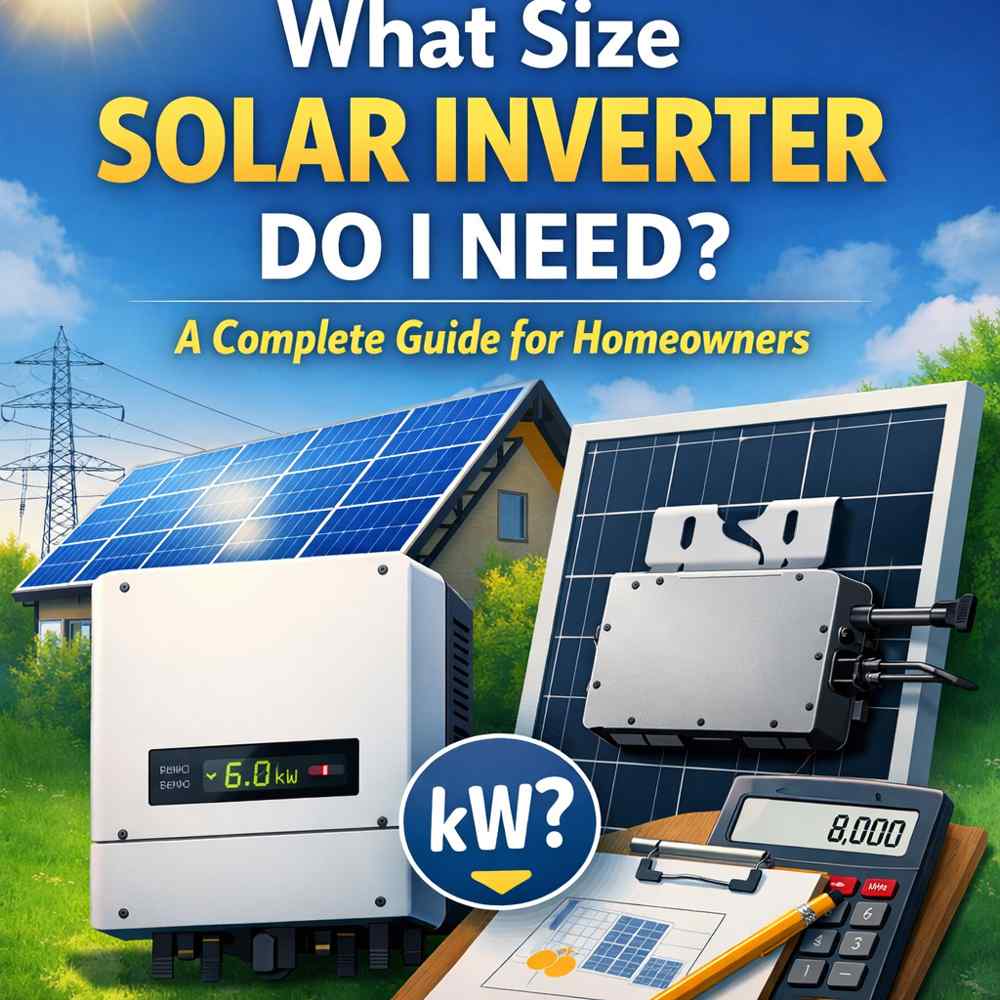
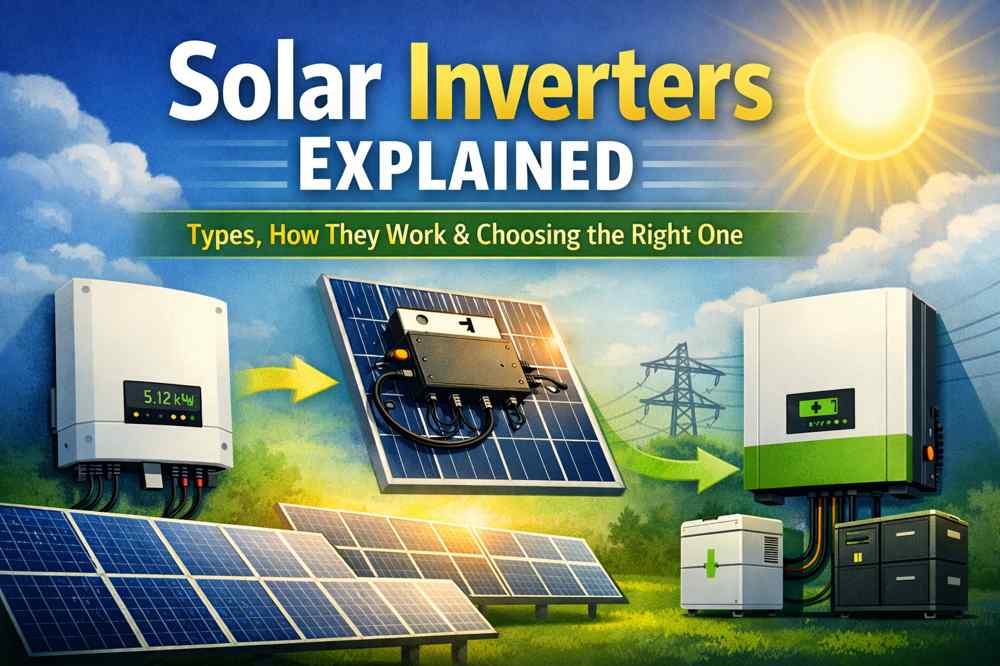
Solar panels generate DC electricity, but homes use alternating current (AC). A solar inverter converts the DC electricity produced by the panels into usable AC electricity for household appliances.
Common inverter options include:
The mounting system secures solar panels to the roof or ground. These systems are engineered to withstand wind loads and environmental conditions.
Roof mounting solutions often include rails, clamps, and flashing components.
Solar systems require several electrical components to connect the panels to the inverter and electrical panel.
Typical components include:
✔ Solar cables
✔ MC4 connectors
✔ Junction boxes
✔ Grounding hardware
These components ensure safe and reliable electrical connections.
Many modern solar systems include monitoring platforms that allow homeowners to track system performance.
Monitoring tools help users:
Monitoring is often integrated with the inverter.
Some solar panel kits include battery storage systems that store excess solar energy for later use.
Solar batteries allow homeowners to:
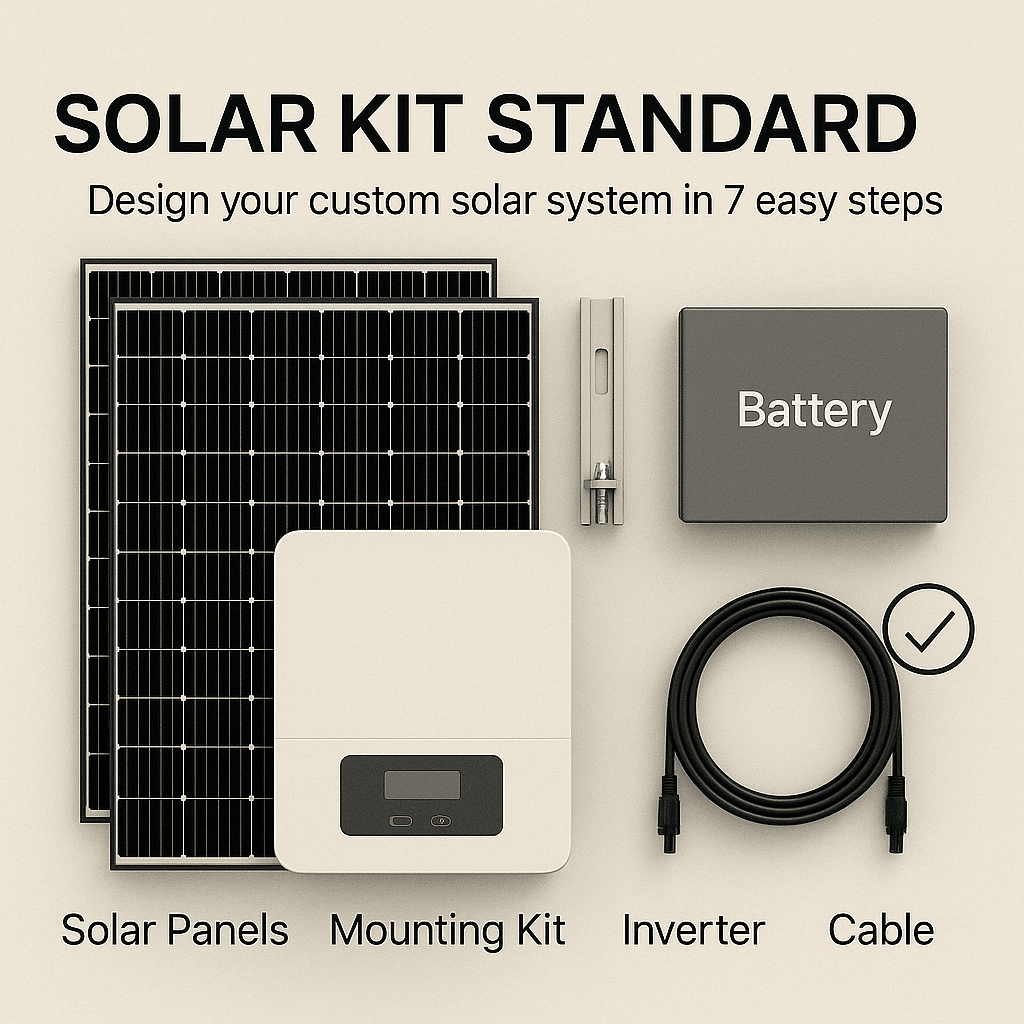
🔆 Standard Solar Kit – Your Custom Solar System in 7 Guided Steps
Design your solar setup with full flexibility and pre-configured mounting: choose solar panels, inverter, battery, mounting kit, wiring essentials, combiner, and accessories – all step by step and fully compatible.
✅ Includes mounting material from K2 Systems for standard layouts
✅ Choose only the components you need
✅ DIY-friendly and pre-checked for compatibility
✅ 🎁 Battery discount included when bundled
Solar kits are available in several configurations depending on how the system interacts with the electric grid.
Understanding these system types helps homeowners choose the right solution.
Grid-tied solar systems are connected to the local electric grid.
These systems allow homeowners to:
Grid-tied systems are the most common residential solar installations in the United States.
Advantages include:
✔ Lower upfront cost
✔ High system efficiency
✔ Eligibility for solar incentives
Off-grid solar systems operate independently from the utility grid. These systems rely on battery storage to supply electricity when solar panels are not producing power.
Off-grid systems are common for:
Because they require large battery banks, off-grid systems are typically more complex and expensive.
Hybrid systems combine grid connection with battery storage.
These systems provide the flexibility of grid-tied solar while also offering backup power during outages.
Hybrid solar systems are becoming increasingly popular as battery technology improves.
Solar panel kits offer several advantages compared to purchasing individual solar components.
Designing a solar system from scratch can be complicated. Solar kits simplify the process by grouping compatible equipment into a single package.
This approach reduces the risk of selecting incompatible components.
Solar panel kits are often used by DIY installers, which can significantly reduce installation costs.
Professional installation is still recommended in some cases, but many homeowners prefer to manage parts of the installation process themselves.
Because the components are pre-selected, solar kits can speed up installation time. Installers do not need to spend as much time sourcing individual parts.
Many solar panel kits allow homeowners to expand their systems later.
For example, additional solar panels or battery storage can often be added as energy needs increase.
Selecting the right solar kit depends on several factors related to your home and energy usage.
Your household electricity usage determines the size of the solar system required.
Homeowners can estimate their energy consumption by reviewing their annual electricity bills.
Average U.S. homes consume roughly 10,000–11,000 kWh per year.
Solar panels require sufficient roof space for installation.
A typical residential solar panel produces around 400–450 watts. A 10 kW solar system may require approximately 25 solar panels.
Roof orientation and shading also influence system performance.
Solar panel kits vary widely in cost depending on system size, equipment quality, and optional battery storage.
Smaller systems may cost a few thousand dollars, while larger residential systems can exceed $20,000 before incentives.
Homeowners must determine whether they want a:
Each configuration has different cost and installation requirements.
The number of solar panels required depends on your electricity consumption and the wattage of the panels used.
For example:
A 10 kW solar system might require approximately:
These estimates vary depending on sunlight conditions and panel efficiency.
Solar installers typically perform detailed calculations to determine the optimal system size.
Solar panel kit prices depend on system size, equipment brand, and installation complexity.
Typical equipment costs for residential systems include:
| System Size | Typical Equipment Cost |
|---|---|
| 5 kW system | $6,000 – $9,000 |
| 10 kW system | $12,000 – $18,000 |
| 15 kW system | $18,000 – $26,000 |
These figures represent equipment costs only and do not include installation.
Federal and state incentives may significantly reduce total system costs.
Many homeowners choose DIY solar panel kits to reduce installation costs.
DIY systems allow property owners to manage parts of the installation process while still purchasing professional-grade equipment.
Advantages of DIY solar kits include:
✔ Lower installation expenses
✔ Greater control over system design
✔ Opportunity to expand the system over time
However, homeowners should always ensure compliance with local electrical codes and permitting requirements.
Choosing the right supplier is an important step when purchasing solar equipment.
A reliable solar equipment supplier should offer:
Many homeowners and installers prefer suppliers that specialize in carefully selected solar components designed to work together efficiently.

Solar panel kits provide a practical and accessible way to install solar energy systems. By combining essential components into a single package, these kits simplify system design and purchasing decisions.
Homeowners can choose from grid-tied, off-grid, or hybrid solar kits depending on their energy goals and property requirements.
As solar technology continues to improve, solar panel kits are becoming one of the most convenient solutions for homeowners and installers looking to adopt renewable energy.
With the right system design and high-quality equipment, solar energy can provide reliable electricity for decades.

Solar panel kits simplify system design by providing compatible components in one package. They are often a convenient option for homeowners and installers.
Many solar panel kits are designed for DIY installation, but homeowners must follow local electrical codes and permitting requirements.
System size depends on your electricity consumption. Many U.S. homes require systems between 5 kW and 10 kW.
Some kits include battery storage, while others are designed as grid-tied systems without batteries.
Most solar panels last 25–30 years, while inverters and batteries may require replacement sooner depending on usage and technology.