As solar energy becomes more mainstream, hybrid inverters are quickly emerging as the heart of modern solar systems. But what exactly are they—and why are so many homeowners and businesses switching to them?
A hybrid inverter combines the functionality of a traditional solar inverter with a battery inverter, allowing you to store excess energy and use it when you need it most. Whether you’re looking to cut electricity costs, gain energy independence, or protect against blackouts, hybrid inverters offer the smartest and most flexible way to power your home or business.
At AceFlex, we offer a curated selection of hybrid inverters designed to seamlessly integrate with solar panels and energy storage systems—helping you take full control of your power.
Hybrid inverters manage multiple energy flows at once: from your solar panels, your battery storage, and the grid. Here’s how it works:
Hybrid inverters include MPPT (Maximum Power Point Tracking) technology, which ensures that your solar system operates at peak efficiency. Many models also come with smart energy monitoring and mobile apps so you can track your power usage in real-time.

Choosing a hybrid inverter gives you far more than just solar conversion—it offers a full energy management solution. Here’s what makes them so valuable:
Energy Independence: Store your own energy and rely less on the utility grid, especially during peak hours or outages.
Increased Self-Consumption: Use more of your own solar power instead of feeding it back to the grid, which often yields lower compensation.
Future-Proof Flexibility: Easily expand your system later with additional batteries or smart home integrations.
Grid Backup: Some hybrid inverters can operate in “island mode,” supplying power during outages—keeping your lights on when others go dark.
Smart Monitoring: Track solar production, battery charge levels, and home consumption—all from one intuitive dashboard.
👉 Read our full guide:
Solar System Monitoring: How It Works & Why It Matters
https://aceflex.us/solar-system-monitoring/
Hybrid inverters are ideal for homeowners who want a reliable, scalable, and intelligent energy solution—especially when paired with a powerful battery system.
Hybrid inverters are incredibly versatile and adapt to a wide range of installation scenarios. Whether you’re a homeowner or a business, there’s a solution tailored to your needs:
Residential Homes with Battery Backup
A hybrid inverter paired with a home battery system enables households to store solar energy and use it during peak hours or power outages. You gain true energy autonomy while lowering electricity bills.
Commercial Buildings with Load Shifting
Businesses with high daytime energy demands can use hybrid inverters to optimize energy usage and avoid peak tariffs by drawing from battery reserves when grid prices spike.
Emergency Power Supply
Live in an area prone to blackouts? Hybrid inverters can switch to backup mode instantly, providing uninterrupted power to critical loads like refrigerators, medical devices, or server rooms.
EV Charging Integration
Some advanced hybrid inverters integrate with EV chargers, allowing you to power your electric vehicle directly from your solar array or battery bank.
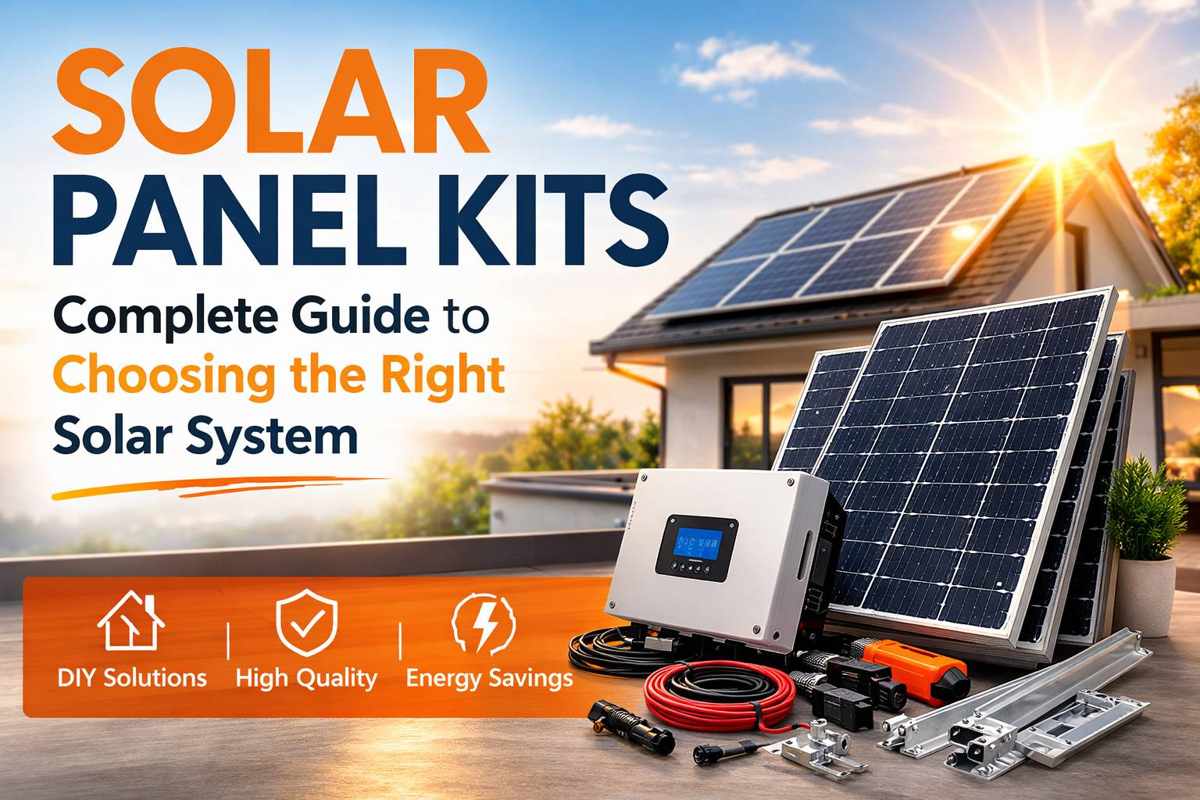
At AceFlex, we offer complete DIY Solar Kits that include hybrid inverters, solar panels, and battery options—ideal for building a custom energy solution that fits your lifestyle.
To understand why hybrid inverters are gaining popularity, it helps to compare them to traditional inverter types. Here’s how they stack up:
| Feature | Hybrid Inverter | String Inverter | Microinverter |
|---|---|---|---|
| Battery Integration | ✅ Built-in support for energy storage | ❌ Not supported (external required) | ❌ Rarely supported |
| Backup Power Capability | ✅ Yes (depending on model) | ❌ No | ❌ No |
| Scalability | ✅ Modular, can expand with storage | ⚠️ Limited (centralized system) | ✅ High (per-panel control) |
| Efficiency in Shaded Areas | ⚠️ Moderate (depends on MPPT design) | ❌ Low (entire string affected) | ✅ High (independent optimization) |
| Cost | ⚠️ Medium to high | ✅ Lower upfront cost | ⚠️ Higher per panel |
| Monitoring | ✅ System-wide + battery monitoring | ⚠️ Limited | ✅ Panel-level |
Hybrid inverters offer the best of both worlds—flexibility, smart battery integration, and future-proof energy control. While string inverters are budget-friendly and microinverters excel in panel-level optimization, hybrid inverters are the top choice if you’re planning to combine solar with storage and want true energy independence.
👉 Read our full comparison:
String Inverter vs. Microinverter: Which Solar Inverter Is Better?
https://aceflex.us/string-inverter-vs-micro-inverter-which-solar-inverter-is-better/
Choosing the right hybrid inverter depends on your system size, energy goals, and budget. Here are three top-performing hybrid inverters available at AceFlex, trusted by professionals and DIYers alike:
A robust and efficient solution tailored for residential solar systems. Designed to integrate seamlessly with battery storage and PV systems, this inverter offers exceptional reliability from a globally trusted brand.
Highlights:

✅ Hybrid functionality for solar production and battery backup (7.6 kW)
✅ Seamless energy transition with fast backup switchover (<30 ms)
✅ Compact single-phase design – ideal for residential PV systems
Combining the power of SolarEdge’s optimization technology with advanced battery capabilities, this hybrid inverter offers outstanding flexibility and real-time system management.
Highlights:

✅ 7600W hybrid inverter for solar energy and battery storage
✅ SolarEdge's advanced monitoring and smart home solutions
✅ Ideal for residential installations
Engineered for high-performance off-grid and grid-tied systems, the Sol-Ark 15kW is a powerhouse ideal for larger homes or small commercial setups. It’s an all-in-one solution—charger, inverter, and load manager combined.
Highlights:

✅ 15 kW hybrid inverter with advanced energy management
✅ Supports both grid-tied and off-grid systems
No matter the size or complexity of your solar project, these hybrid inverters deliver the performance, reliability, and smart energy management you need to get the most out of your investment. And the best part? You can pair any of them with our DIY Solar Kits to build a fully customized system—on your terms.

🔆 Premium Solar Kit – Your Custom Solar System in 7 Guided Steps
Design your solar setup with full flexibility and professional support: choose solar panels, inverter, battery, custom mounting kit, wiring essentials, combiner, and accessories – all step by step and fully compatible.
✅ Includes custom K2 mounting kit with professional layout planning
✅ Personalized K2 Report for your roof and module configuration
✅ DIY-friendly & pre-checked for compatibility
✅ 🎁 Battery discount included when bundled
Installing a hybrid inverter may sound complex, but with the right preparation, it’s a straightforward process—especially if you’re using a modular system like our DIY Solar Kits. Here’s what you should consider before installation:
Before selecting an inverter, calculate your peak and average power demand. A 7.6kW inverter like the Canadian Solar Hybrid is ideal for medium households, while the Sol-Ark 15kW suits larger properties or commercial use.
👉 Read our full guide:
How Do I Calculate How Many Solar Panels I Need?
https://aceflex.us/how-do-i-calculate-how-many-solar-panels-i-need/
Not every battery works with every hybrid inverter. Always check voltage range and communication protocols (e.g., CAN, RS485). Our shop includes verified pairings with batteries like the SolarEdge Energy Bank or Fox ESS systems.
Some inverters are grid-tied only, while others like the Sol-Ark offer full off-grid support. If backup power is important, make sure the inverter supports “island mode” and critical load panels.
Modern hybrid inverters come with app-based monitoring platforms. For example, SolarEdge’s Energy Hub integrates with the mySolarEdge app to provide real-time performance tracking and system control—from anywhere.
Always check whether you need a single-phase or three-phase inverter. Most residential homes in the U.S. use single-phase systems, while some commercial setups require three-phase.
All our DIY Solar Kits are designed to work seamlessly with hybrid inverters. We also provide recommendations for mounting equipment, wiring essentials, and battery pairings to simplify your project from start to finish.

A hybrid inverter converts direct current (DC) electricity from your solar panels into alternating current (AC) for your home, while also managing energy storage. It balances power from your solar array, battery bank, and the utility grid to maximize efficiency.
Yes, hybrid inverters can operate without batteries. In this setup, they function like standard grid-tied inverters by feeding excess solar power into the grid. However, adding a battery allows you to store energy and gain backup power capabilities.
Hybrid inverters typically cost more than standard inverters because they offer advanced features such as battery integration, energy monitoring, and backup support. Over time, they can lead to significant savings by increasing solar self-consumption and reducing grid reliance.
Only if a battery is connected and the inverter supports backup functionality. Some hybrid inverters are grid-dependent and will shut down during outages. Models like the Sol-Ark 15kW and SolarEdge Energy Hub are designed to provide reliable power even when the grid is down.
Most hybrid inverters are designed to last 10 to 15 years, with warranties typically ranging from 10 to 12 years. Quality models from reputable brands often include remote diagnostics and monitoring to help maintain long-term performance.
Hybrid inverters centralize power conversion and manage battery storage, making them ideal for full-home systems. Microinverters, on the other hand, are installed on individual solar panels and optimize power output on a per-panel basis. Microinverters are well-suited for shaded or irregular roofs.
Yes. Most hybrid inverters offer mobile apps that allow you to monitor real-time solar production, battery levels, energy usage, and system alerts. These features provide better control and transparency over your energy system.
While most panels are technically compatible, it’s important to match the voltage and current specifications of the panel array with the inverter’s input range. At AceFlex, our DIY Solar Kits are pre-configured to ensure full compatibility with hybrid inverters.