Switching to a home solar system 2026 is no longer a trend — it’s a smart investment. As energy prices rise and sustainability becomes more urgent, many homeowners are turning to solar. But why is solar power so attractive, and how exactly does it benefit you? Let’s explore the main reasons why 2025 is the perfect time to make the switch.

A home solar system converts sunlight into usable electricity through solar panels installed on your roof or property. These panels connect to an inverter that changes DC power into AC power, the type your home appliances use. When your system produces more energy than you consume, the excess can be stored in a battery or fed back into the grid for credit.
Even though the system seems complex, it works quietly and efficiently in the background. And because it requires little maintenance, homeowners can enjoy decades of clean power with minimal effort.
Electricity prices have risen sharply over the past few years. However, a solar system shields you from future rate increases. You generate your own electricity and therefore depend less on your utility provider.
The solar industry is growing faster than ever. Because technology keeps improving, today’s panels are more efficient and cheaper than those from only a few years ago. Additionally, governments are increasing their support for renewable energy as part of climate goals.
Although some subsidies are being reduced, the cost decline in equipment still makes 2025 an excellent year to invest. And since energy independence is becoming a major priority, solar power gives you more control over your own energy future.

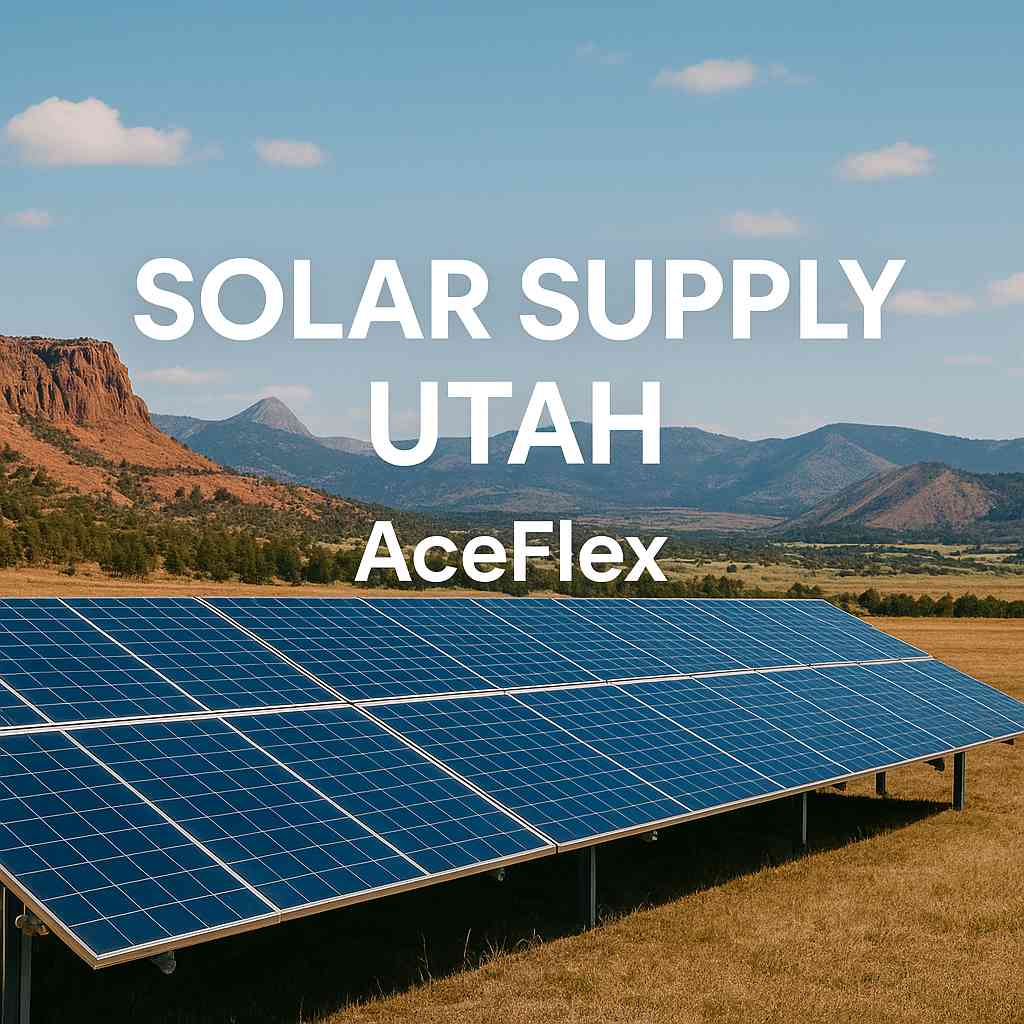
✅ 590W premium solar module
✅ Durable silver frame
✅ Engineered for consistent performance
Switching to solar is one of the most impactful actions you can take for the environment. Because solar power produces zero emissions, it helps fight climate change while protecting the planet for future generations.
Even a small residential system can offset several tons of CO₂ each year. That’s equivalent to planting over 100 trees annually. And since solar panels last for 25 years or more, your positive impact continues for decades.

Although generating your own electricity is great, storing it makes it even better. A solar battery allows you to use your stored power at night or during cloudy days. Therefore, you maximize self-consumption and reduce dependence on the grid.
Battery technology has improved drastically. Modern lithium-ion storage systems are safer, more compact, and more affordable. They work seamlessly with inverters and smart monitoring apps, allowing you to track your performance in real time.
☀️ Sunlight
   ↓
[ Solar Panels ] → [ Inverter ] → [ Home Appliances ]
                           ↓
                     [ Battery Storage ]
                           ↓
                       [ Grid Export ]

As you can see, the process is simple but effective. Every ray of sunlight becomes a source of power for your home.
In most cases, yes. Even though roof orientation and shading can influence performance, modern systems adapt well to many conditions. And with microinverters and optimizers, you can still generate power even if part of your roof is shaded.
However, you should always start with a professional site analysis. This ensures that your roof size, angle, and direction match your energy needs.
At AceFlex, we specialize in customized home solar systems for every type of property. We not only offer high-performance modules and efficient storage solutions but also provide complete system design — all from a single source.
Contact AceFlex.us today for your free solar consultation and find out how much you can save with a home solar system tailored to your needs.

A home solar system 2026 is more than a technical upgrade — it’s a long-term investment in independence, sustainability, and financial security. Because solar energy reduces your bills, cuts emissions, and increases your home’s value, it’s one of the smartest choices you can make in 2025.
The sun rises every day — so why not use it to power your life? ☀️

The average cost of a home solar system in the USA ranges between 15,000 and 25,000 dollars after tax credits. However, prices vary because every home’s energy demand and roof size are different.
The 20% rule refers to the efficiency rating of solar panels, meaning they convert about 20% of sunlight into electricity. Because higher efficiency panels produce more power from the same space, they’re ideal for smaller roofs.
An average American home usually needs a 6 to 10 kW system to cover its electricity needs. Yet, the exact size depends on your location, sunlight hours, and daily energy use.
Yes, you can run a 1.5 ton air conditioner on solar, but you’ll need enough panels and battery storage. Because AC units consume lots of power, a properly sized system is essential for smooth operation.
No, such efficiency doesn’t exist yet because of the physical limits of solar cell materials. Even though modern panels reach up to 23%, researchers are constantly improving the technology.
A 10 kW solar system can typically run two to three 1.5 ton AC units, depending on sunlight and usage hours. However, adding a battery ensures stable performance during cloudy conditions or at night.
That depends on your goal. If you want to lower your bills, more panels are better; but if you need backup power or energy independence, more batteries make sense.
Yes, some large-scale commercial panels reach around 1000 watts. However, they’re mostly used in industrial or utility projects, not in standard home installations.
In most cases, yes — a 10 kW solar system easily powers a medium to large home. Yet, the actual sufficiency depends on your household’s energy habits and local sunlight conditions.
A 15 kWh solar battery can power an average household for 10 to 12 hours, depending on consumption. When combined with solar panels, it can even last through the night.
You’ll need around 25 to 30 panels rated at 400 watts each. However, the exact number changes with sunlight hours and system efficiency.
An average U.S. household uses about 30 kWh per day. Still, this varies widely depending on appliances, heating, and regional climate.
Heating and cooling systems usually consume the most energy. Yet, old refrigerators, dryers, and water heaters also add significantly to your power bill.
A modern LED TV costs about 0.10 to 0.20 dollars to run for 8 hours. Because newer models are energy-efficient, they use far less power than older ones.
A 2000 sq. ft. house generally uses around 4,000 to 6,000 watts per hour during peak times. However, that can rise quickly if multiple large appliances run simultaneously.
Most systems last 25 to 30 years, although some components, like inverters, may need replacement earlier. Because maintenance is minimal, the lifespan remains impressively long.
Yes, they still generate power, though with reduced efficiency. Because indirect sunlight still contains energy, you can expect around 10–25% of normal output on cloudy days.
Technically yes, but professional installation ensures safety, efficiency, and compliance with local regulations. Therefore, hiring certified experts is strongly recommended.
Yes, studies show homes with solar sell faster and at higher prices. Because buyers value lower electricity costs, solar systems often provide a strong resale advantage.
They need very little — usually just cleaning the panels a few times a year. Since there are no moving parts, wear and tear are minimal.
Only if you have a battery storage system or a hybrid inverter. Otherwise, grid-tied systems automatically shut off during outages for safety reasons.
Most homeowners save 50–80% on electricity bills each year. And because solar energy offsets rising power costs, your long-term savings continue to grow.