The Georgia State Go Solar movement is gaining incredible momentum — and for good reason. With over 200 sunny days per year, Georgia offers one of the best environments in the U.S. for producing clean, affordable solar energy. As electricity prices rise and sustainability becomes a household priority, more homeowners are switching to solar to cut costs and reduce their carbon footprint.
By going solar, you can lock in predictable energy costs and gain independence from fluctuating utility rates. Whether you’re a homeowner looking to power your property efficiently or a business aiming to lower operational expenses, solar energy in Georgia delivers long-term value.
Georgia has quickly become a leader in solar energy production in the Southeast. The state ranks among the top 10 in total solar capacity, with thousands of homes and businesses generating clean power every day.
While large utility-scale solar farms make up most of the capacity, the residential market is growing fast. Homeowners are realizing that rooftop solar offers both independence and long-term financial benefits.
| Category | Georgia | U.S. Average |
|---|---|---|
| Total Solar Capacity (MW) | 5,600 MW | 4,000 MW |
| National Rank | #9 | — |
| Solar Homes Installed | 160,000+ | 125,000 |
| Average Cost per Watt | $2.60 | $2.85 |
| Annual Sun Hours | 2,900 hrs | 2,650 hrs |
| Projected Growth (Next 5 Years) | +85% | +70% |
*Source: SEIA & EIA data, 2025 estimates
Although Georgia doesn’t have a statewide solar tax credit, there are several programs that make solar more affordable:
(For more details on nationwide incentives, check our blog post on the Federal ITC.)
This post references the former 30% Federal Solar Tax Credit. For current rules and guidance on solar after the federal tax credit , please read our updated overview.
Solar panel prices in Georgia have dropped by more than 40% over the past decade. On average, homeowners pay $2.50 to $3.25 per watt, meaning a 6 kW system typically costs between $15,000 and $19,500 before incentives.
After applying the 30% federal tax credit, the total can drop to around $10,500–$13,500, depending on equipment and installation costs.

Georgia homeowners have much to gain from embracing solar energy. With abundant sunshine and supportive federal incentives, the benefits go far beyond simple cost savings:
Whether you’re upgrading an existing system or starting from scratch, solar power gives you control over your energy future — and Georgia’s climate makes it easier than ever to succeed.
At AceFlex, we specialize in DIY Solar Kits that allow you to customize your own system based on your home’s energy needs. You can choose between:
These kits are perfect for Georgia homeowners who want professional-grade performance at a fraction of the price. By handling part of the installation yourself, you can enjoy maximum savings without compromising on quality.
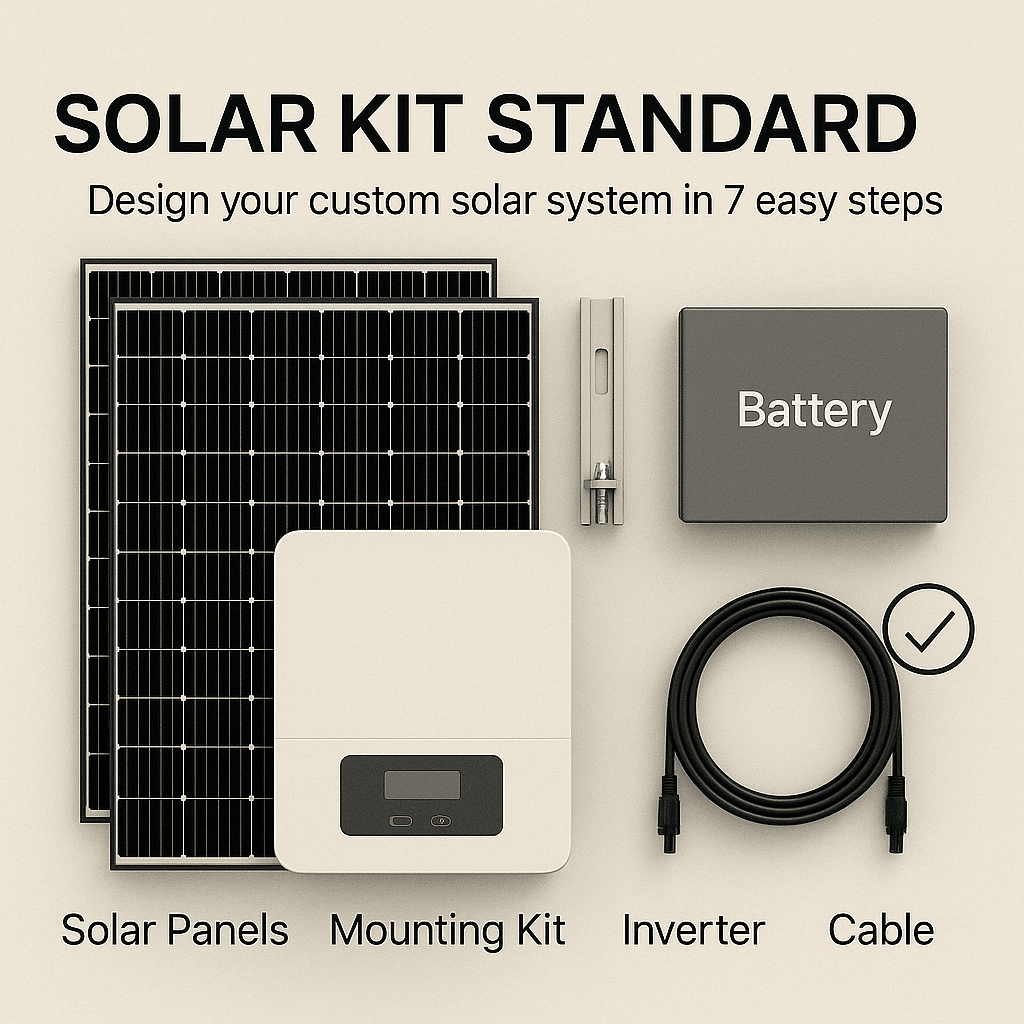
🔆 Standard Solar Kit – Your Custom Solar System in 7 Guided Steps
Design your solar setup with full flexibility and pre-configured mounting: choose solar panels, inverter, battery, mounting kit, wiring essentials, combiner, and accessories – all step by step and fully compatible.
✅ Includes mounting material from K2 Systems for standard layouts
✅ Choose only the components you need
✅ DIY-friendly and pre-checked for compatibility
✅ 🎁 Battery discount included when bundled
Here’s a simple plan to start your solar journey in Georgia:
Georgia’s solar future looks bright. The state’s solar capacity is expected to double by 2030, thanks to lower equipment costs and increased consumer demand.
As battery storage and smart inverters become more affordable, homeowners will have even greater control over how they generate and use their energy.
For Georgia residents, now is the perfect time to make the switch — before incentives decline and electricity costs climb further.

Solar power is transforming Georgia’s energy landscape. With abundant sunshine, growing incentive programs, and falling equipment costs, going solar has never been more practical.
If you’re ready to take the next step, explore our DIY Solar Kits at AceFlex and start building your sustainable energy future today.

Absolutely. Georgia has abundant sunlight and some of the lowest installation costs in the country, making solar energy a smart investment. Most homeowners recover their initial costs within 8–10 years and then enjoy decades of free electricity. The Georgia State Go Solar trend continues to grow as more families realize the financial and environmental benefits.
The average cost of a solar system in Georgia ranges between $15,000 and $19,500 before incentives. After applying the 30% federal solar tax credit, that amount can drop to roughly $10,000–$13,000. Choosing a DIY Solar Kit from AceFlex can further lower costs by removing expensive labor fees.
While Georgia does not have a state-level tax credit, residents can take advantage of the federal 30% Solar Investment Tax Credit (ITC). Some local utilities also offer rebates or net metering programs that pay you for excess energy sent back to the grid.
Yes. Homeowners across the state are successfully installing systems themselves using AceFlex DIY Solar Kits. Our pre-configured kits make the process simple, affordable, and compliant with local regulations. Joining the Georgia State Go Solar movement has never been easier for do-it-yourself homeowners.
Most modern solar panels last between 25 and 30 years, maintaining around 80% of their original output over time. Georgia’s mild winters and sunny climate make it ideal for long-lasting solar performance.
Solar panels are designed to withstand harsh weather, including heavy rain, wind, and hail. When properly mounted, they perform reliably year-round — even through Georgia’s summer storms.
Yes. With a properly sized system and efficient appliances, solar can cover 100% of your home’s electricity needs. Many homeowners add battery storage to maintain power even during outages.
Falling equipment prices, rising energy costs, and increased environmental awareness are driving Georgia’s solar boom. Homeowners are realizing that solar isn’t just sustainable — it’s a long-term investment in energy independence and property value.